
Blood count and clotting tests at Tamara Hospital, Rajajinagar
Quick answer: Tests on blood cells and clotting: the complete blood count, blood group, ESR, clotting times and tests for anaemia, malaria and inherited blood disorders. This page explains all 58 of them.
- Blood 55
- Body fluid or spinal fluid 2
- A package of tests 1
A
Absolute eosinophil count (AEC)
Also called AEC, eosinophil count
This test counts the number of eosinophils, a type of white blood cell linked to allergy and parasites, in your blood.
Full details →Absolute neutrophil count (ANC)
Also called ANC, neutrophil count
This test measures the number of neutrophils, the white blood cells that fight bacterial infection, in your blood.
Full details →Antithrombin III test
Also called antithrombin III, AT III, antithrombin activity
This test measures antithrombin, a natural protein that stops blood from clotting too much, as its activity or its amount.
Full details 2 options →APTT (activated partial thromboplastin time)
Also called APTT, PTT, aPTT test
The APTT test measures how long it takes your blood plasma to clot, checking one set of clotting factors.
Full details →B
Bleeding time and clotting time (BT, CT)
Also called BT CT, bleeding time, clotting time
Bleeding time measures how long a small skin prick takes to stop bleeding, and clotting time measures how long blood takes to clot in a tube.
Full details 3 options →Blood group test (ABO and Rh typing)Fertility
Also called blood type test, ABO Rh, blood grouping, Rh factor test
A blood group test finds your ABO group (A, B, AB or O) and whether you are Rh (D) positive or negative.
Full details →Body fluid cell count (TC, DC)
Also called CSF cell count, fluid TC DC, fluid cytology count
This test counts the total white cells (TC) and the types of white cells (DC) in a body fluid such as spinal, joint, chest or belly fluid.
Full details 2 options →Bone marrow study
Also called bone marrow aspiration, bone marrow biopsy, BM study
A bone marrow study examines a sample of marrow, the soft tissue inside bones where blood cells are made, under a microscope.
Full details →C
CD4 and CD8 count
Also called CD4 count, CD8 count, CD4/CD8 ratio, T cell count
This test counts CD4 and CD8 cells, two types of T lymphocytes that are central to the immune system.
Full details 2 options →Coagulation profile
Also called clotting profile, coag profile, PT APTT, bleeding and clotting tests
A coagulation profile is a group of tests, such as PT/INR and APTT, that checks how well your blood clots.
Full details 2 options →Complete blood count (CBC, complete haemogram)
Also called CBC, complete haemogram, CBP, full blood count
A complete blood count measures your red blood cells, haemoglobin, white blood cells and platelets.
Full details 2 options →D
Direct Coombs test (DCT)
Also called DCT, direct antiglobulin test, DAT
The direct Coombs test checks whether antibodies are stuck to the surface of your red blood cells.
Full details →E
ESR (erythrocyte sedimentation rate)
Also called ESR, sed rate, sedimentation rate
The ESR measures how fast red blood cells settle at the bottom of a tube, which rises when there is inflammation in the body.
Full details →F
Factor IX assay
Also called factor 9 assay, FIX, haemophilia B test
This test measures the activity of factor IX, a clotting protein that is low in haemophilia B.
Full details →Factor V Leiden mutation test
Also called FVL test, factor V Leiden, thrombophilia gene test
This genetic test checks for factor V Leiden, an inherited change that makes blood more likely to clot.
Full details →Factor VIII activity test
Also called factor 8 assay, FVIII, haemophilia A test
This test measures the activity of factor VIII, a clotting protein that is low in haemophilia A.
Full details →Factor XIII test
Also called factor 13, FXIII, fibrin stabilising factor
This test measures factor XIII, a protein that strengthens and stabilises a blood clot.
Full details →Foetal haemoglobin (HbF) test
Also called HbF, fetal hemoglobin
This test measures foetal haemoglobin (HbF), the main type of haemoglobin before birth, which is normally very low in adults.
Full details →H
Haemoglobin (Hb) test
Also called Hb, hemoglobin, Hb test, anaemia test
A haemoglobin test measures the amount of haemoglobin, the protein in red blood cells that carries oxygen.
Full details →Haemoglobin and blood group (Hb, blood group)Fertility
Also called Hb and blood group
This combined test measures haemoglobin and finds your ABO and Rh blood group.
Full details →Haemoglobin and PCV (Hb, haematocrit)
Also called Hb PCV, Hb and haematocrit
This combined test measures haemoglobin and packed cell volume (haematocrit), the share of blood made up of red cells.
Full details →Haemoglobin electrophoresis (thalassaemia test)
Also called Hb electrophoresis, HPLC for thalassaemia, thalassaemia screening, Hb variant test
This test separates the types of haemoglobin in your blood to find abnormal forms, such as those in thalassaemia and sickle cell disease.
Full details →Haemoglobin, bleeding time and clotting time (Hb, BT, CT)
Also called Hb BT CT
This combined test measures haemoglobin along with bleeding time and clotting time.
Full details →Haemoglobin, TC, DC and ESR
Also called Hb TC DC ESR, basic blood test
This combined test measures haemoglobin, total white cell count (TC), the types of white cells (DC) and ESR.
Full details →I
Indirect Coombs test (ICT)
Also called ICT, indirect antiglobulin test, antibody screen, IAT
The indirect Coombs test checks your blood plasma for antibodies that could attack red blood cells, such as anti-D.
Full details →L
LE cell test
Also called lupus erythematosus cell test, LE cell
The LE cell test looks under a microscope for a type of white cell that is seen in lupus (systemic lupus erythematosus).
Full details →Lymphocyte count
Also called ALC, absolute lymphocyte count, lymphocytes
This test measures lymphocytes, white blood cells that help fight viruses and make antibodies, either as a number or as a share of all white cells.
Full details 2 options →M
Malaria parasite test (smear and QBC)
Also called MP test, malaria smear, QBC for MP, peripheral smear for malaria
This test looks for malaria parasites in a stained blood sample under a microscope, using a standard smear or the QBC method.
Full details 2 options →Microfilaria (filaria) blood test
Also called filaria test, MF smear, QBC for MF, night blood smear
This test looks for microfilariae, the young worms of filaria (lymphatic filariasis), in blood using a smear or the QBC method.
Full details 3 options →O
Osmotic fragility test
Also called OFT, red cell fragility test
This test checks how easily your red blood cells burst when placed in weaker salt solutions.
Full details →P
PCV (haematocrit) test
Also called PCV, haematocrit, HCT, packed cell volume
The PCV or haematocrit measures the share of your blood that is made up of red blood cells.
Full details →Peripheral blood smear examination
Also called PS, peripheral smear, blood smear, PBS
A peripheral smear is a thin layer of blood on a glass slide, stained and examined under a microscope to look at the shape and type of blood cells.
Full details →Platelet count
Also called PLT count, platelets test, thrombocyte count
A platelet count measures the number of platelets, the cells that help blood clot, in your blood.
Full details →Platelet indices (MPV, PDW, P-LCR)
Also called MPV, PDW, PLCR, mean platelet volume
Platelet indices describe the size of your platelets and how much their size varies.
Full details 3 options →Prothrombin time (PT/INR)
Also called PT, INR, PT INR, pro time
The prothrombin time measures how long your blood takes to clot, and is often reported as an INR.
Full details →R
Red blood cell (RBC) count
Also called RBC count, erythrocyte count, red cell count
This test counts the number of red blood cells, which carry oxygen, in your blood.
Full details →Red cell indices (MCV, MCH, MCHC, RDW)
Also called MCV, MCH, MCHC, RDW
Red cell indices describe the size (MCV), haemoglobin content (MCH, MCHC) and size variation (RDW) of your red blood cells.
Full details 5 options →Reticulocyte count
Also called retic count, reticulocytes
A reticulocyte count measures young red blood cells, which shows how actively your bone marrow is making new red cells.
Full details →S
Sickling test
Also called sickle cell test, sickle cell screening, sickling slide test
A sickling test checks whether your red blood cells change into a sickle shape, a sign of sickle haemoglobin.
Full details →W
White blood cell count (TC and DC)
Also called WBC count, TC DC, total count, differential count
This test measures the total number of white blood cells (TC) and the share of each type, such as neutrophils and lymphocytes (DC).
Full details 2 options →No test matches. Try a shorter word, or search all departments.
Other departments
Tamara Hospital & IVF Centre, Rajajinagar
34/3, 10th Cross Road, opp. Vardhaka Sardar Patel School, 1st N Block, 2nd Stage, Rajajinagar, Bengaluru 560010
The hospital is open 24 hours. Call before you come to check the timing for your scan or sample collection.
Get directions ↗IVF Pulse fertility care at Tamara Hospital →
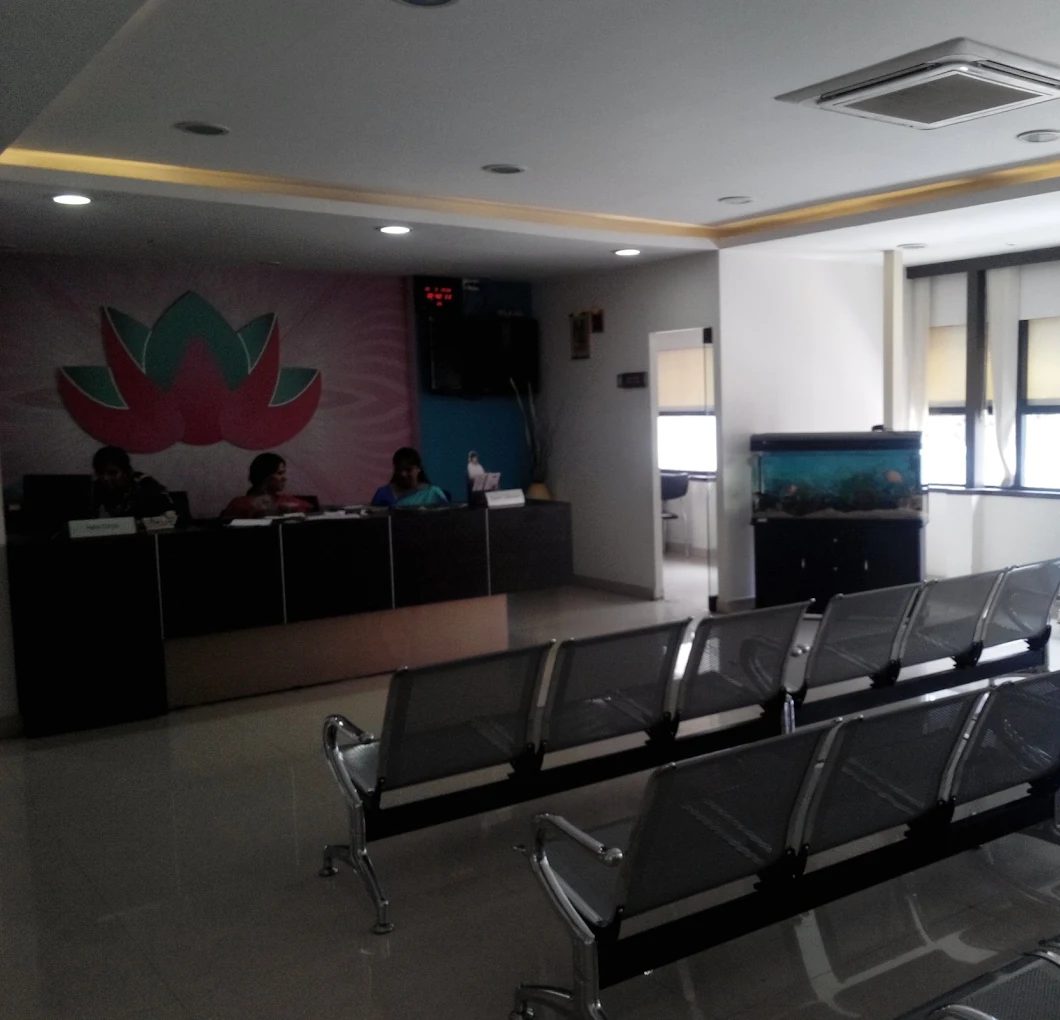 Reception
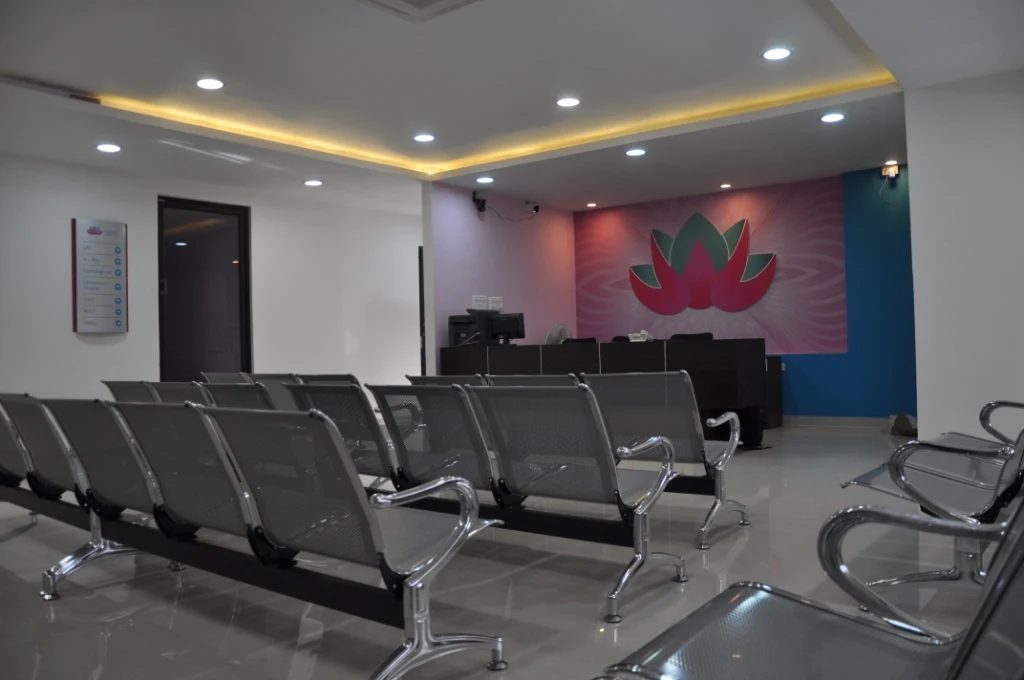 Waiting area
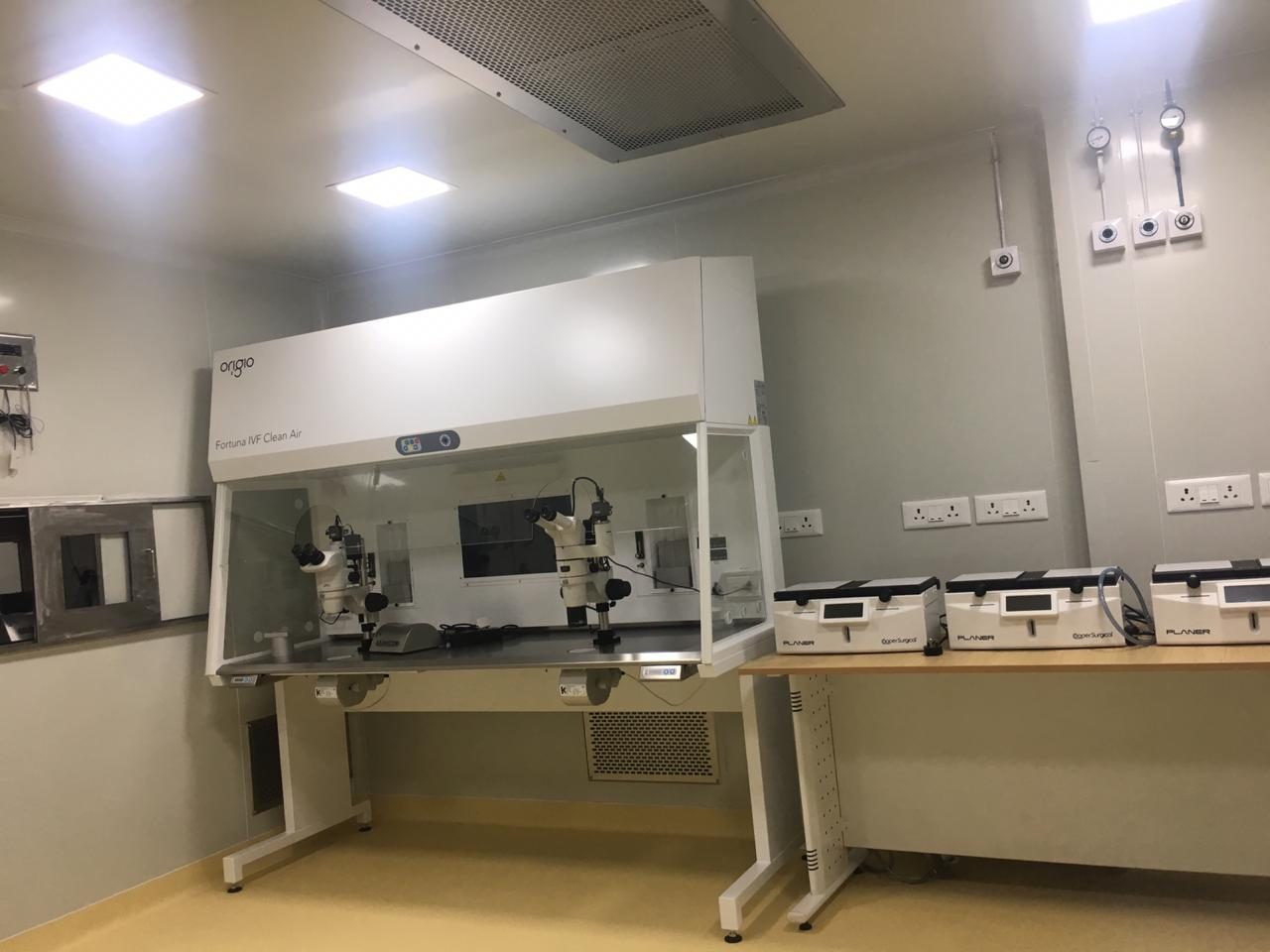 IVF lab
This page explains each test in general terms so you know what to expect. It is not medical advice: your doctor decides which tests you need and what your results mean. Reference ranges differ between laboratories. Updated 4 November 2026.