
Fertility treatments, clearly explained
Plain-language guides to every step of fertility care, from the first tests to IVF, donor programmes and fertility preservation. Each guide covers who it helps, what happens, the risks and what decides success, with sources.
Treatments
Lab techniques and add-ons
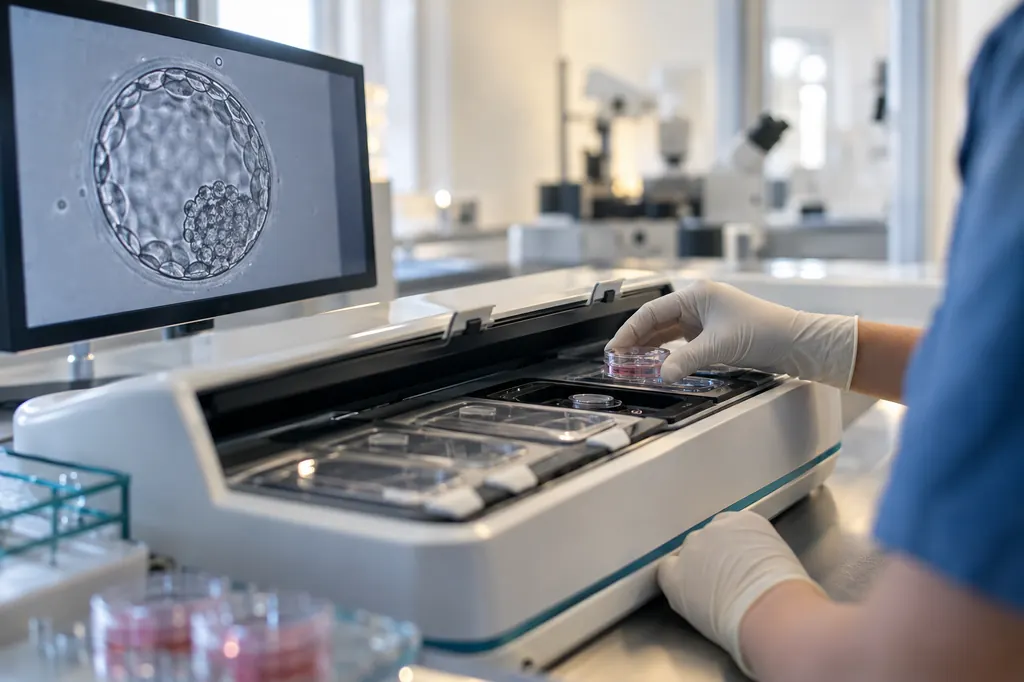
Embryos can be transferred on day 2–3 or grown in the lab to day 5–6, when they are called blastocysts.
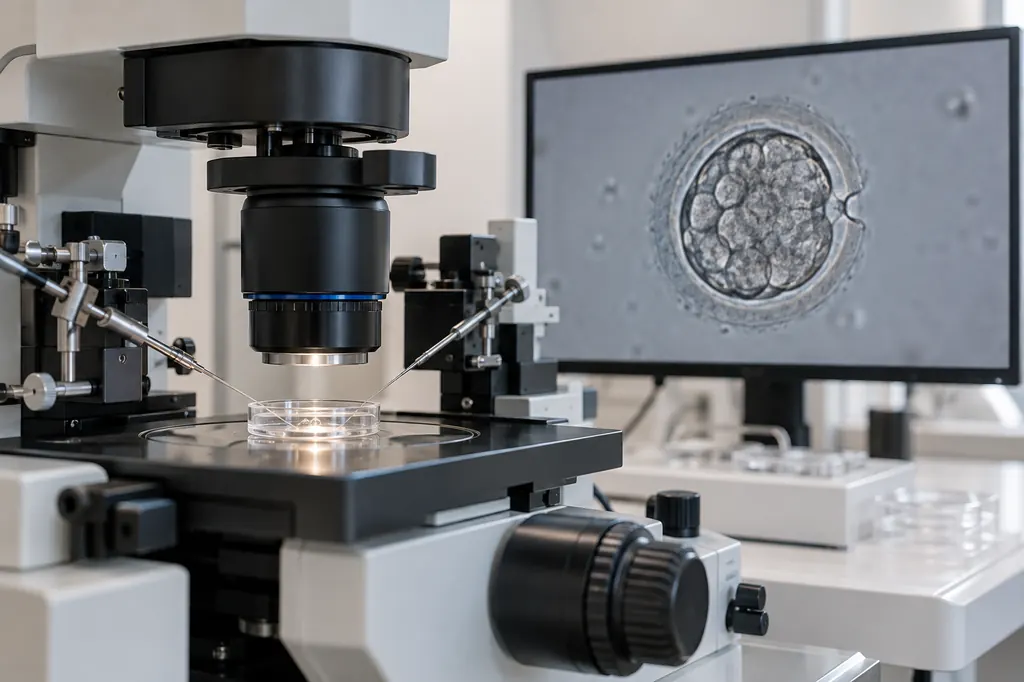
Before an embryo can implant it must 'hatch' out of its outer shell, the zona pellucida.
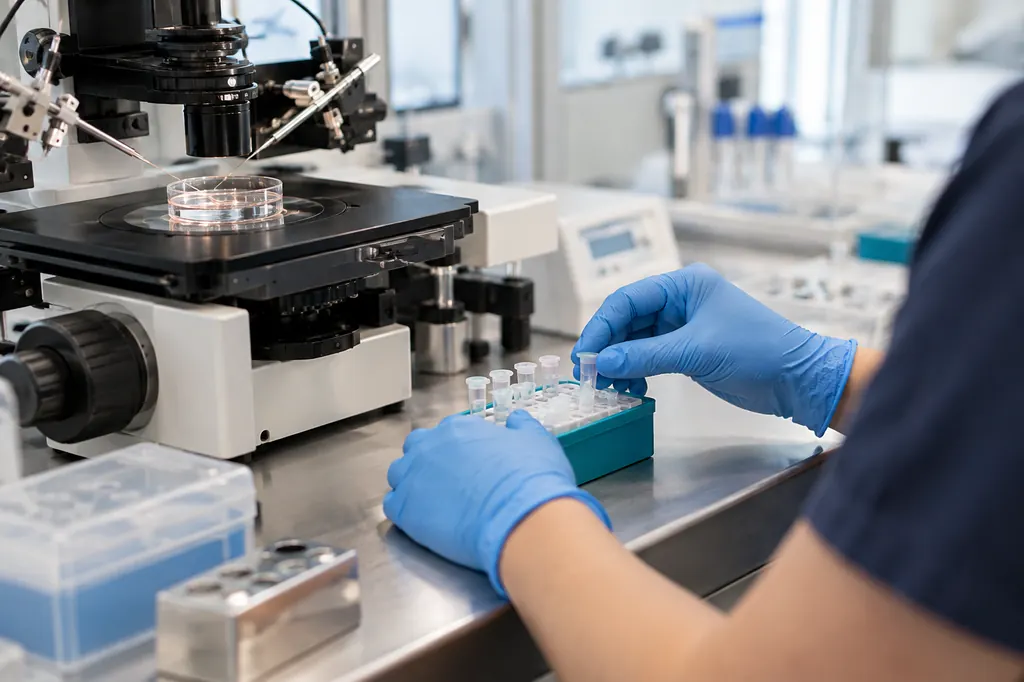
PGT-A checks a few cells taken from a day-5 embryo for missing or extra chromosomes.
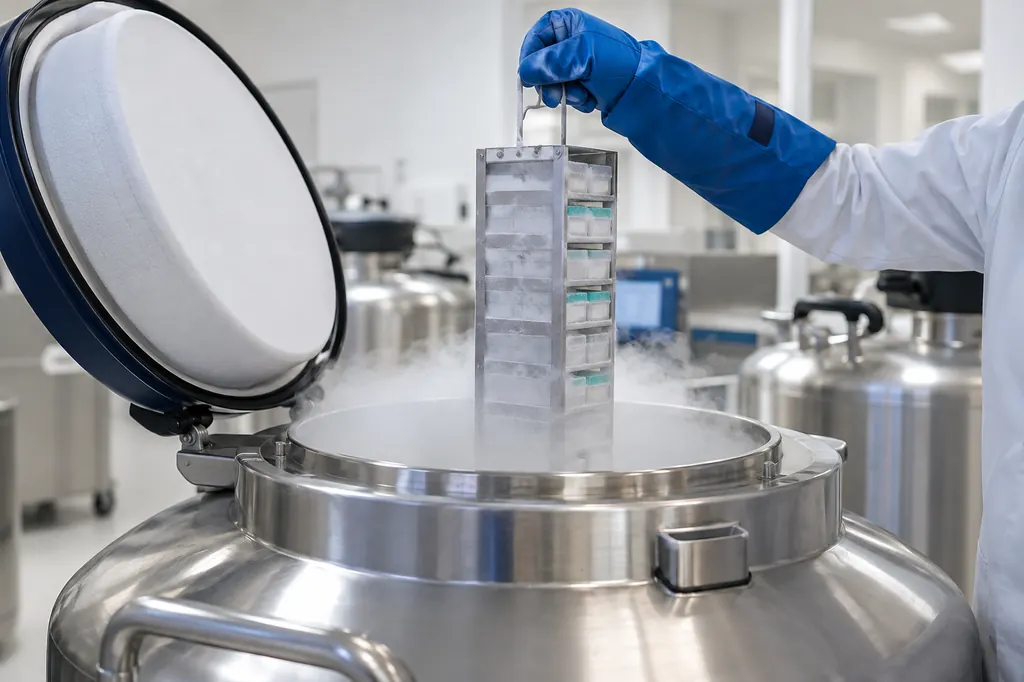
Cryopreservation stores embryos, eggs or sperm in liquid nitrogen at about –196 °C.
Fertility preservation and donor programmes
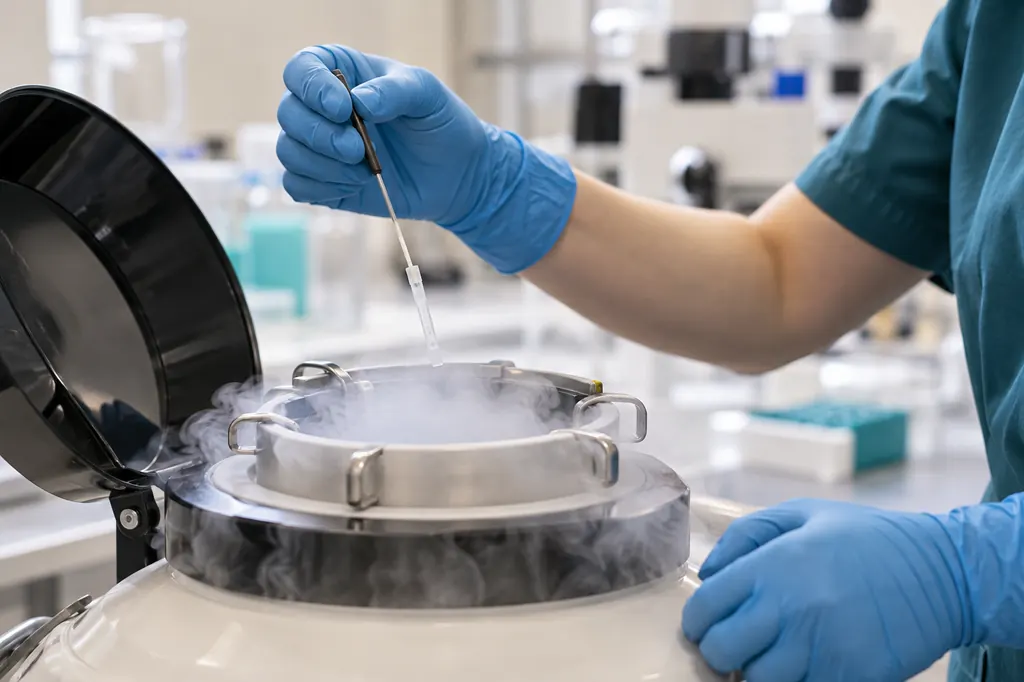
Egg freezing stores your eggs at the age you freeze them.

In donor egg IVF, eggs from a screened donor are fertilised with your partner's sperm and the embryo is placed in your uterus.
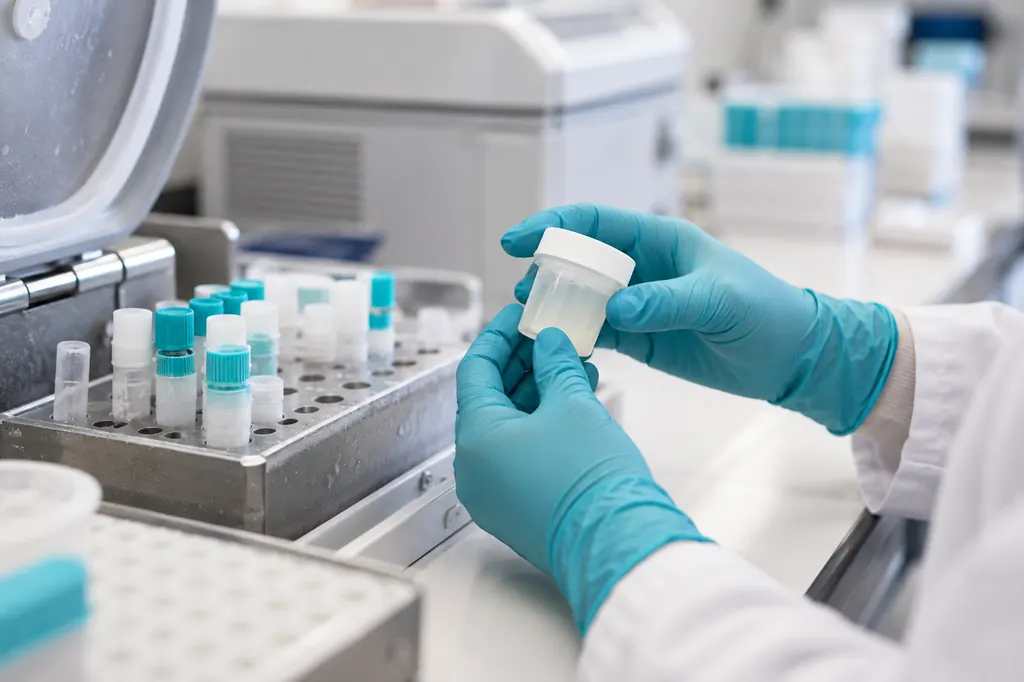
Donor sperm comes from a screened, anonymous donor through a registered ART bank.
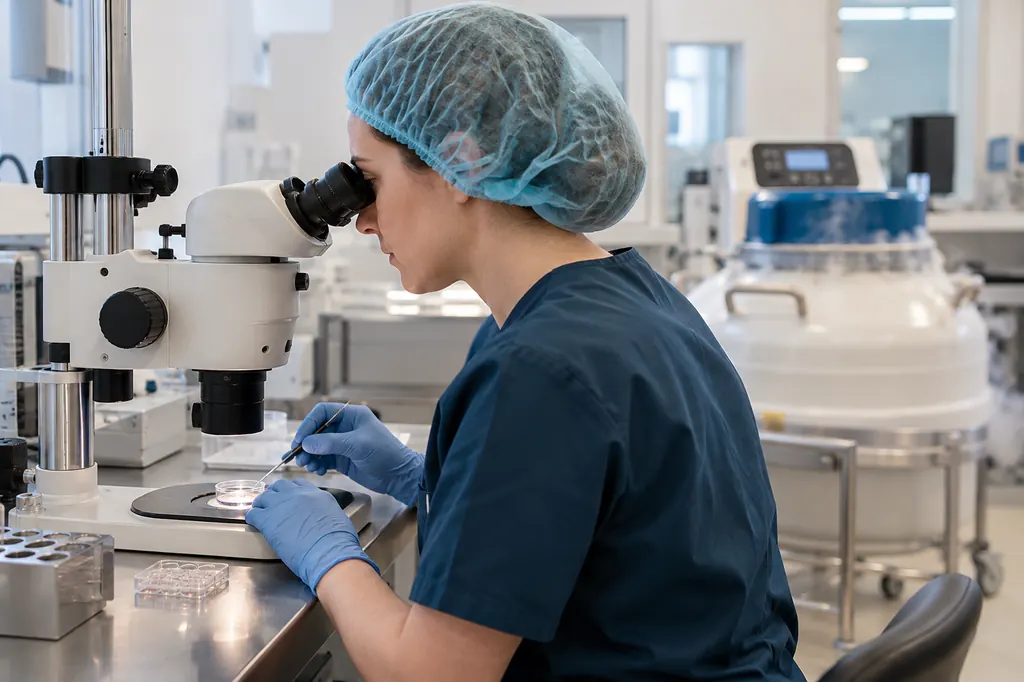
Why donating embryos to another couple is not permitted in India, and the options that remain.
Tests and procedures
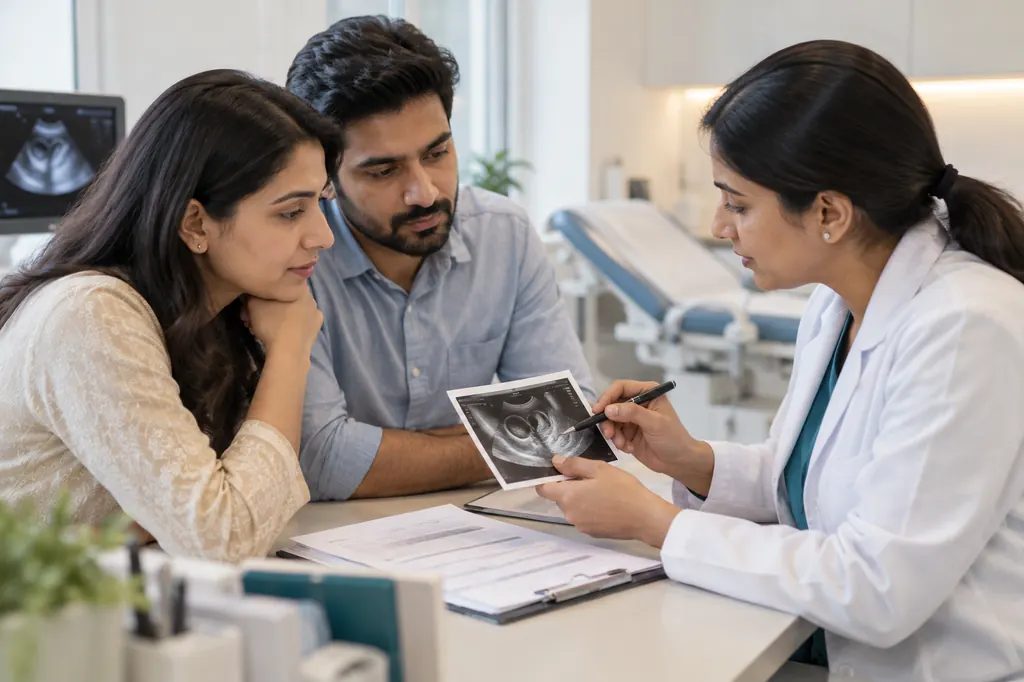
A fertility workup checks the main things needed for pregnancy: ovulation and egg reserve, open fallopian tubes, a healthy uterus, and sperm.
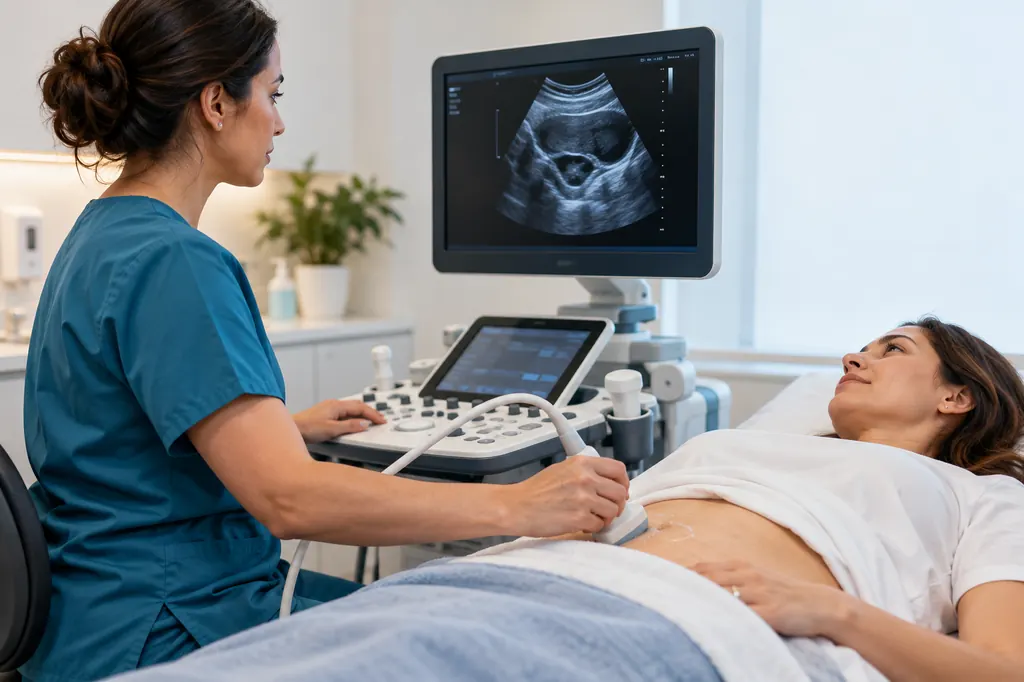
Ultrasound is used at almost every stage of fertility care.
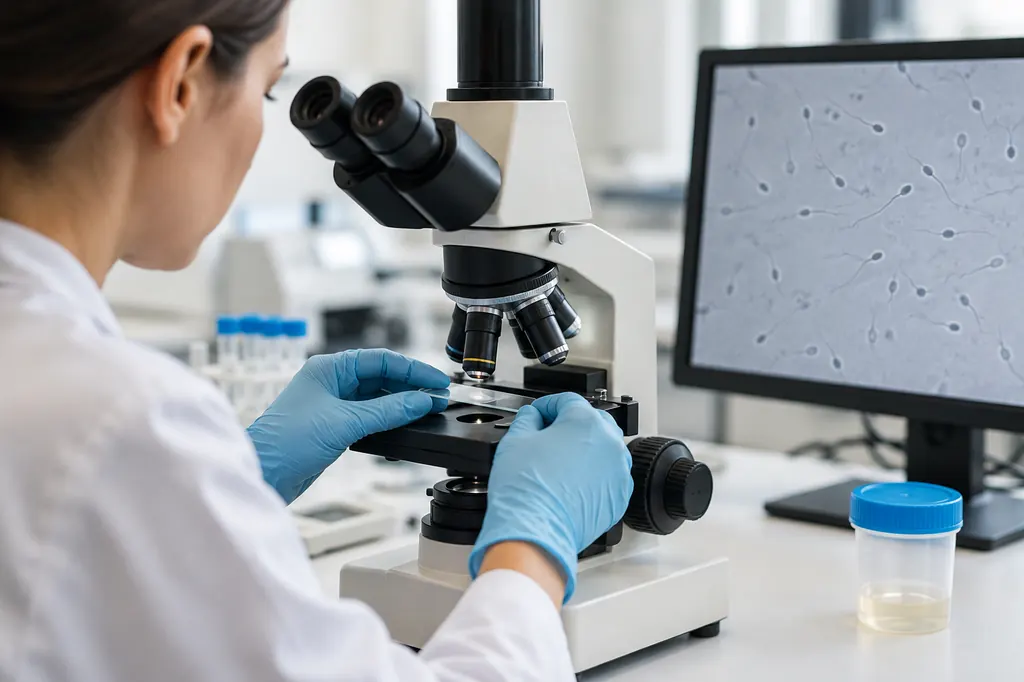
A semen analysis measures the volume of the sample and the number, movement and shape of sperm.
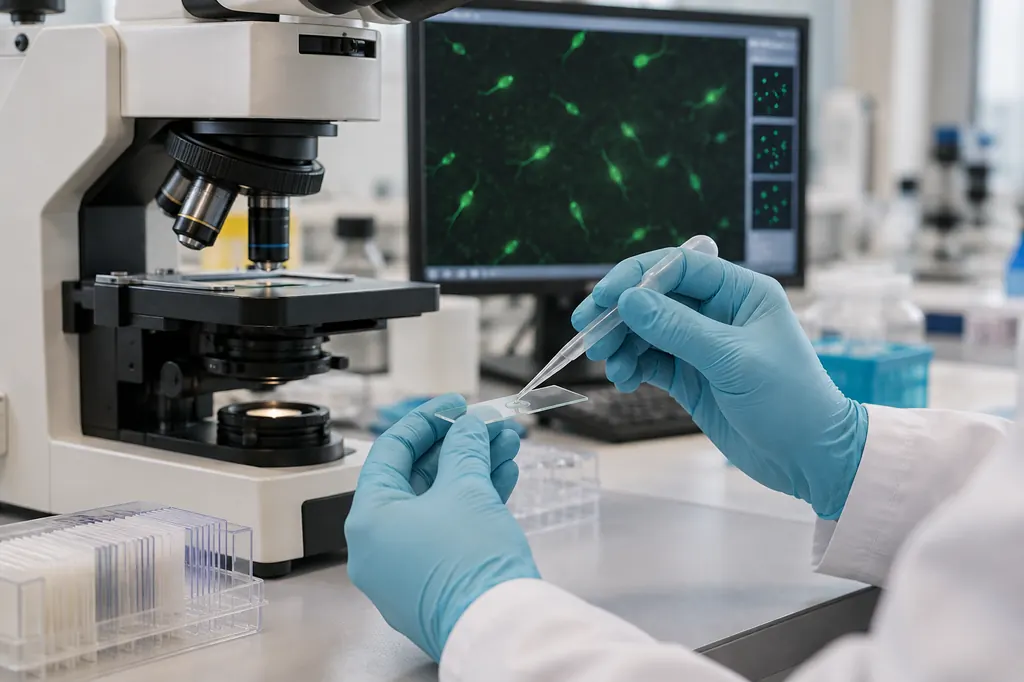
The DFI test measures how many sperm carry damaged DNA.
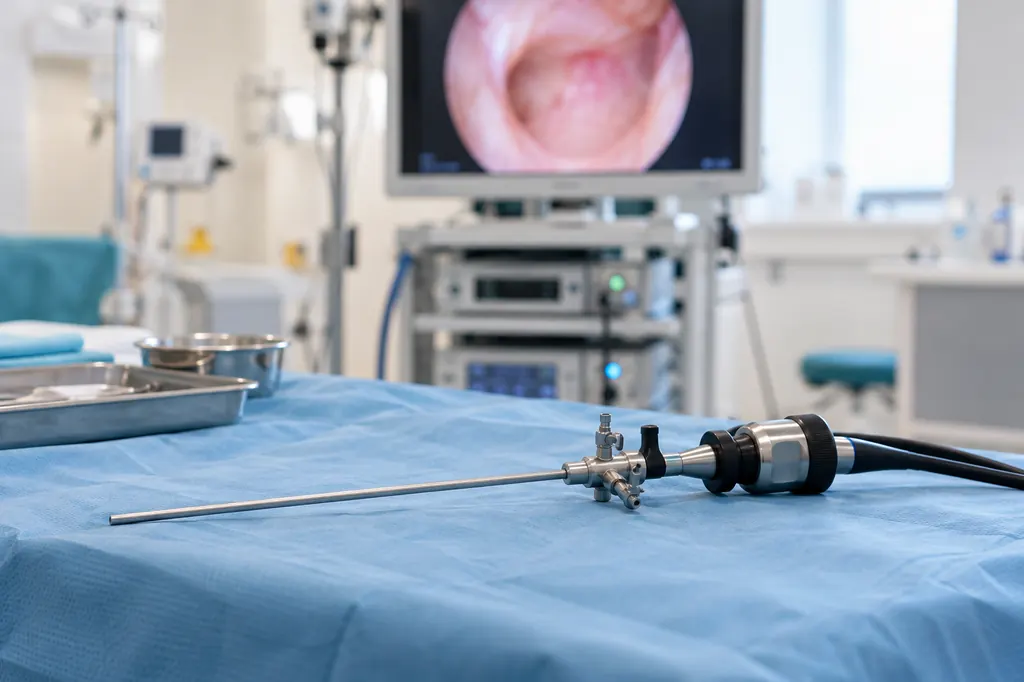
A hysteroscopy passes a thin camera through the cervix to look inside the uterus.
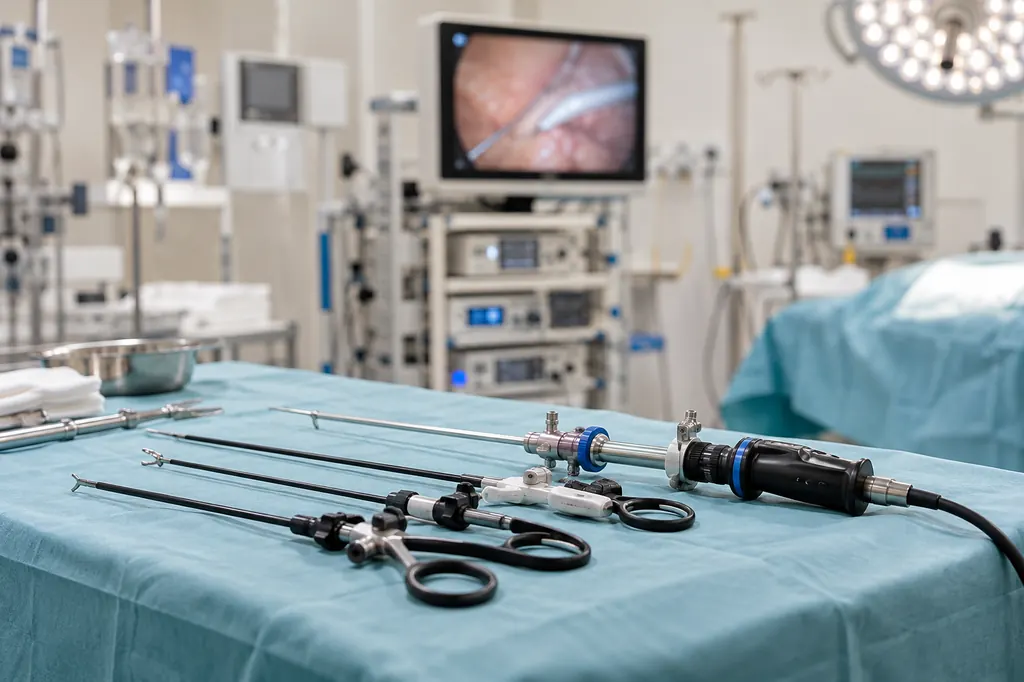
Laparoscopy uses a camera inserted through a small cut near the navel to look at the uterus, tubes and ovaries.
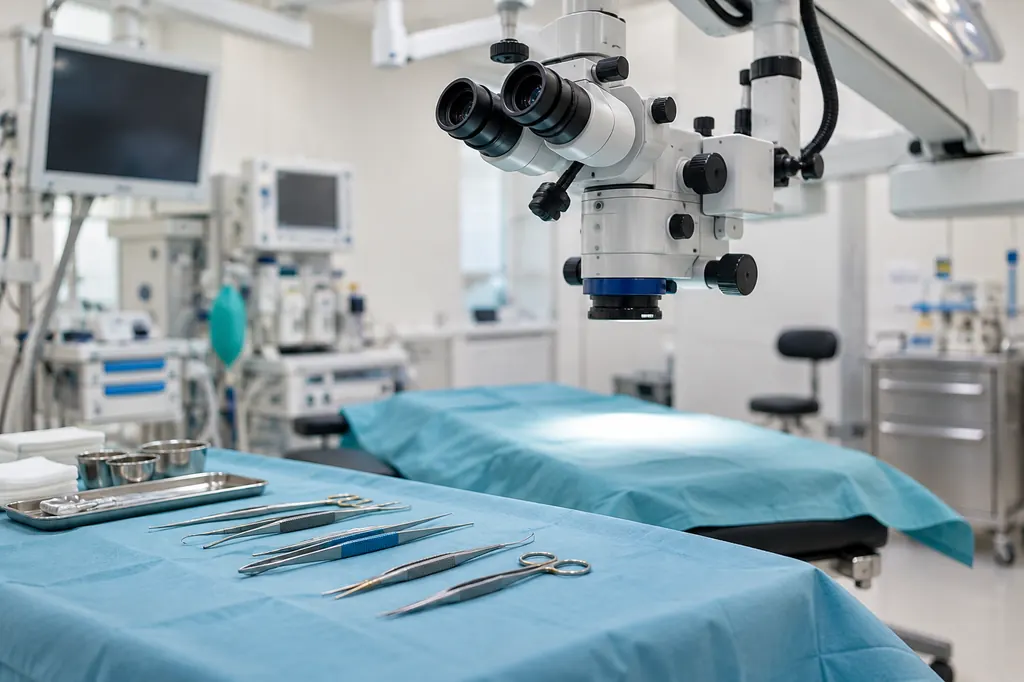
When there are no sperm in the semen because the testes make very few (non-obstructive azoospermia), micro-TESE uses an operating microscope to find small areas where sperm are still being made.
Not sure where to start?
See a fertility doctor at an IVF Pulse centre in Bangalore: Kalyan Nagar (HRBR Layout), RR Nagar and Rajajinagar (at Tamara Hospital). Nothing to pay when you book.