
Culture and infection tests at Tamara Hospital, Rajajinagar
Quick answer: Tests that grow or stain bacteria, fungi and tuberculosis from a sample, and check which medicines will work against them. This page explains all 42 of them.
- Blood 2
- Urine 1
- Body fluid or spinal fluid 1
- Swab, smear or sputum 30
- Stool 2
- Semen 1
- Tissue or biopsy 1
- A package of tests 4
A
AFB culture (TB culture)
Also called TB culture, mycobacterial culture, BACTEC culture, MGIT culture
An AFB culture grows mycobacteria, the bacteria that cause tuberculosis (TB), from a sample so they can be identified.
Full details 5 options →AFB smear (ZN stain for TB)
Also called AFB stain, sputum AFB, Ziehl-Neelsen stain, acid-fast bacilli test
An AFB smear is a stained slide of a sample checked under a microscope for acid-fast bacilli, the type of bacteria that cause tuberculosis (TB).
Full details 4 options →B
Blood culture and sensitivity
Also called blood culture, blood C/S, sepsis test
A blood culture checks whether bacteria or yeast are growing in your blood, and if so, which antibiotics will work against them.
Full details →C
Central line tip culture
Also called catheter tip culture, CVC tip culture
This test checks the tip of a removed central venous catheter for bacteria or yeast.
Full details →Clot culture for Salmonella (typhoid)
Also called typhoid culture, clot culture, Salmonella culture
This test grows Salmonella bacteria, the cause of typhoid and paratyphoid fever, from a blood clot sample.
Full details →CMV DNA PCR (tissue, quantitative)
Also called cytomegalovirus PCR, CMV viral load tissue
This test measures the amount of cytomegalovirus (CMV) genetic material in a tissue sample.
Full details →CSF culture and sensitivity
Also called spinal fluid culture, CSF C/S, meningitis culture
This test checks cerebrospinal fluid, the fluid around the brain and spine, for bacteria or fungi and which medicines work against them.
Full details →E
Exposure (settle) plate culture
Also called settle plate, air sampling culture, OT air culture
An exposure plate culture checks the air in a room, such as an operating theatre or lab, for bacteria and fungi by leaving open culture plates in the room.
Full details →Eye, ear, nose and throat swab culture
Also called throat swab culture, ear swab culture, eye swab culture, nasal swab culture
This test grows bacteria or fungi from a swab or scraping of the eye, ear, nose or throat, and checks which medicines work against them.
Full details 5 options →F
Fungal culture
Also called fungus culture, nail fungal culture, sputum fungal culture
A fungal culture grows fungi or yeast from a sample so they can be identified.
Full details 4 options →G
Gram stain
Also called Gram's staining, Gram smear
A Gram stain is a quick microscope test that shows whether bacteria are present in a sample and what type they are.
Full details →H
Hanging drop test (stool)
Also called hanging drop, cholera test
This microscope test looks at a drop of fresh stool for the darting movement typical of Vibrio cholerae, the bacteria that cause cholera.
Full details →K
KOH mount (fungal test)
Also called KOH preparation, KOH stain, fungal scraping, potassium hydroxide test
A KOH mount treats skin, hair, nail or discharge samples with potassium hydroxide so fungi can be seen under a microscope.
Full details 3 options →P
Pus and body fluid culture and sensitivity
Also called pus culture, wound culture, fluid culture, pus C/S
This test grows bacteria from pus or body fluid and checks which antibiotics work against them.
Full details 3 options →S
Semen culture and sensitivityFertility
Also called semen C/S, seminal fluid culture
This test checks a semen sample for bacteria and which antibiotics work against them.
Full details →Sputum culture and sensitivity
Also called sputum C/S, phlegm culture
This test grows bacteria from sputum (phlegm) and checks which antibiotics work against them.
Full details →Sterility swab culture (infection control)
Also called surface swab culture, hand swab culture, environmental swab
This test grows bacteria from swabs of surfaces, equipment, or staff hands and noses to check how clean or sterile they are.
Full details 4 options →Stool culture and sensitivity
Also called stool C/S, motion culture
This test grows bacteria from a stool sample to look for germs that cause diarrhoea, such as Salmonella or Shigella, and checks which antibiotics work.
Full details →T
Trichomonas, gonorrhoea and Candida test (vaginal discharge)
Also called TV GC Candida, vaginal discharge test, vaginal swab STI test
This test checks vaginal discharge for Trichomonas vaginalis, Neisseria gonorrhoeae (the cause of gonorrhoea) and Candida (yeast).
Full details →U
Urine culture and sensitivity
Also called urine C/S, urine culture, UTI test
A urine culture checks whether bacteria are growing in your urine and which antibiotics will work against them.
Full details →V
Vaginal discharge culture and sensitivity
Also called high vaginal swab culture, HVS culture, vaginal swab culture
This test grows bacteria or yeast from a vaginal swab and checks which medicines work against them.
Full details →No test matches. Try a shorter word, or search all departments.
Other departments
Tamara Hospital & IVF Centre, Rajajinagar
34/3, 10th Cross Road, opp. Vardhaka Sardar Patel School, 1st N Block, 2nd Stage, Rajajinagar, Bengaluru 560010
The hospital is open 24 hours. Call before you come to check the timing for your scan or sample collection.
Get directions ↗IVF Pulse fertility care at Tamara Hospital →
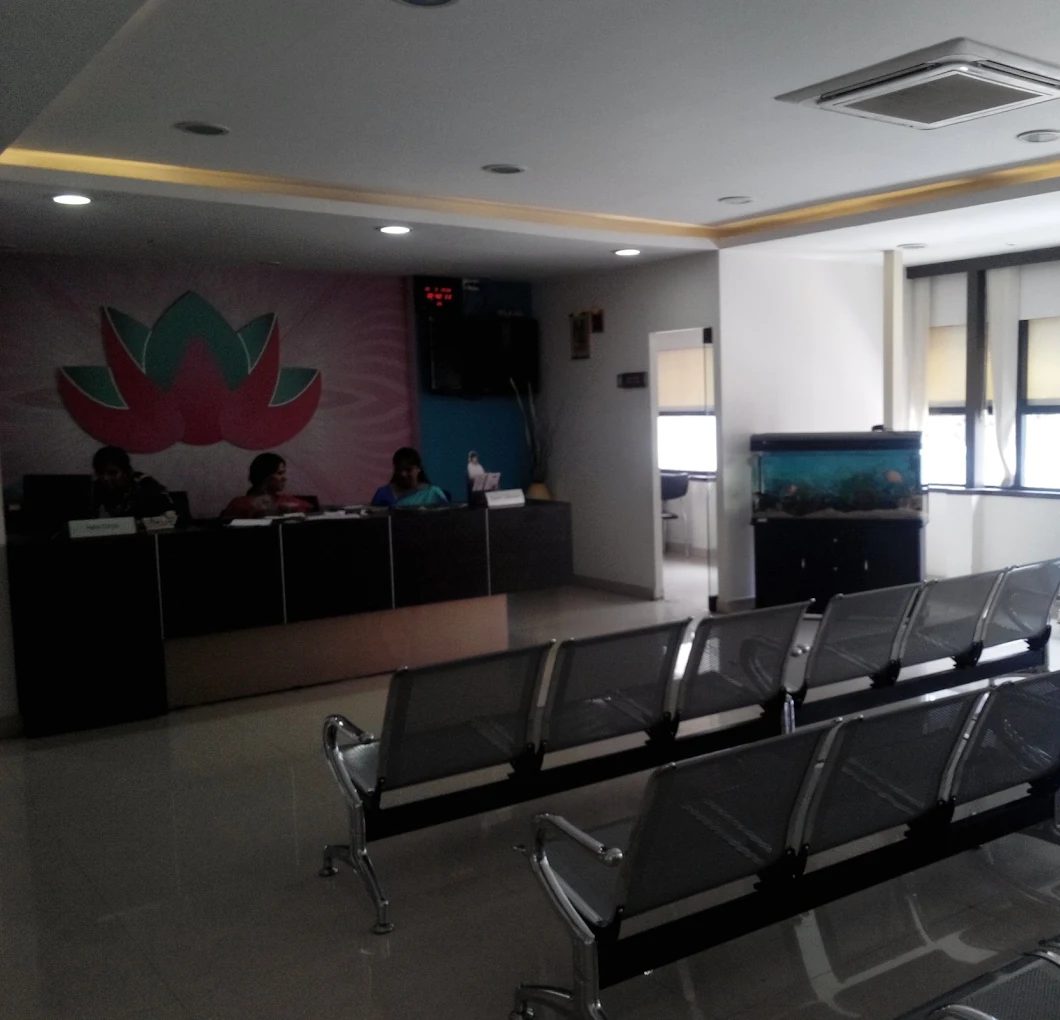 Reception
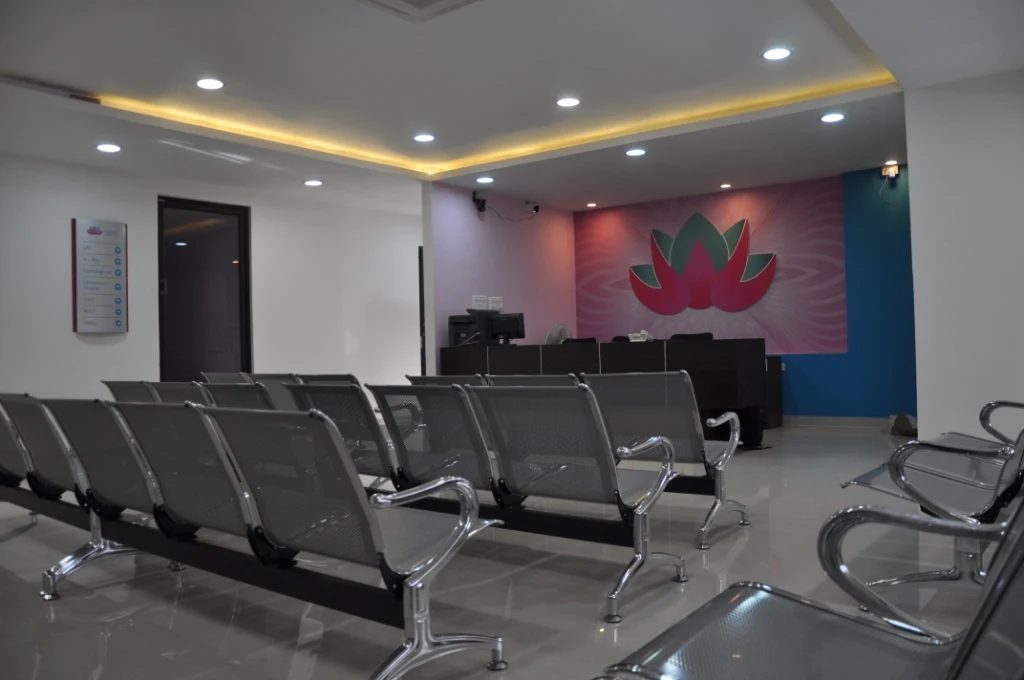 Waiting area
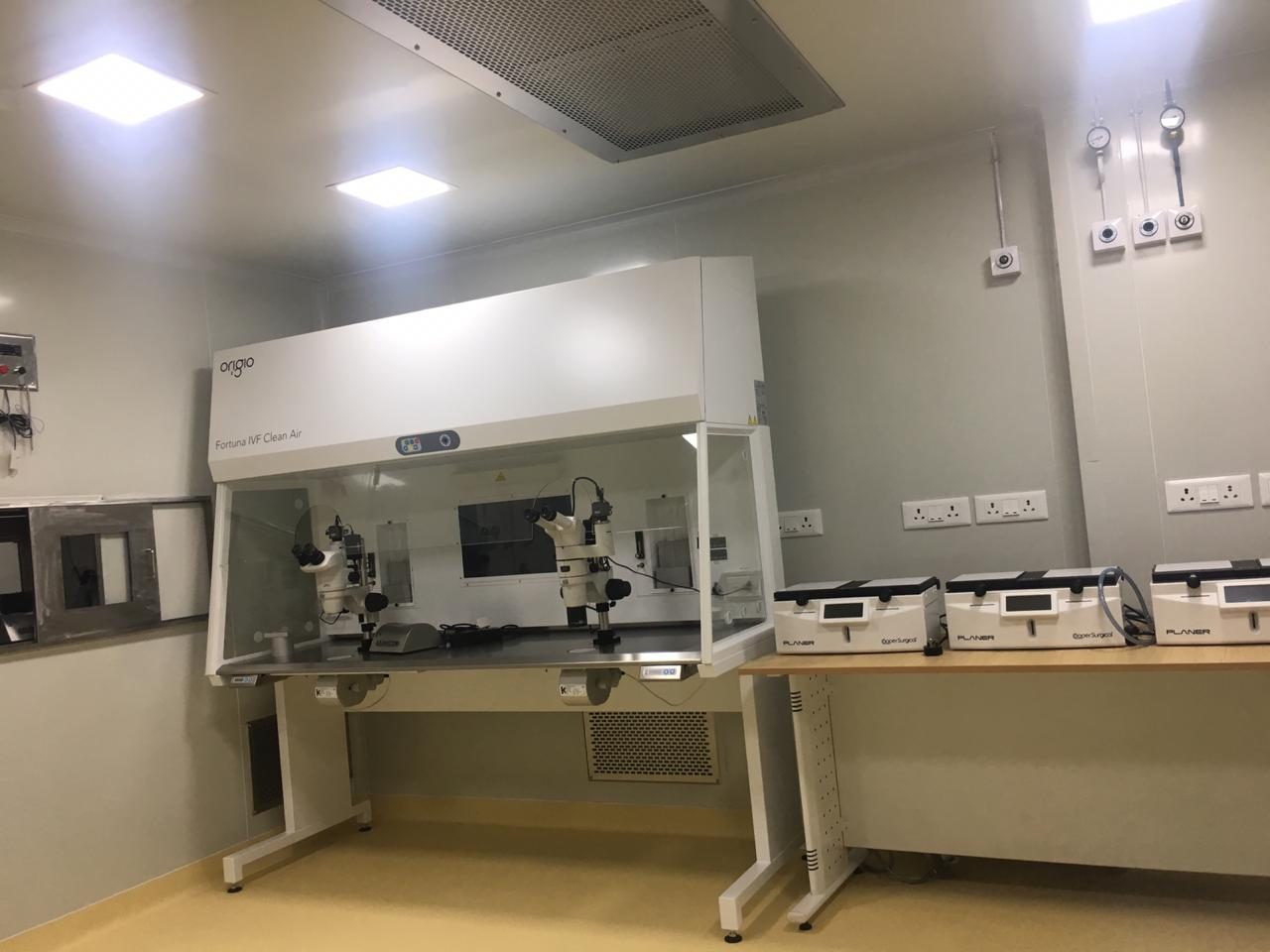 IVF lab
This page explains each test in general terms so you know what to expect. It is not medical advice: your doctor decides which tests you need and what your results mean. Reference ranges differ between laboratories. Updated 4 November 2026.