
Osmotic fragility test
Quick answer: This test checks how easily your red blood cells burst when placed in weaker salt solutions. It is mainly used to help diagnose hereditary spherocytosis, an inherited cause of anaemia and jaundice.
- SampleBlood
- TakesAbout 5 minutes
- Before the testNo special preparation is usually needed.
How the test is done
- 1Blood is drawn into a heparin tube
- 2Red cells are placed in a series of weaker salt solutions
- 3The lab measures how many cells burst in each
- 4Results may be compared fresh and after 24 hours of incubation
What your results can mean
Reading your report
Results are read with a blood smear and other tests; discuss them with your doctor.
If the result is outside the usual range
Increased fragility can point to hereditary spherocytosis or some other red cell conditions. Decreased fragility can be seen with thalassaemia and iron deficiency.
Who usually has this test
People with anaemia, jaundice, gallstones at a young age, or a family history of spherocytosis.
Risks and aftercare
Bruising is possible, and no other aftercare is needed.
Names and options
Also called: OFT, red cell fragility test
Listed by the hospital as
- OSMOTIC FRAGILITY
Questions about this test
What is hereditary spherocytosis?
It is an inherited condition where red cells are round rather than disc-shaped and break down early. It can cause anaemia, jaundice and an enlarged spleen.
Is the osmotic fragility test still used?
Many labs now use a newer test called EMA binding. Osmotic fragility is still used in some labs, often alongside a blood smear.
Can a recent blood transfusion affect the result?
Yes, donated red cells can mix with yours and hide the result. Tell the staff about any recent transfusion.
Related tests
Tamara Hospital & IVF Centre, Rajajinagar
34/3, 10th Cross Road, opp. Vardhaka Sardar Patel School, 1st N Block, 2nd Stage, Rajajinagar, Bengaluru 560010
The hospital is open 24 hours. Call before you come to check the timing for your scan or sample collection.
Get directions ↗IVF Pulse fertility care at Tamara Hospital →
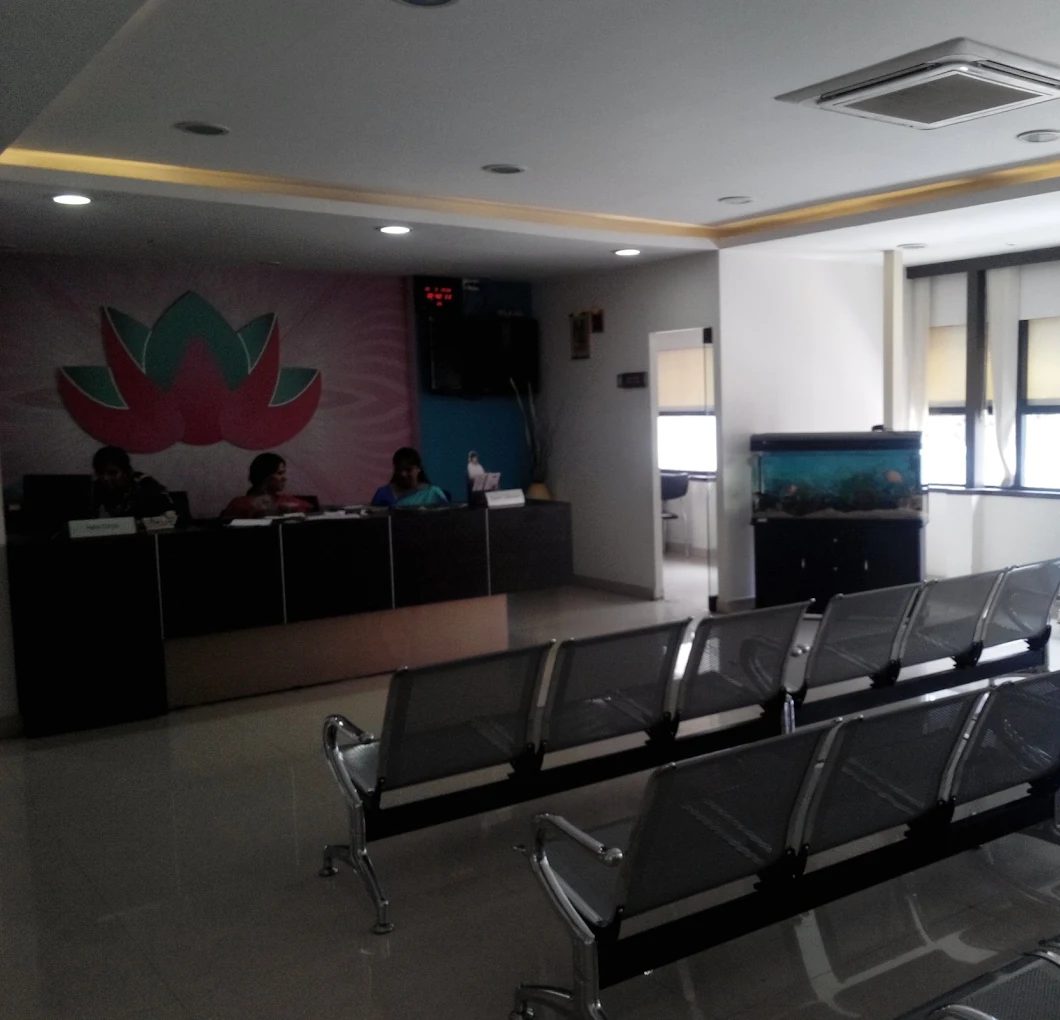 Reception
 Waiting area
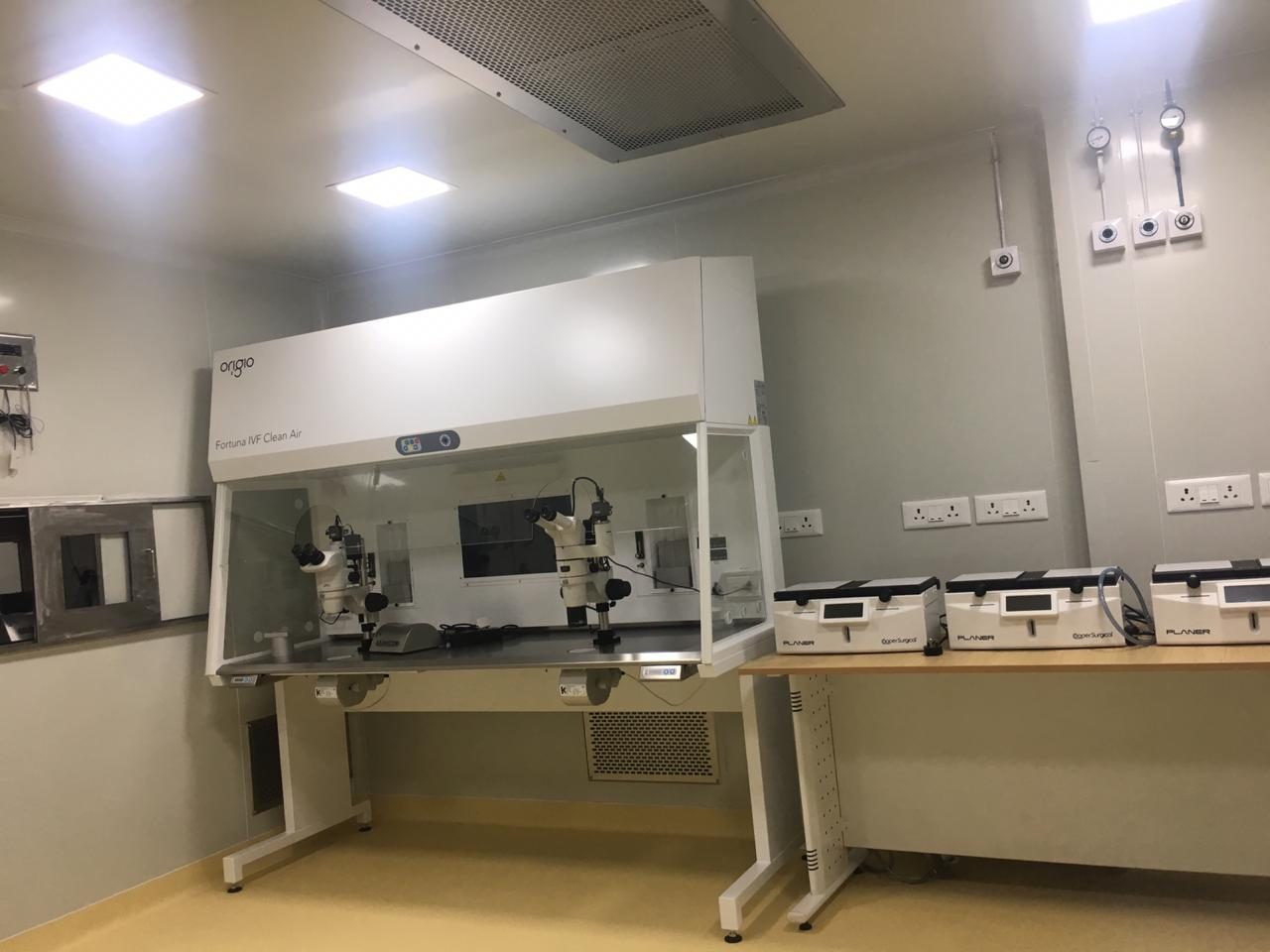 IVF lab
This page explains each test in general terms so you know what to expect. It is not medical advice: your doctor decides which tests you need and what your results mean. Reference ranges differ between laboratories. Updated 4 November 2026.