Semen analysis test: the first test for the male partner
A semen analysis test measures the volume of the sample and the number, movement and shape of sperm. It is simple, quick and should be done early in any fertility workup. Because results vary, an abnormal result is usually repeated.
- Abstinence before
- 2–7 days
- Sample
- Collected by masturbation
- Deliver within
- About 1 hour, kept warm
- Results
- Usually 1–2 days
What is a semen analysis test?
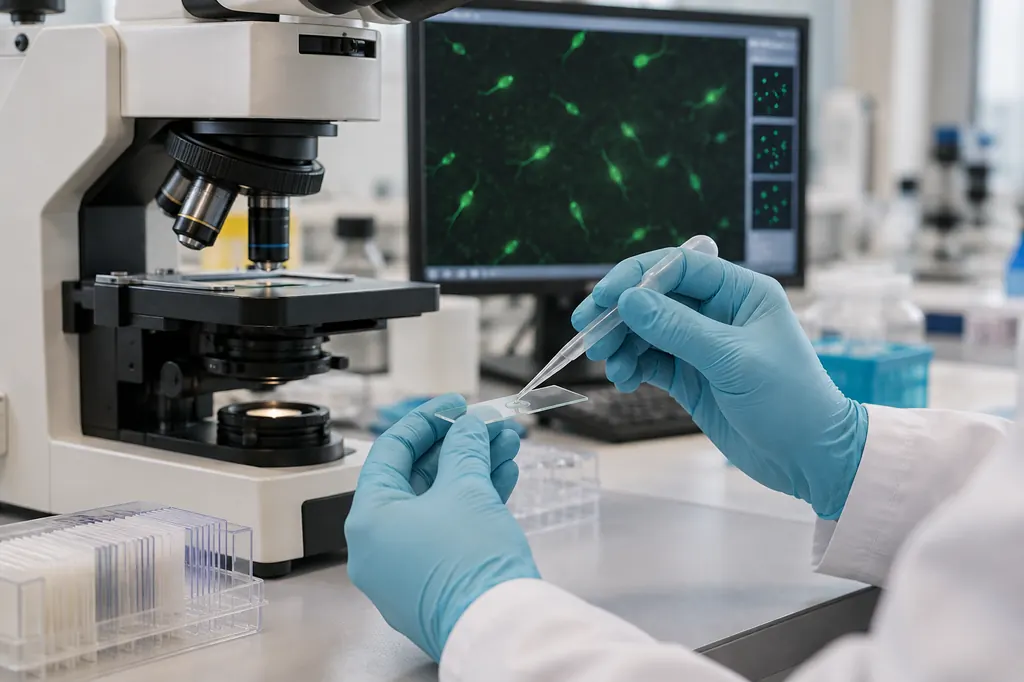
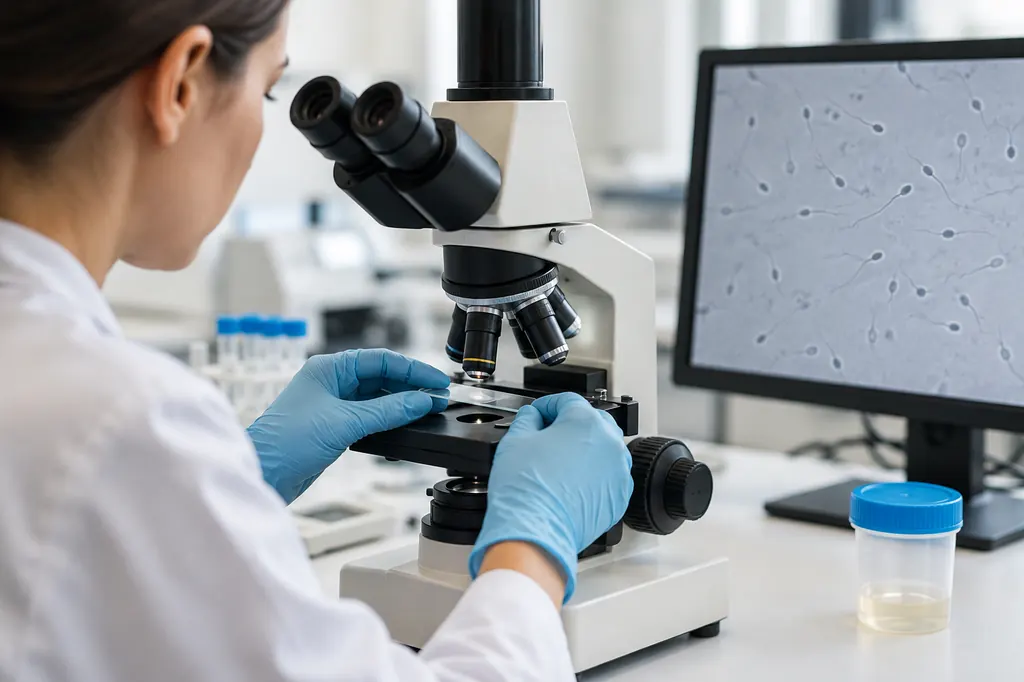
A semen analysis is the cornerstone of male fertility testing. It looks at the volume of the ejaculate and, under the microscope, at how many sperm there are, how many are moving and how well, and what proportion have a normal shape.
Sperm production takes about two to three months, so a recent fever, illness or medicines can affect results for weeks. That is why one abnormal result is usually repeated before conclusions are drawn.
Who Semen analysis may help
- Every couple having fertility tests
- Men with known risk factors (past surgery, infection, varicocele)
- After a vasectomy, to confirm success
Good to know. One abnormal result is not a diagnosis. Illness, fever or a short abstinence can lower results temporarily.
How to prepare
- Avoid ejaculation for 2–7 days before the test.
- Avoid heavy alcohol, saunas and hot baths for several days before.
- Tell the lab about any recent fever or medicines.
- Collect the whole sample into the sterile container — losing the first part can lower the count significantly.
The semen analysis procedure, step by step
Prepare
Avoid ejaculation for 2–7 days; avoid alcohol excess and hot baths in the days before.
Collect
Into a sterile container, ideally at the lab; the whole sample matters.
Analysis
The lab measures volume, count, motility (movement) and morphology (shape).
Report
Results are compared with WHO reference values.
Repeat if needed
Abnormal results are rechecked after a few weeks.
Understanding your results
- Volume
- WHO lower reference limit about 1.4 ml. Low volume can mean incomplete collection or a blockage.
- Concentration
- About 16 million sperm per ml (39 million in total) is the lower reference limit.
- Total motility
- About 42% moving sperm; progressive motility about 30%.
- Morphology
- About 4% normal forms by strict criteria.
- Vitality, pH and white cells
- Help identify infection or other causes when other values are abnormal.
What to expect on the day
- Most labs have private collection rooms.
- Tell the lab if any of the sample was lost — it affects the count.
Benefits, limitations and risks
Benefits
- Simple, non-invasive and inexpensive
- Guides the choice between natural trying, IUI, IVF or ICSI
Limitations
- Results vary from sample to sample
- Does not test sperm DNA or genetic quality
Risks and side effects
- None physically. A worrying result can be stressful; discuss it with a doctor before drawing conclusions.
What the results mean for treatment
WHO 2021 lower reference limits include about 16 million sperm per ml, 42% total motility and 4% normal forms. Results below these do not mean pregnancy is impossible; they help guide treatment such as IUI, IVF or ICSI.
What affects the price of a semen analysis
- Basic analysis or extended tests such as vitality or culture
- Repeat tests
Before you book, ask the lab or clinic for the price of each test, whether repeat tests cost extra, and how soon results will be ready. Prices vary between labs and cities.
Questions to ask your doctor
- Should we repeat the test?
- Which values were below the reference range?
- Do I need hormone tests or to see a urologist?
Frequently asked questions
How many days of abstinence before a semen test?
Between 2 and 7 days, as recommended in the WHO laboratory manual.
What is a normal sperm count?
WHO's lower reference limit is about 16 million sperm per ml (39 million in total). Many men below this still father children.
Can I collect the sample at home?
Some labs allow it if you can deliver it within about an hour, kept at body temperature. Ask the lab first.
Can lifestyle changes improve semen results?
Stopping smoking, limiting alcohol, losing excess weight, treating infections and avoiding heat can help; improvements take about three months to show.
What does azoospermia mean on my report?
No sperm were seen in the sample. It should be confirmed on a repeat test with the sample spun down, and needs specialist assessment.
Not sure if Semen analysis is right for you?
See a fertility doctor at an IVF Pulse centre in Bangalore: Kalyan Nagar (HRBR Layout), RR Nagar and Rajajinagar (at Tamara Hospital). Nothing to pay when you book, and you can change the time on WhatsApp.