
Lymphocyte count
Quick answer: This test measures lymphocytes, white blood cells that help fight viruses and make antibodies, either as a number or as a share of all white cells. It is ordered for infections, immune problems or an abnormal blood count, and to follow some blood conditions.
- SampleBlood
- TakesAbout 5 minutes
- Before the testNo special preparation is usually needed.
How the test is done
- 1Blood is drawn from your arm into an EDTA tube
- 2An analyser counts the white cells and sorts them by type
- 3Lymphocytes are reported as a percentage and an absolute number
- 4A smear may be checked if the cells look unusual
What your results can mean
Reading your report
Viral infections, stress and steroids can change the count; ranges differ between labs and by age, so discuss your result with your doctor.
If the result is outside the usual range
A high count can be seen with viral infections, TB, whooping cough and some blood cancers such as chronic lymphocytic leukaemia. A low count can be seen with steroid medicines, HIV, severe illness or some immune disorders.
Who usually has this test
People having a routine blood count, and those with frequent infections, swollen glands or a long fever.
Risks and aftercare
Bruising is possible where the needle went in.
Names and options
Also called: ALC, absolute lymphocyte count, lymphocytes
Options
- Absolute lymphocyte count
- Lymphocytes
Listed by the hospital as
- ABSOLUTE LYMPHOCYTE COUNT
- LYMPHOCYTES
Questions about this test
Why might my lymphocyte percentage be high but the number normal?
If other white cells such as neutrophils are low, lymphocytes can look high as a share. The absolute number is often more useful.
Can a viral fever raise lymphocytes?
Yes, viral infections commonly raise lymphocytes for a while. Counts usually return to normal after recovery.
When is a high lymphocyte count a concern?
A count that stays high for weeks, especially in older adults or with swollen glands, may need more tests. Your doctor will advise you.
Related tests
Tamara Hospital & IVF Centre, Rajajinagar
34/3, 10th Cross Road, opp. Vardhaka Sardar Patel School, 1st N Block, 2nd Stage, Rajajinagar, Bengaluru 560010
The hospital is open 24 hours. Call before you come to check the timing for your scan or sample collection.
Get directions ↗IVF Pulse fertility care at Tamara Hospital →
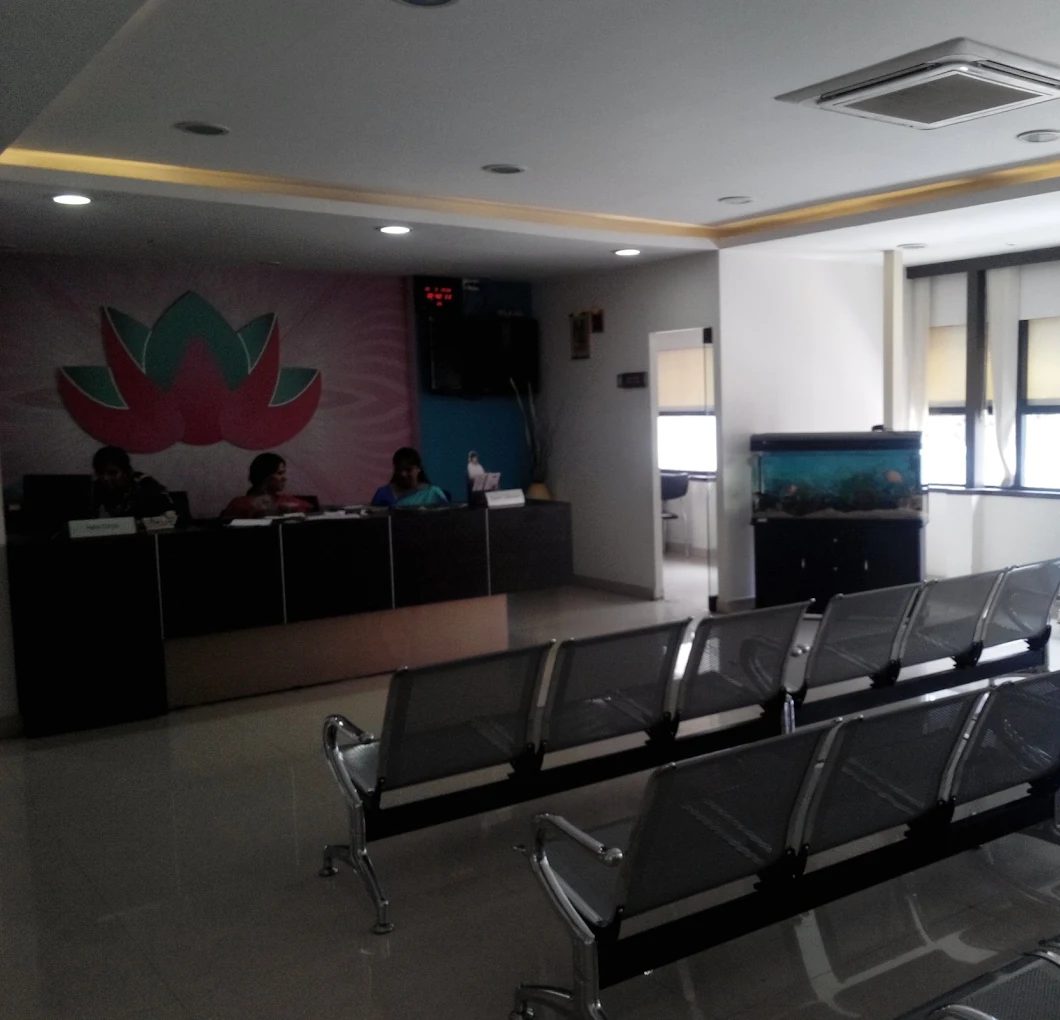 Reception
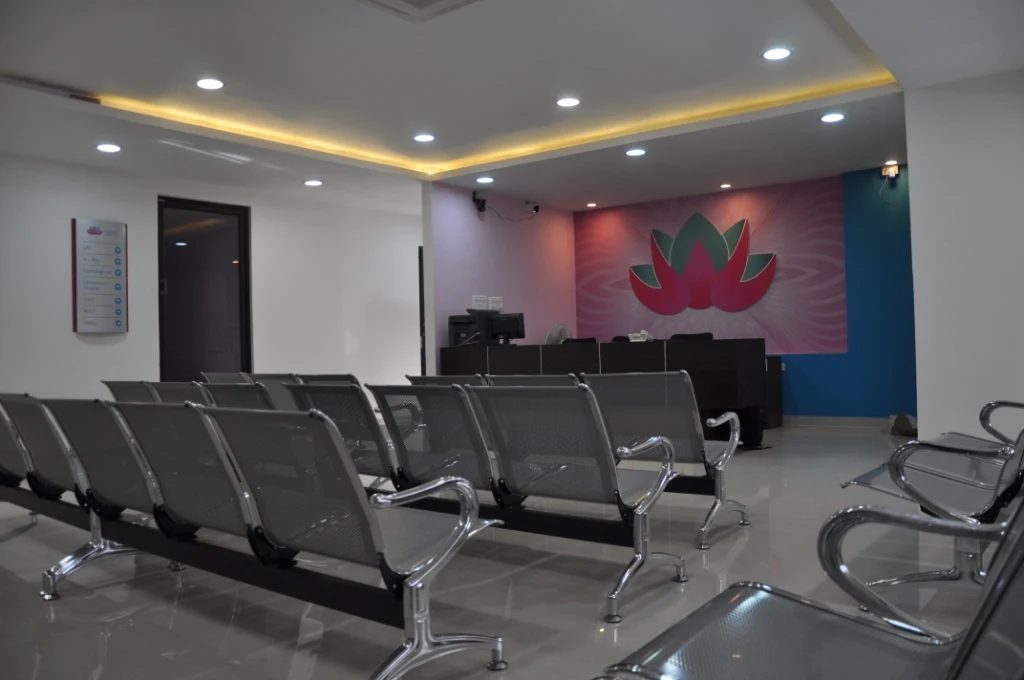 Waiting area
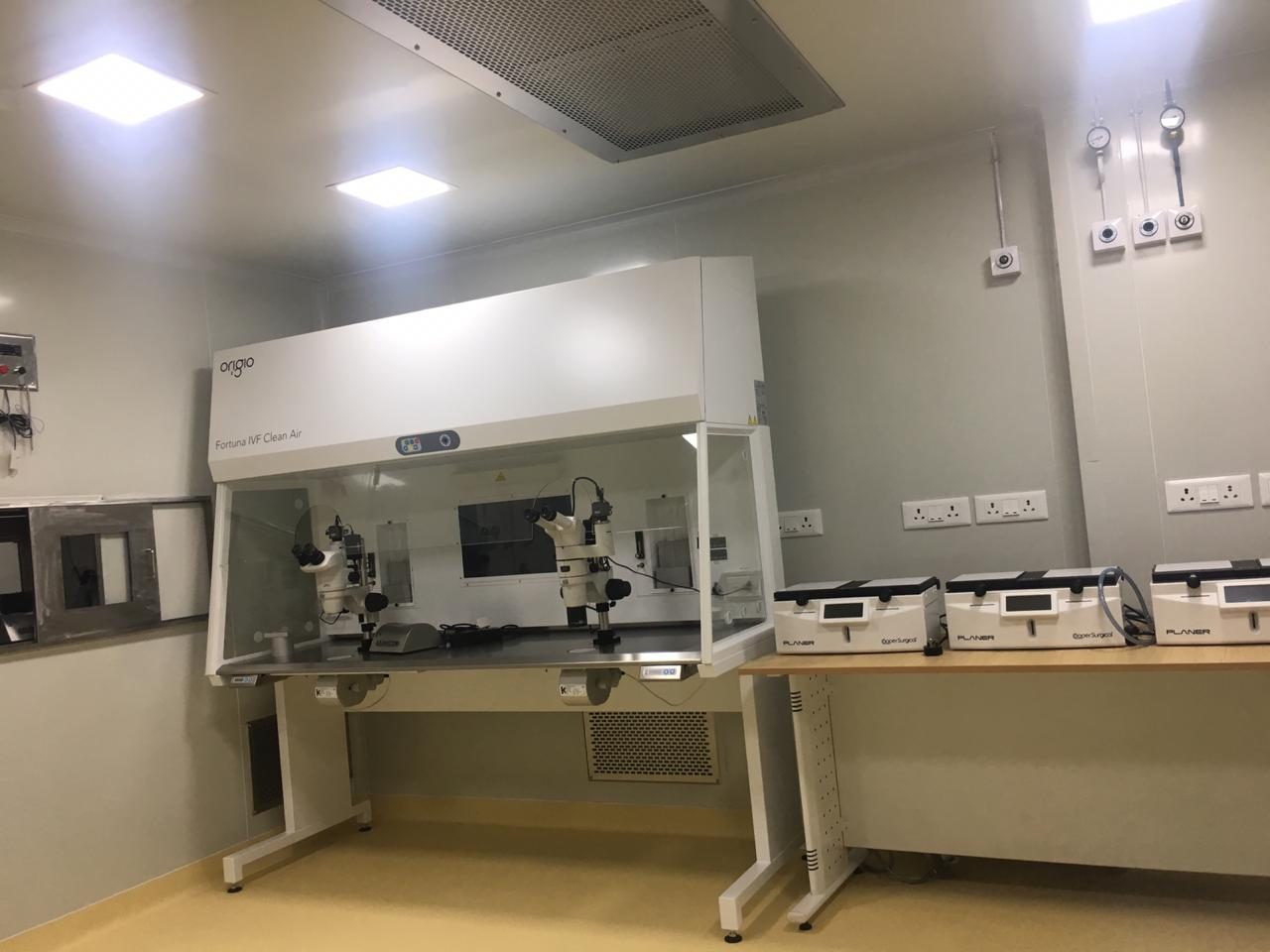 IVF lab
This page explains each test in general terms so you know what to expect. It is not medical advice: your doctor decides which tests you need and what your results mean. Reference ranges differ between laboratories. Updated 4 November 2026.