
Direct Coombs test (DCT)
Quick answer: The direct Coombs test checks whether antibodies are stuck to the surface of your red blood cells. It is used to look into red cells breaking down early (haemolytic anaemia), transfusion reactions, and jaundice in newborns.
- SampleBlood
- TakesAbout 5 minutes
- Before the testNo special preparation is usually needed.
- In fertility careIn newborns of Rh-negative or group O mothers, it helps show whether the mother's antibodies are affecting the baby's red cells.
How the test is done
- 1Blood is drawn from a vein, or from the cord or heel in newborns
- 2Your red cells are washed in the lab
- 3A reagent that binds antibodies is added
- 4Clumping shows that antibodies are attached to the red cells
What your results can mean
Reading your report
A positive result shows antibodies are present but not always their cause; discuss it with your doctor.
If the result is outside the usual range
A positive result can point to red cells being destroyed by antibodies, as in autoimmune haemolytic anaemia, transfusion reactions or haemolytic disease of the newborn. A negative result makes antibody-caused red cell destruction less likely.
Who usually has this test
Newborns with jaundice, and people with unexplained anaemia or a reaction after a blood transfusion.
Risks and aftercare
Bruising is possible; for a newborn, a heel prick may leave a small mark that heals quickly.
Names and options
Also called: DCT, direct antiglobulin test, DAT
Listed by the hospital as
- DCT (DIRECT COOMBS TEST)
Questions about this test
How is the direct Coombs test different from the indirect one?
The direct test looks for antibodies already stuck to red cells. The indirect test looks for antibodies floating in the plasma.
Why is a newborn given a direct Coombs test?
If a baby has jaundice or the mother has blood group antibodies, the test checks whether those antibodies are affecting the baby's red cells. A positive result helps doctors plan treatment for jaundice.
Can medicines cause a positive DCT?
Yes, some medicines can rarely cause it. Your doctor will review your medicines, but do not stop them without advice.
Related tests
Tamara Hospital & IVF Centre, Rajajinagar
34/3, 10th Cross Road, opp. Vardhaka Sardar Patel School, 1st N Block, 2nd Stage, Rajajinagar, Bengaluru 560010
The hospital is open 24 hours. Call before you come to check the timing for your scan or sample collection.
Get directions ↗IVF Pulse fertility care at Tamara Hospital →
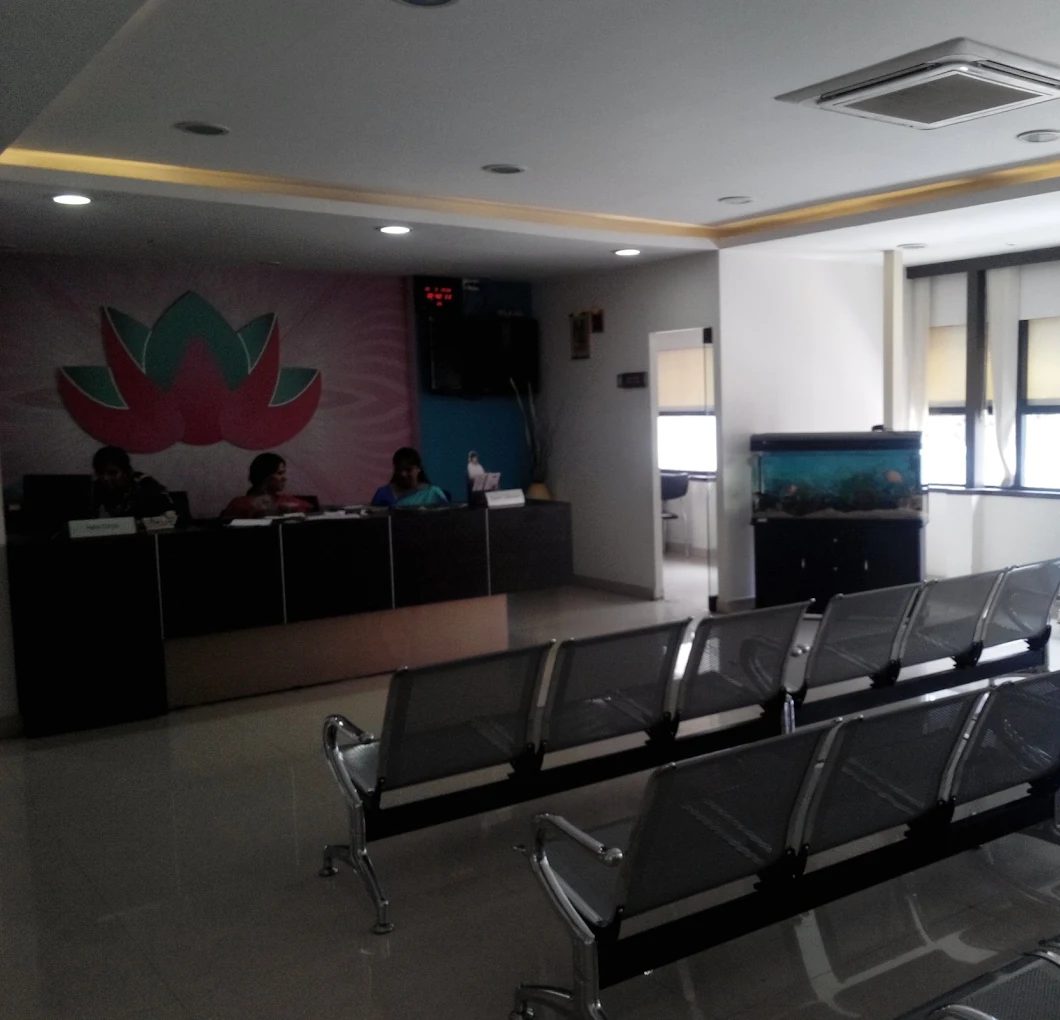 Reception
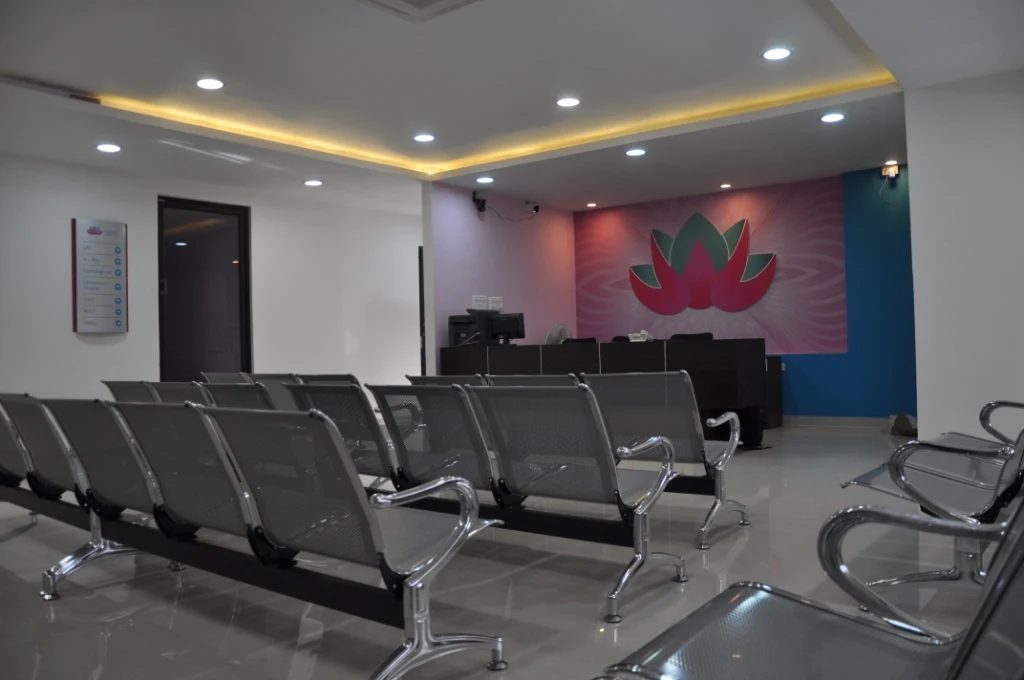 Waiting area
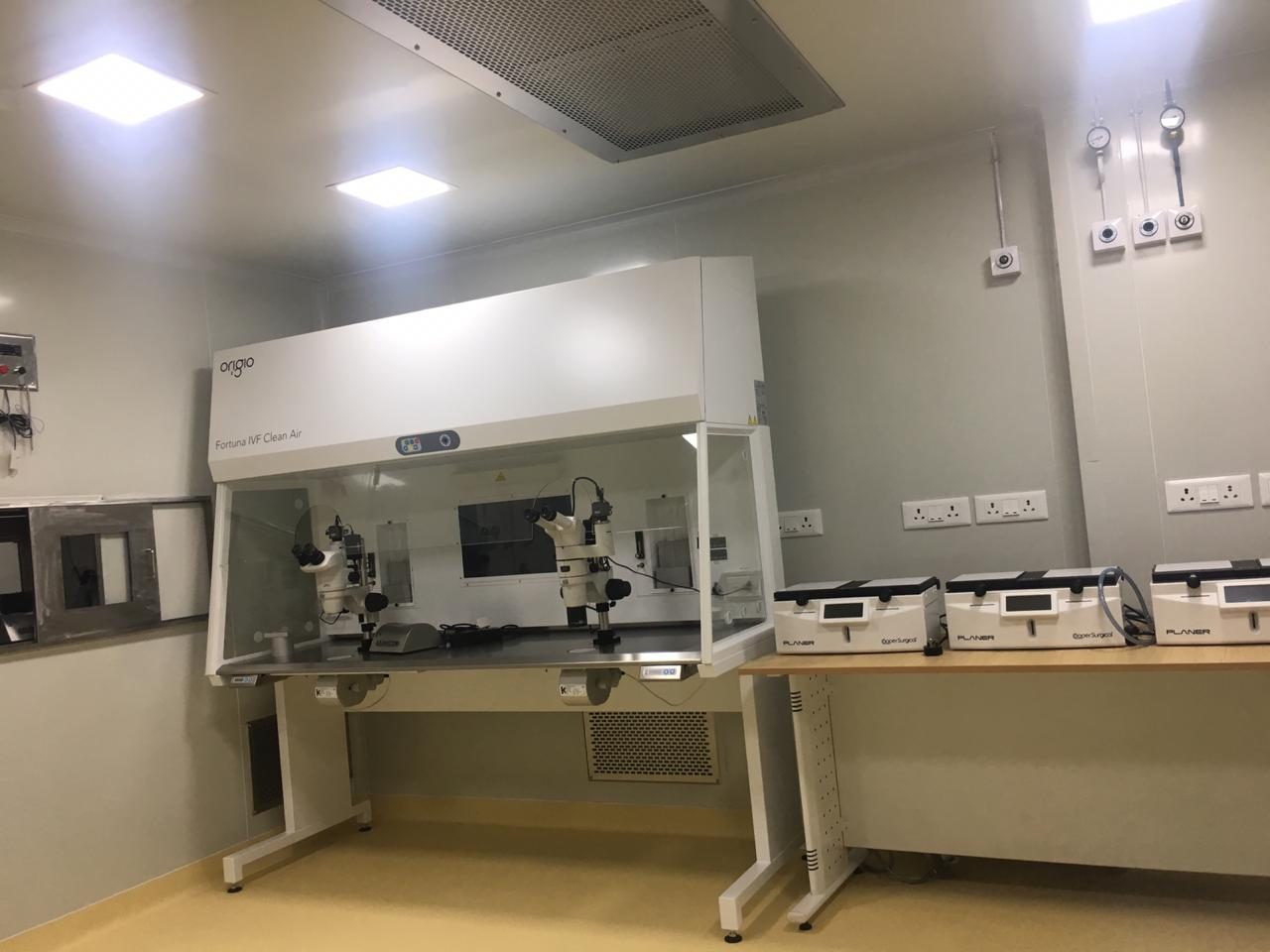 IVF lab
This page explains each test in general terms so you know what to expect. It is not medical advice: your doctor decides which tests you need and what your results mean. Reference ranges differ between laboratories. Updated 4 November 2026.