IUI treatment: a simpler first step for some couples
IUI treatment (intrauterine insemination) places prepared sperm directly into the uterus around the time of ovulation. It is quicker and less invasive than IVF, but each cycle has a lower chance of pregnancy.
- Procedure time
- About 10 minutes
- Anaesthesia
- None
- Medicines
- Sometimes ovulation tablets or injections
- Pregnancy test
- About 2 weeks later
What is IUI treatment?
IUI places a concentrated sample of the healthiest sperm high in the uterus, close to the fallopian tubes, at the time an egg is released. It shortens the distance sperm have to travel and bypasses the cervix.
IUI can be done in a natural cycle or with medicine to help ovulation. It is less invasive and less expensive than IVF, but each cycle has a lower chance of pregnancy, so it suits couples whose problem is mild and who have time on their side.
Who IUI may help
- Couples using donor sperm
- Mild male factor or difficulty with intercourse
- Ovulation problems treated with ovulation medicine
- Some cases of unexplained infertility, depending on age
Good to know. IUI needs at least one open fallopian tube and reasonable sperm. It is not suitable for blocked tubes, severe male factor or, usually, women with markedly reduced egg reserve.
How to prepare
- Confirm that at least one fallopian tube is open (HSG, HyCoSy or laparoscopy).
- Have a semen analysis: IUI needs a reasonable number of moving sperm after washing.
- The male partner avoids ejaculation for 2–5 days before the insemination day.
- Plan for scans around days 9–14 of your cycle to time the insemination.
The IUI procedure, step by step
Cycle monitoring
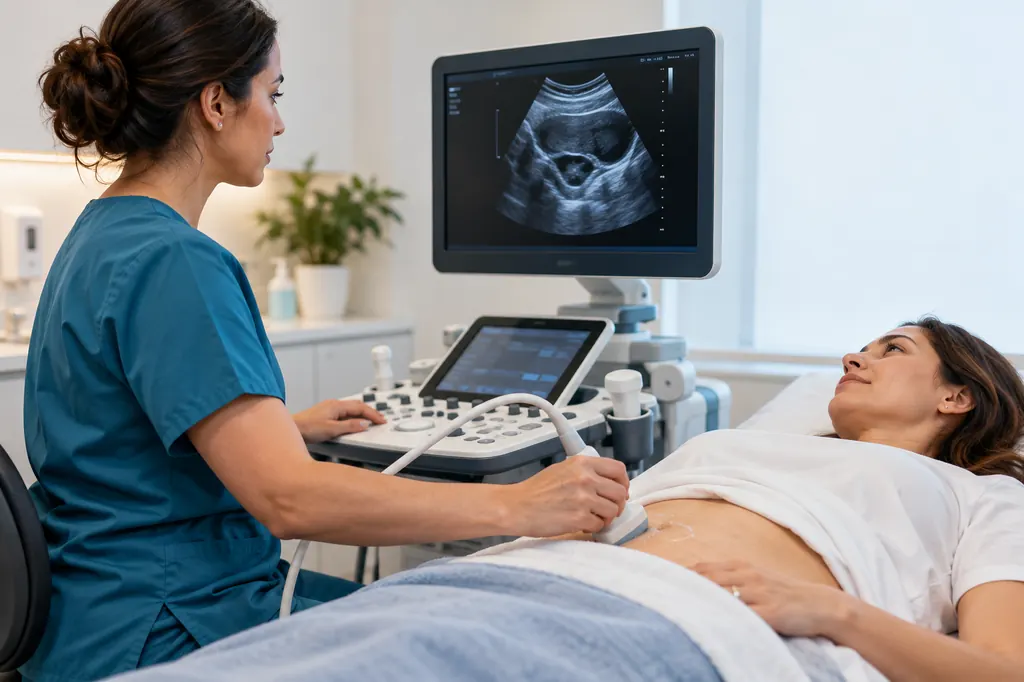
Scans track the growing follicle; ovulation medicine may be used.
Trigger (sometimes)
An injection can be used to time ovulation.
Sperm preparation
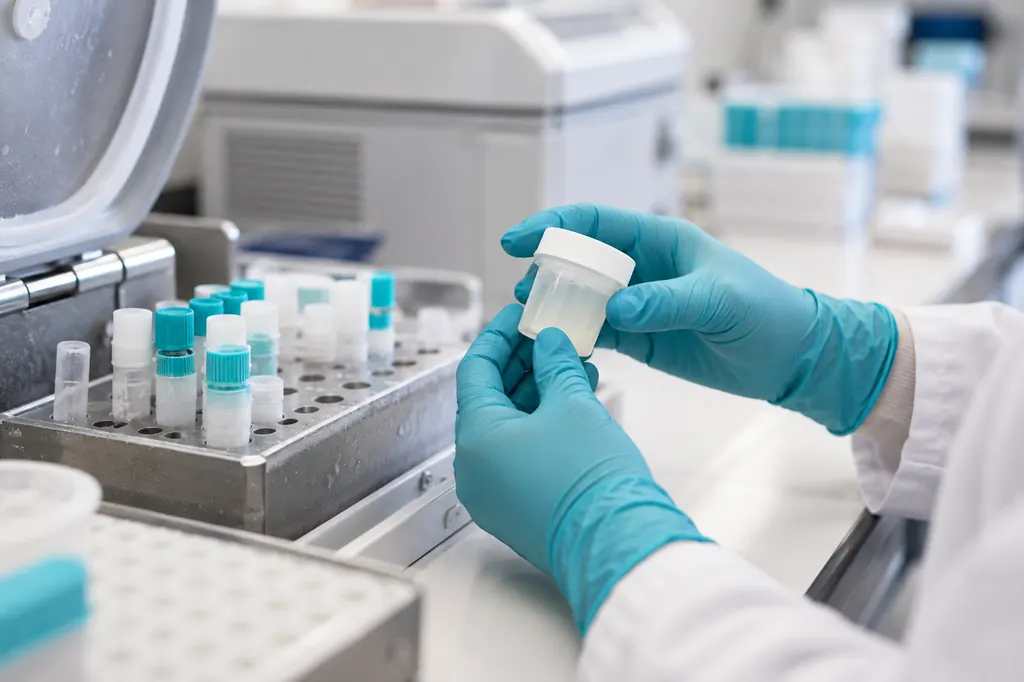
The semen sample is washed in the lab to concentrate active sperm.
Insemination
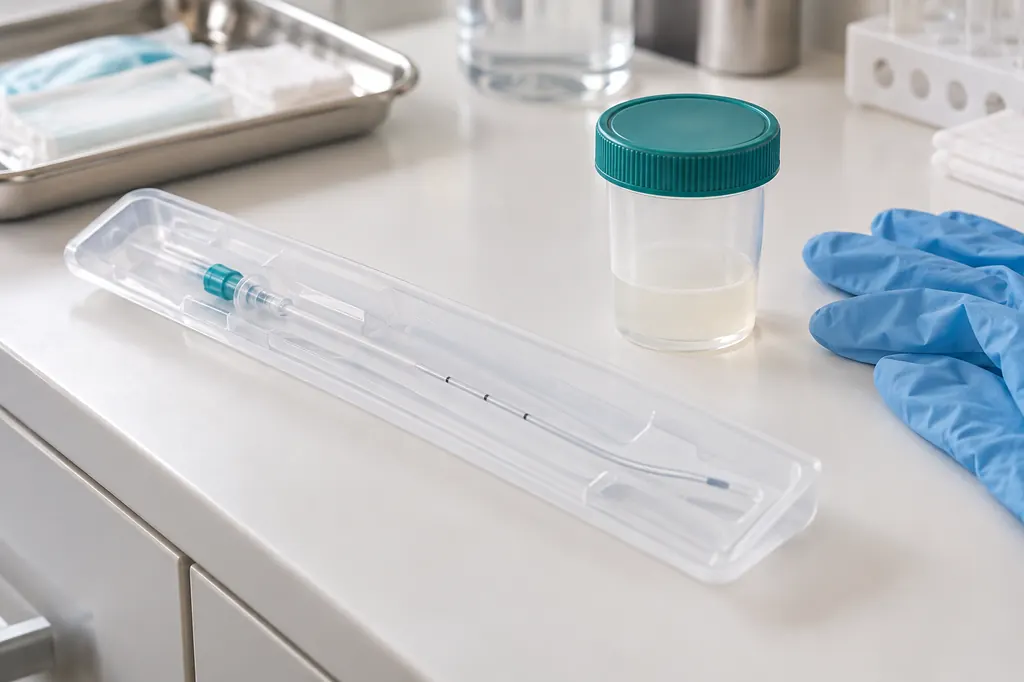
A thin, soft catheter passes through the cervix to place the sperm in the uterus.
Pregnancy test
About two weeks later.
What to expect
- It feels similar to a smear test; you can go back to normal activity the same day.
- Some spotting or mild cramps are common.
After insemination
- You can return to work and normal activities the same day.
- Mild cramps or spotting are common and settle quickly.
- Take a pregnancy test only when the clinic advises — testing early can give misleading results, especially after a trigger injection.
Benefits, limitations and risks
Benefits
- Simple, quick and needs no anaesthesia
- Lower cost per cycle than IVF
- Uses natural fertilisation inside the body
Limitations
- Lower chance per cycle than IVF
- Not suitable for blocked tubes or severe male factor
- Ovulation medicine can cause multiple pregnancy if not closely monitored
Risks and side effects
- Multiple pregnancy if ovulation medicine produces several follicles — cycles may be cancelled if too many grow.
- Mild infection or cramping (uncommon).
IUI success rate: what affects it
Per-cycle chances are lower than IVF and fall with the woman's age. If IUI has not worked after a few well-timed cycles, it is reasonable to discuss moving to IVF.
Alternatives to discuss
What affects the cost of IUI in Bangalore
- The clinic and city
- Whether ovulation medicine and a trigger injection are used
- Number of monitoring scans
- Donor sperm, if used
- Number of cycles tried
Before you start, ask for a written, itemised estimate that lists what is included and what could cost extra, such as medicines, freezing, storage and add-ons. Prices vary widely between clinics and cities. Estimate your costs with our calculator.
Questions to ask your doctor
- How many IUI cycles do you suggest before considering IVF?
- Will I take ovulation medicine, and how will you avoid multiple pregnancy?
- Has a tube test (HSG or laparoscopy) confirmed my tubes are open?
Frequently asked questions
What is the full form of IUI?
IUI stands for intrauterine insemination: washed sperm is placed inside the uterus around ovulation.
Is IUI painful?
Most people feel mild cramping at most. No anaesthesia is needed.
Do I need bed rest after IUI?
No. Resting has not been shown to improve results; you can carry on as normal.
IUI or IVF — which should we choose?
It depends on your age, your tubes, sperm quality and how long you have been trying. Ask your doctor to compare your expected chances over several IUI cycles with one IVF cycle.
How many IUI cycles should we try?
Often three to four well-monitored cycles before reassessing, though this depends on age and diagnosis.
Can IUI be done without medicines?
Yes, in a natural cycle, especially when using donor sperm with regular ovulation.
When should we take a pregnancy test after IUI?
Usually about 14 days after insemination. If you had a trigger injection, testing earlier can show a false positive.
Not sure if IUI is right for you?
See a fertility doctor at an IVF Pulse centre in Bangalore: Kalyan Nagar (HRBR Layout), RR Nagar and Rajajinagar (at Tamara Hospital). Nothing to pay when you book, and you can change the time on WhatsApp.