
Body fluid cell count (TC, DC)
Quick answer: This test counts the total white cells (TC) and the types of white cells (DC) in a body fluid such as spinal, joint, chest or belly fluid. It helps doctors tell infection, inflammation and other causes apart when fluid has built up or an infection like meningitis is suspected.
- SampleFluid
- TakesAbout 15 to 30 minutes for the fluid to be drawn
- Before the testThe fluid is collected by a doctor, who will explain any preparation.
How the test is done
- 1A doctor collects fluid with a needle, such as from a joint, chest, belly or spine
- 2The skin is cleaned and numbed first
- 3The fluid is placed in a tube with anticoagulant
- 4The lab counts the white cells and sorts them by type
What your results can mean
Reading your report
Results are read with fluid culture and chemistry; discuss them with your doctor.
If the result is outside the usual range
A high white cell count can point to infection, inflammation or sometimes cancer, and the cell type gives clues to the cause. Low counts usually suggest the fluid is not inflamed.
Who usually has this test
People with fluid around the lungs, in the belly or in a swollen joint, or with suspected meningitis.
Risks and aftercare
The site may be sore; report fever, redness, swelling or breathlessness.
Names and options
Also called: CSF cell count, fluid TC DC, fluid cytology count
Options
- Body fluid
- Cerebrospinal fluid (CSF)
Listed by the hospital as
- FLUID TC DC
- CELL COUNT (TC, DC), CSF
Questions about this test
Why are the different cell types counted?
Many neutrophils suggest bacterial infection, while many lymphocytes can suggest TB or a viral cause. The pattern helps doctors narrow down the cause.
What other tests are often done on the same fluid?
Sugar, protein, culture and sometimes checks for cancer cells are common. One sample can cover several tests.
Is fluid removal risky?
Serious problems are uncommon. Risks include bleeding, infection and, for chest fluid, a collapsed lung.
Related tests
Tamara Hospital & IVF Centre, Rajajinagar
34/3, 10th Cross Road, opp. Vardhaka Sardar Patel School, 1st N Block, 2nd Stage, Rajajinagar, Bengaluru 560010
The hospital is open 24 hours. Call before you come to check the timing for your scan or sample collection.
Get directions ↗IVF Pulse fertility care at Tamara Hospital →
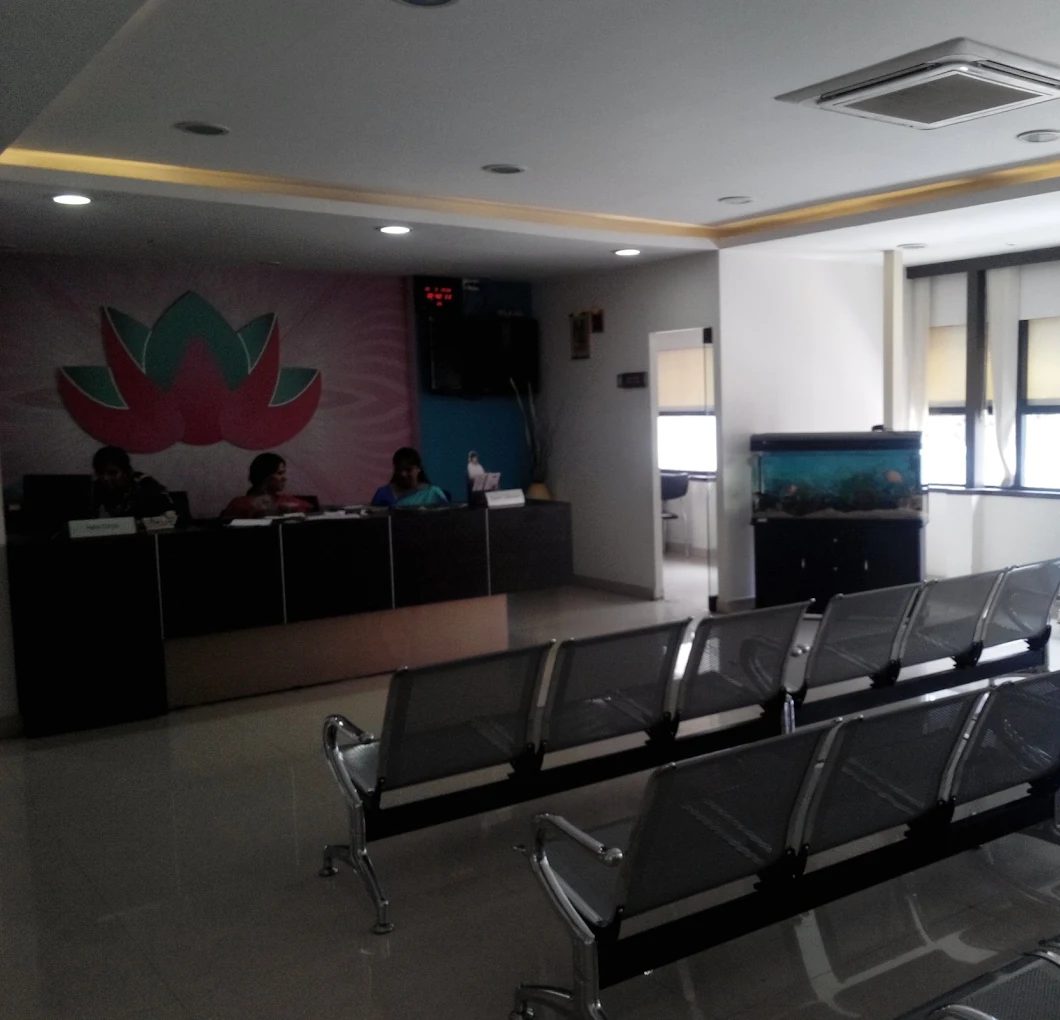 Reception
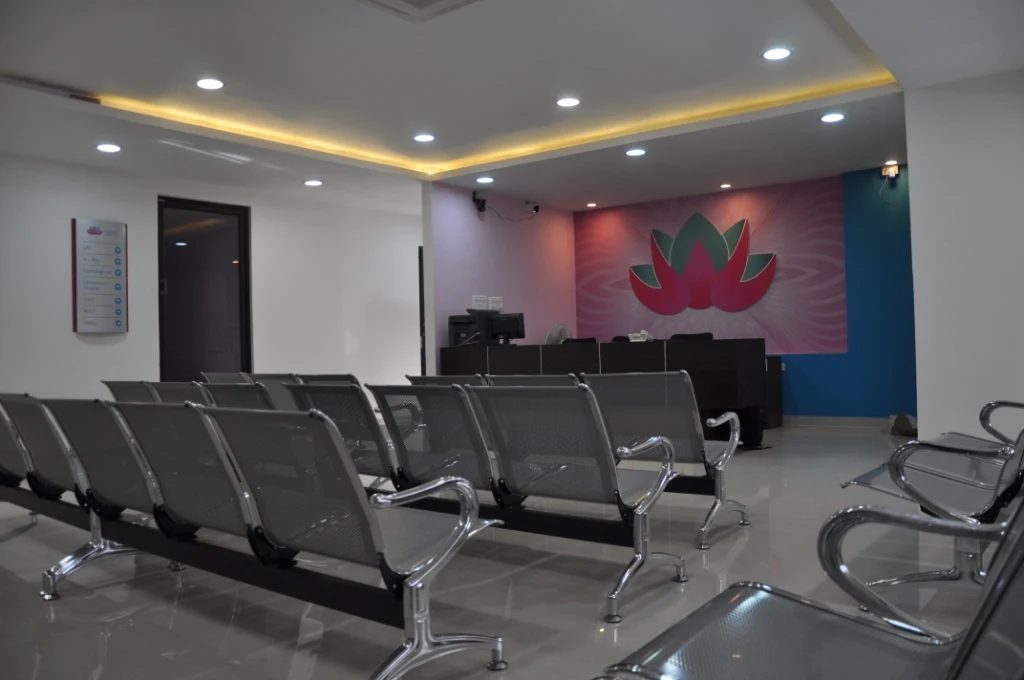 Waiting area
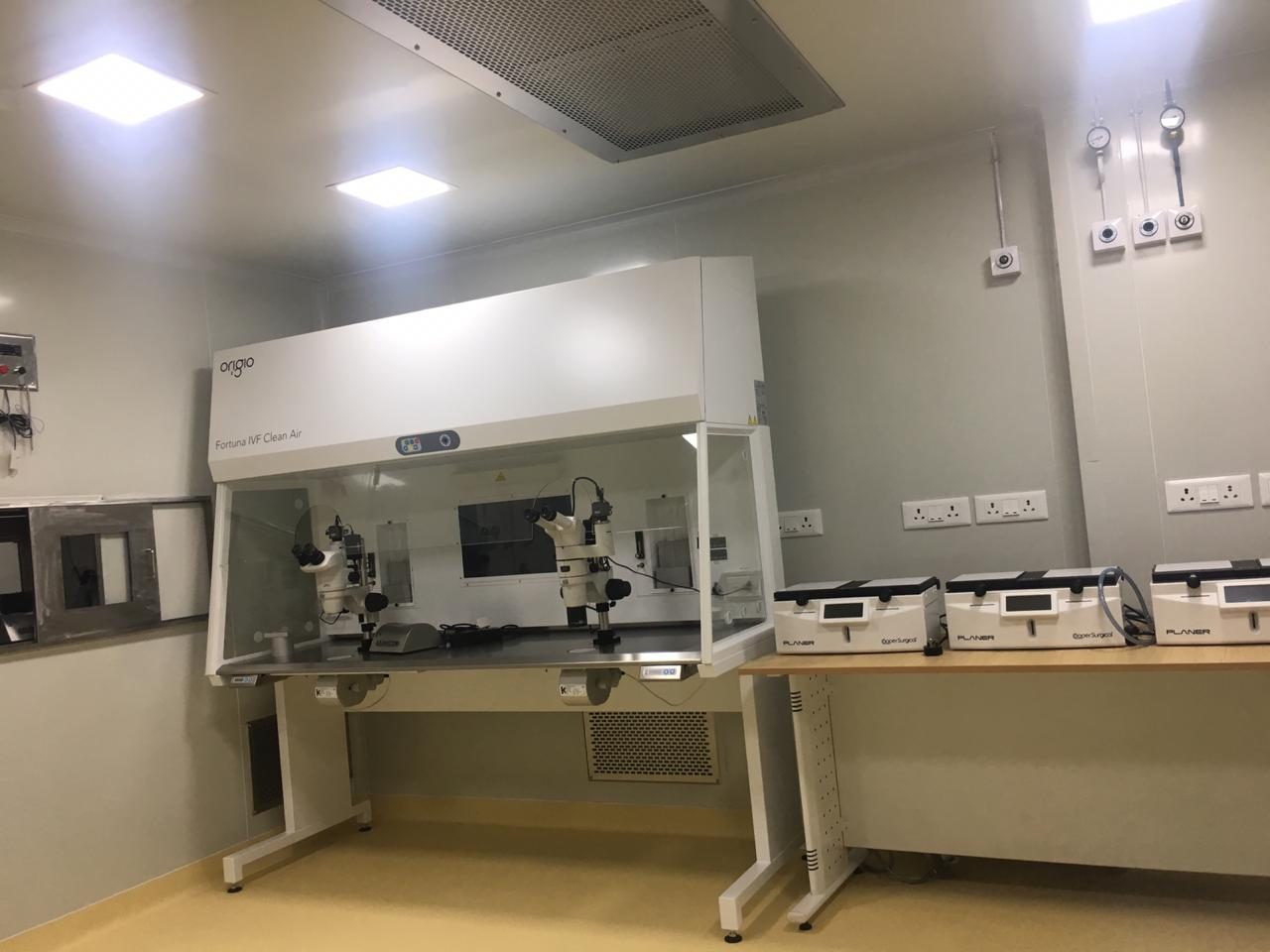 IVF lab
This page explains each test in general terms so you know what to expect. It is not medical advice: your doctor decides which tests you need and what your results mean. Reference ranges differ between laboratories. Updated 4 November 2026.