IVF treatment: the process, step by step
IVF treatment (in vitro fertilisation) collects eggs from the ovaries and fertilises them with sperm in a laboratory, then places one embryo in the uterus. The full IVF process, from the first injection to the pregnancy test, usually takes four to six weeks.
- Cycle length
- 4–6 weeks
- Egg collection
- 15–30 min, under sedation
- Embryo transfer
- A few minutes, no anaesthesia
- Pregnancy test
- About 2 weeks after transfer
What is IVF treatment?
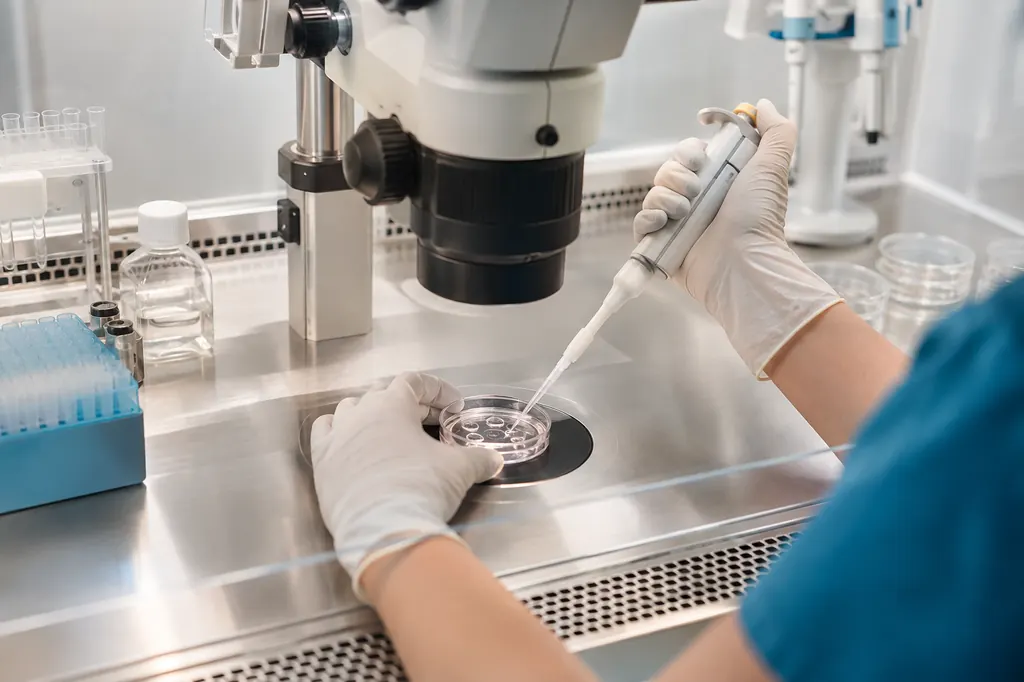
IVF is the most widely used assisted reproductive treatment. Instead of fertilisation happening in the fallopian tube, it happens in a laboratory dish, where embryologists can see whether eggs fertilise and how embryos develop. That visibility is why IVF can help with so many different causes of infertility.
A 'cycle' covers stimulation, egg collection, fertilisation and one embryo transfer. Good embryos that are not transferred can be frozen, so one egg collection may give more than one chance of pregnancy. When deciding whether IVF is worthwhile, many doctors therefore look at the chance of a baby from all the embryos of one collection, not just the first transfer.
Who IVF may help
- Blocked or damaged fallopian tubes
- Low sperm count or motility (often with ICSI)
- Endometriosis that has not responded to other treatment
- Unexplained infertility after other options
- Age-related decline in fertility
- Couples who want genetic testing of embryos, or who are using donor eggs or sperm
Good to know. IVF is not always the first step. If the tubes are open and sperm is adequate, ovulation induction or IUI may be tried first, depending on age and how long you have been trying.
How to prepare
- Both partners complete the basic tests: AMH and hormones, a pelvic scan, a semen analysis, and infection screening (HIV, hepatitis B and C, syphilis).
- Start folic acid at least a month before treatment if you are not already taking it.
- Stop smoking, keep alcohol low and aim for a healthy weight — each affects egg and sperm quality.
- Plan time for monitoring visits: usually 3–5 scans during stimulation, often early in the morning.
- Ask for a written treatment plan and a written estimate of costs before you start.
The IVF procedure, step by step
Assessment
Blood tests (including AMH), a pelvic scan and a semen analysis guide the plan and the medicine doses.
Ovarian stimulation
Daily hormone injections for about 8–14 days help several eggs mature. Scans and blood tests track the follicles.
Trigger injection
A final injection matures the eggs. Collection is timed for about 34–36 hours later.
Egg collection
Under sedation, a thin needle guided by ultrasound draws eggs from the follicles. Most people go home the same day.
Fertilisation
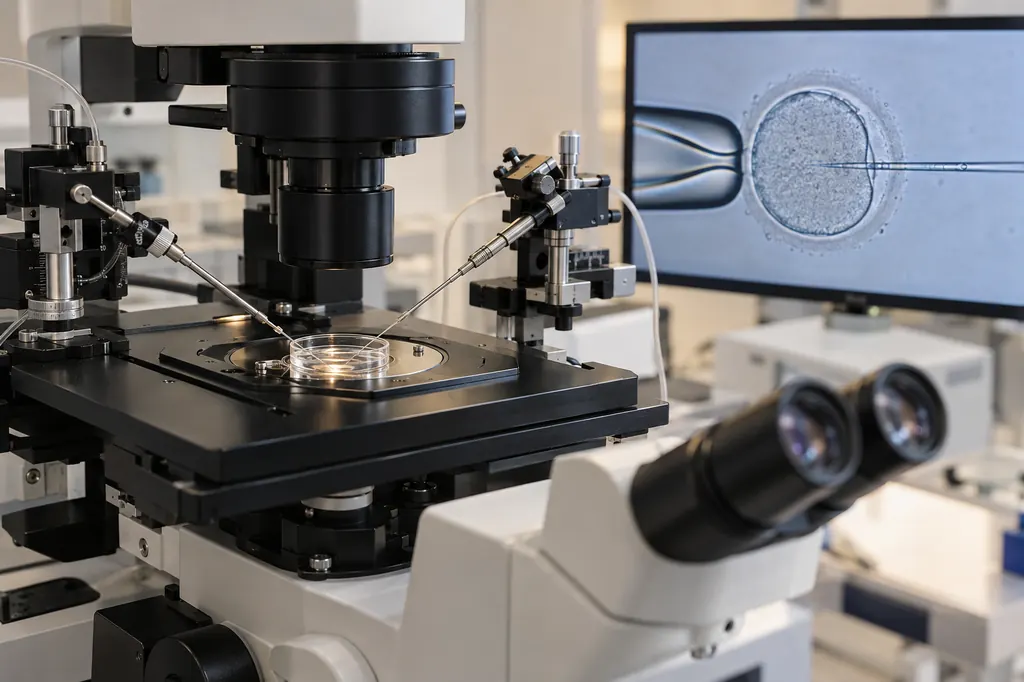
Eggs are mixed with sperm, or a single sperm is injected into each egg (ICSI). The lab checks fertilisation the next morning.
Embryo culture
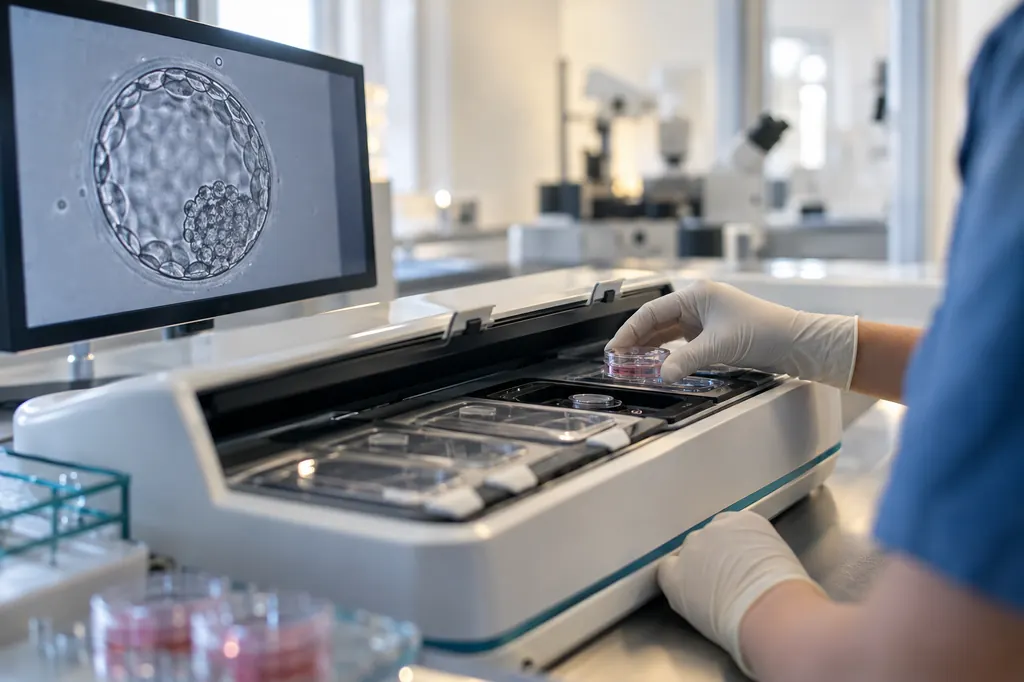
Embryos grow in an incubator for 3–5 days. The embryologist grades them to choose which to transfer.
Embryo transfer
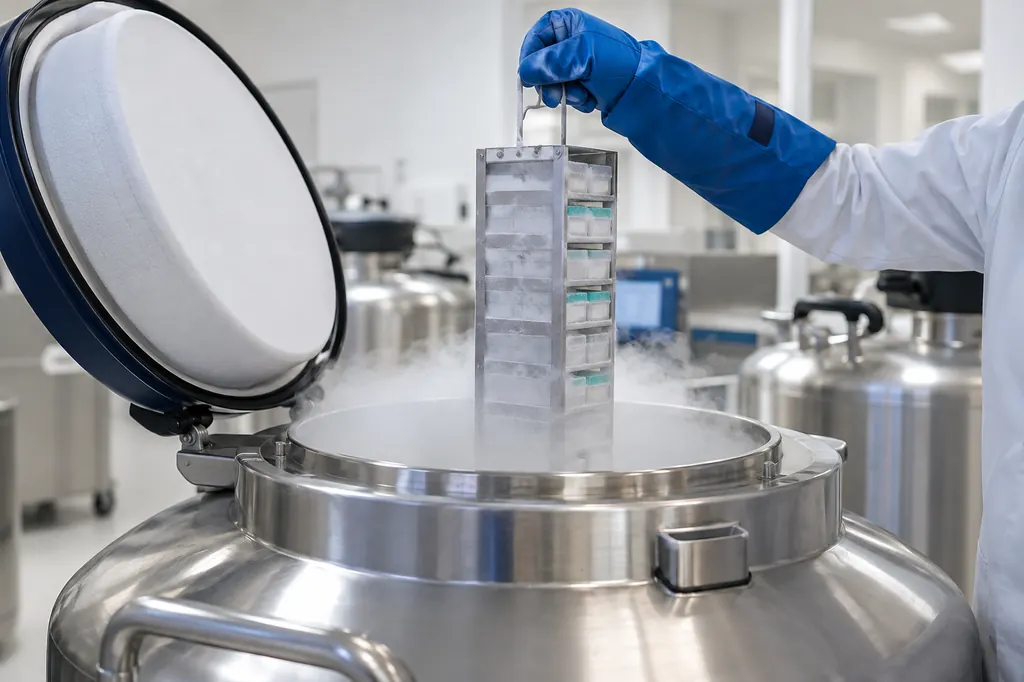
Usually one embryo is placed in the uterus through a thin catheter. Good-quality extra embryos can be frozen.
Pregnancy test
A blood test for beta hCG about 10–14 days after transfer.
What to expect
- Injections are small and given under the skin; most people learn to do them at home.
- Expect bloating and mild cramps around egg collection; most return to work in a day or two.
- The two-week wait after transfer is often the hardest part emotionally.
After egg collection and transfer
- Rest for the remainder of the day after egg collection; most people return to work in one or two days.
- Bed rest after embryo transfer is not needed — normal daily activity is fine.
- Continue any progesterone support exactly as prescribed until your doctor tells you to stop.
- Call the clinic urgently for severe abdominal pain, breathlessness, vomiting or reduced urine, which can be signs of OHSS.
Benefits, limitations and risks
Benefits
- Works for many causes, including blocked tubes and male factor
- Shows whether eggs fertilise and how embryos develop
- Spare embryos can be frozen for later transfers
- Allows single embryo transfer, lowering the chance of twins
Limitations
- It cannot overcome the effect of age on egg quality
- Several cycles may be needed
- It is more invasive and costly than IUI or ovulation induction
Risks and side effects
- Ovarian hyperstimulation syndrome (OHSS): usually mild, rarely serious. Tell the clinic about severe bloating, breathlessness or reduced urine.
- Multiple pregnancy if more than one embryo is transferred — the main reason clinics recommend a single embryo.
- Small risks from egg collection: bleeding or infection.
- Emotional strain and cost, especially if more than one cycle is needed.
IVF success rate: what affects it
The single biggest factor is the age of the woman whose eggs are used. Embryo quality, the cause of infertility, the number of embryos available and the lab all matter too. Ask any clinic for its live birth rate per embryo transfer for your age group, not its 'pregnancy rate'.
Alternatives to discuss
What affects the cost of IVF in Bangalore
- The clinic and city
- Medicines, which vary with dose and protocol
- Tests and scans needed before and during treatment
- ICSI, embryo freezing, storage and any add-ons
- How many cycles or frozen transfers are needed
Before you start, ask for a written, itemised estimate that lists what is included and what could cost extra, such as medicines, freezing, storage and add-ons. Prices vary widely between clinics and cities. Estimate your costs with our calculator.
Questions to ask your doctor
- How many cycles do you expect I will need, given my age and AMH?
- What is your live birth rate per transfer for women my age?
- Will you transfer one embryo or more, and why?
- Which add-ons do you recommend, and what is the evidence for each?
- What is included in the quoted price, and what costs extra?
Frequently asked questions
What is the full form of IVF?
IVF stands for in vitro fertilisation. 'In vitro' means 'in glass': eggs and sperm are brought together in a laboratory dish rather than inside the body.
What is the cost of IVF treatment in Bangalore?
It varies widely between clinics and depends on medicine doses, tests, ICSI, embryo freezing, add-ons and how many cycles you need. Ask for a written, itemised estimate, and use our IVF cost calculator to plan.
How many injections are needed for IVF?
Usually one or two small injections a day for about 8–14 days, plus a trigger injection. Your exact plan depends on your protocol.
Is IVF painful?
The injections sting briefly. Egg collection is done under sedation. Transfer feels like a smear test. Most people describe cramps rather than pain.
How many IVF cycles are usually needed?
Many couples conceive in one or two cycles, but some need more. Your age and the number of good embryos are the best guides; ask your doctor to estimate your chances over several cycles.
Can we choose the sex of the baby?
No. Sex selection is illegal in India under the PC&PNDT Act, and registered clinics will not do it.
Does IVF increase the risk of birth defects?
Studies show a small increase in some risks compared with natural conception, partly linked to the underlying cause of infertility. Most babies born after IVF are healthy.
Can I work during IVF?
Yes. Most people keep working; you will need flexibility for morning scans and a day or two off around egg collection.
Who can have IVF in India?
Under the ART Act 2021, clinics provide treatment to infertile married couples and to women above 21. The law sets age limits of 21–50 for women and 21–55 for men.
Not sure if IVF is right for you?
See a fertility doctor at an IVF Pulse centre in Bangalore: Kalyan Nagar (HRBR Layout), RR Nagar and Rajajinagar (at Tamara Hospital). Nothing to pay when you book, and you can change the time on WhatsApp.