
Sterility swab culture (infection control)
Quick answer: This test grows bacteria from swabs of surfaces, equipment, or staff hands and noses to check how clean or sterile they are. It is an infection-control check used by hospitals and labs, not a routine test for patients.
- SampleSwab
- TakesA minute or two per swab
- Before the testNo patient preparation is needed.
How the test is done
- 1Sterile swabs are moistened if needed
- 2Surfaces, equipment, hands or noses are swabbed in a set pattern
- 3The swabs are placed in transport tubes
- 4The lab cultures them and counts any growth
What your results can mean
Reading your report
Results are compared with the hospital's infection-control standards.
If the result is outside the usual range
Growth can point to areas, equipment or people that need extra cleaning or treatment to clear germs they carry, such as MRSA. No growth suggests the area was clean at the time.
Who usually has this test
Hospitals, labs, operating theatres and staff checked as part of infection control.
Risks and aftercare
There are no risks, though a nose swab may tickle.
Names and options
Also called: surface swab culture, hand swab culture, environmental swab
Options
- Sterility swabs (general)
- Hands
- Nose
- Table or surface
Listed by the hospital as
- STERILITY SWABS CULTURE
- STERILITY SWAB FOR HANDS
- STERILITY SWAB FOR NOSE
- STERILITY SWAB FOR TABLE
Questions about this test
Why are staff noses swabbed?
Some people carry bacteria such as Staphylococcus aureus in the nose without being ill. Finding carriers helps prevent spread in hospitals.
Is the sterility swab test for patients?
Mostly no, it is part of hospital infection control. Some patients may be screened before surgery.
What happens if growth is found?
The area is cleaned again and retested, or staff may be given treatment to clear the germs. This is part of routine safety checks.
Related tests
Tamara Hospital & IVF Centre, Rajajinagar
34/3, 10th Cross Road, opp. Vardhaka Sardar Patel School, 1st N Block, 2nd Stage, Rajajinagar, Bengaluru 560010
The hospital is open 24 hours. Call before you come to check the timing for your scan or sample collection.
Get directions ↗IVF Pulse fertility care at Tamara Hospital →
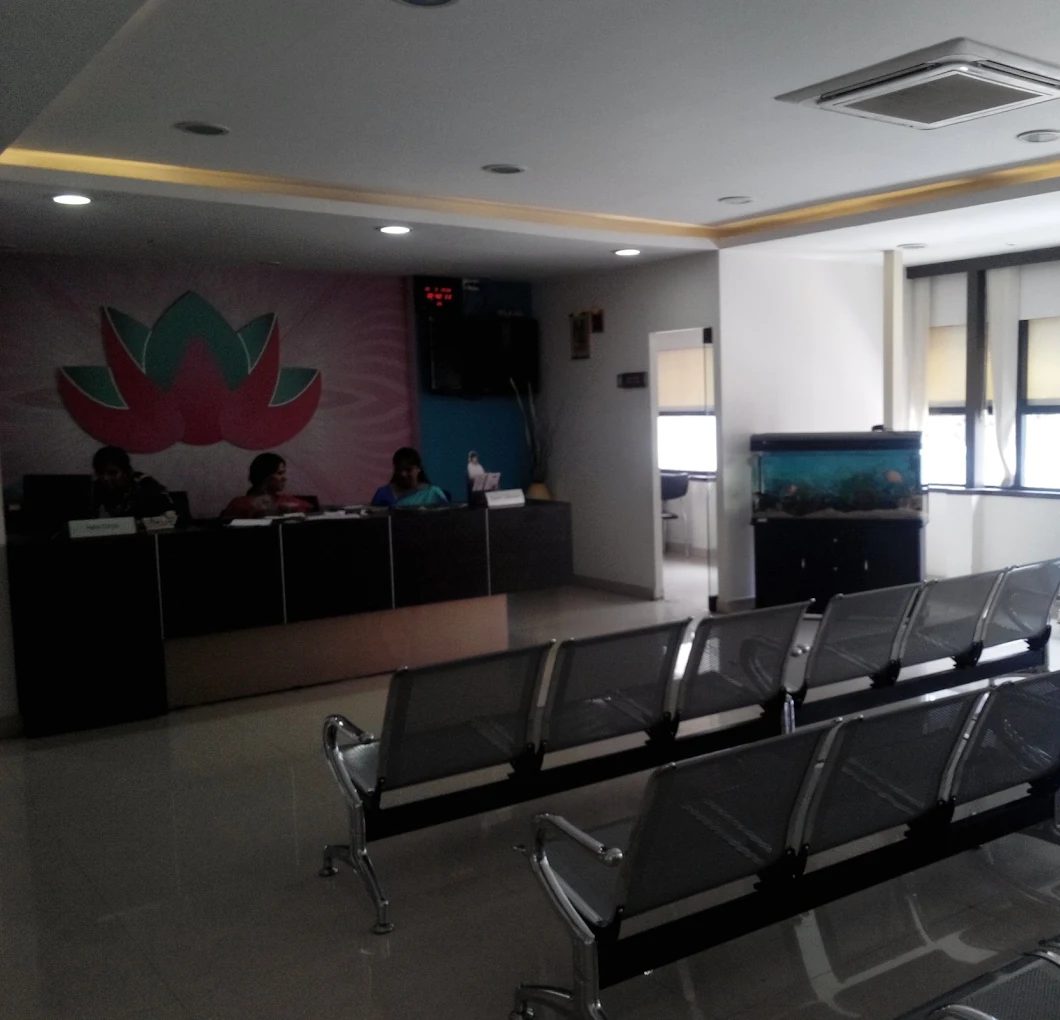 Reception
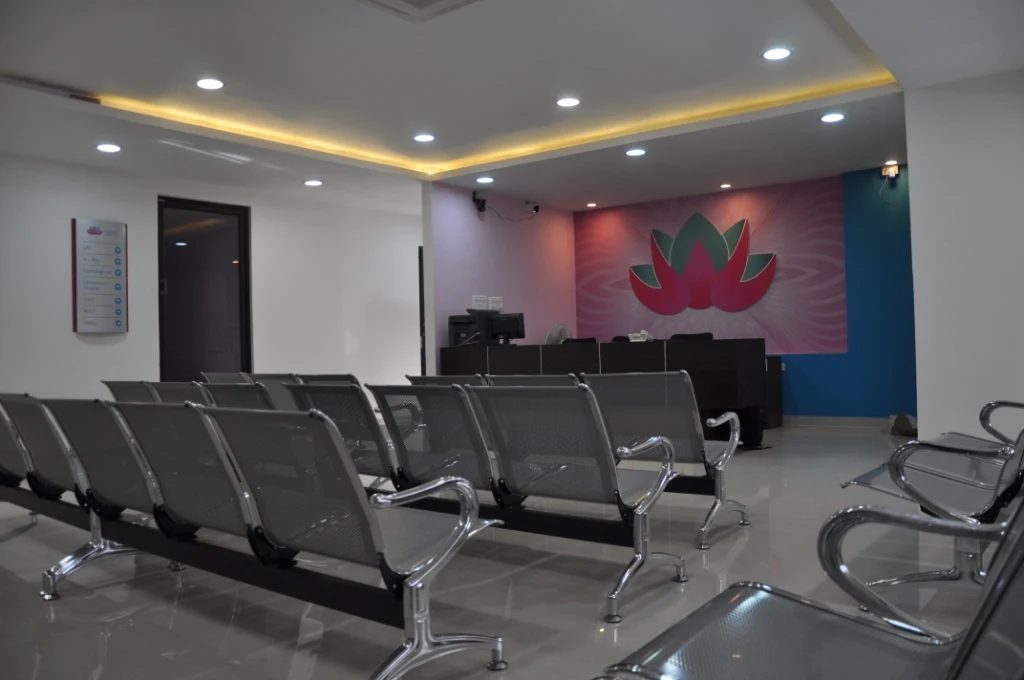 Waiting area
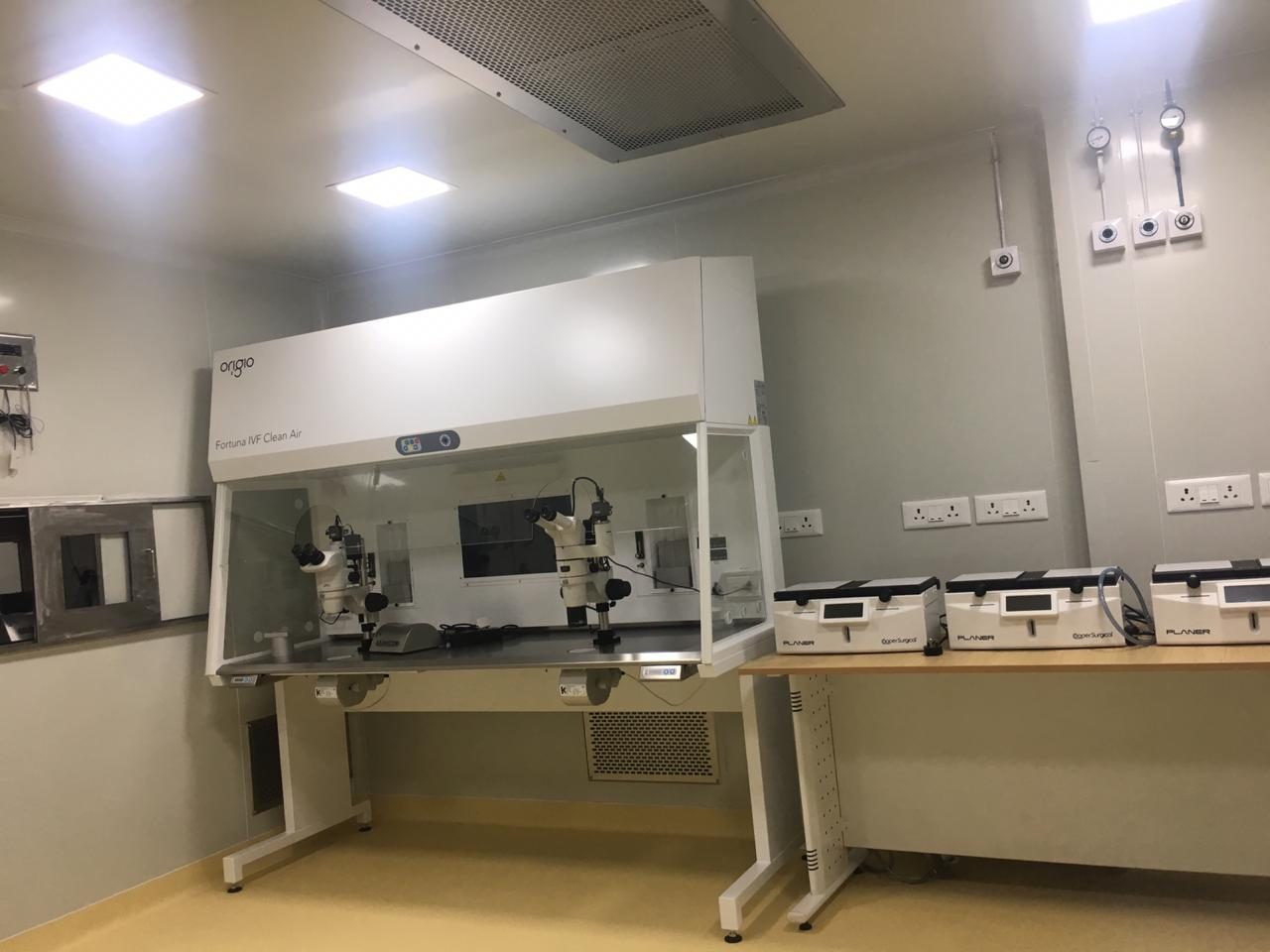 IVF lab
This page explains each test in general terms so you know what to expect. It is not medical advice: your doctor decides which tests you need and what your results mean. Reference ranges differ between laboratories. Updated 4 November 2026.