
Gram stain
Quick answer: A Gram stain is a quick microscope test that shows whether bacteria are present in a sample and what type they are. It gives early clues about an infection, often while waiting for culture results.
- SampleSwab, fluid, pus, sputum or other sample
- TakesA few minutes to collect the sample
- Before the testNo special preparation is usually needed; follow the lab's instructions for your sample type.
How the test is done
- 1A sample such as pus, fluid or a swab is collected
- 2The lab spreads it thinly on a slide
- 3The slide is stained with a series of dyes
- 4Bacteria show as purple (Gram positive) or pink (Gram negative)
What your results can mean
Reading your report
Results describe the bacteria and cells seen; a culture usually confirms the exact organism.
If the result is outside the usual range
Bacteria seen on the stain can point to an infection and suggest which antibiotics to start. A negative stain does not rule out infection, and culture is used to confirm.
Who usually has this test
People with suspected infections where a quick early clue helps guide treatment.
Risks and aftercare
This depends on how the sample is collected; a swab carries no risk.
Names and options
Also called: Gram's staining, Gram smear
Listed by the hospital as
- GRAMS STAINING
Questions about this test
What do Gram positive and Gram negative mean?
They describe how bacteria take up the stain, which reflects the structure of their cell wall. This helps doctors choose antibiotics before culture results are ready.
Can a Gram stain diagnose bacterial vaginosis?
Yes, a Gram-stained vaginal smear is a standard way to diagnose bacterial vaginosis. The lab uses a scoring method based on the bacteria seen.
Is a Gram stain the same as a culture?
No, it is a quick look under the microscope. A culture grows the germ to identify it and test antibiotics.
Related tests
Tamara Hospital & IVF Centre, Rajajinagar
34/3, 10th Cross Road, opp. Vardhaka Sardar Patel School, 1st N Block, 2nd Stage, Rajajinagar, Bengaluru 560010
The hospital is open 24 hours. Call before you come to check the timing for your scan or sample collection.
Get directions ↗IVF Pulse fertility care at Tamara Hospital →
 Reception
 Waiting area
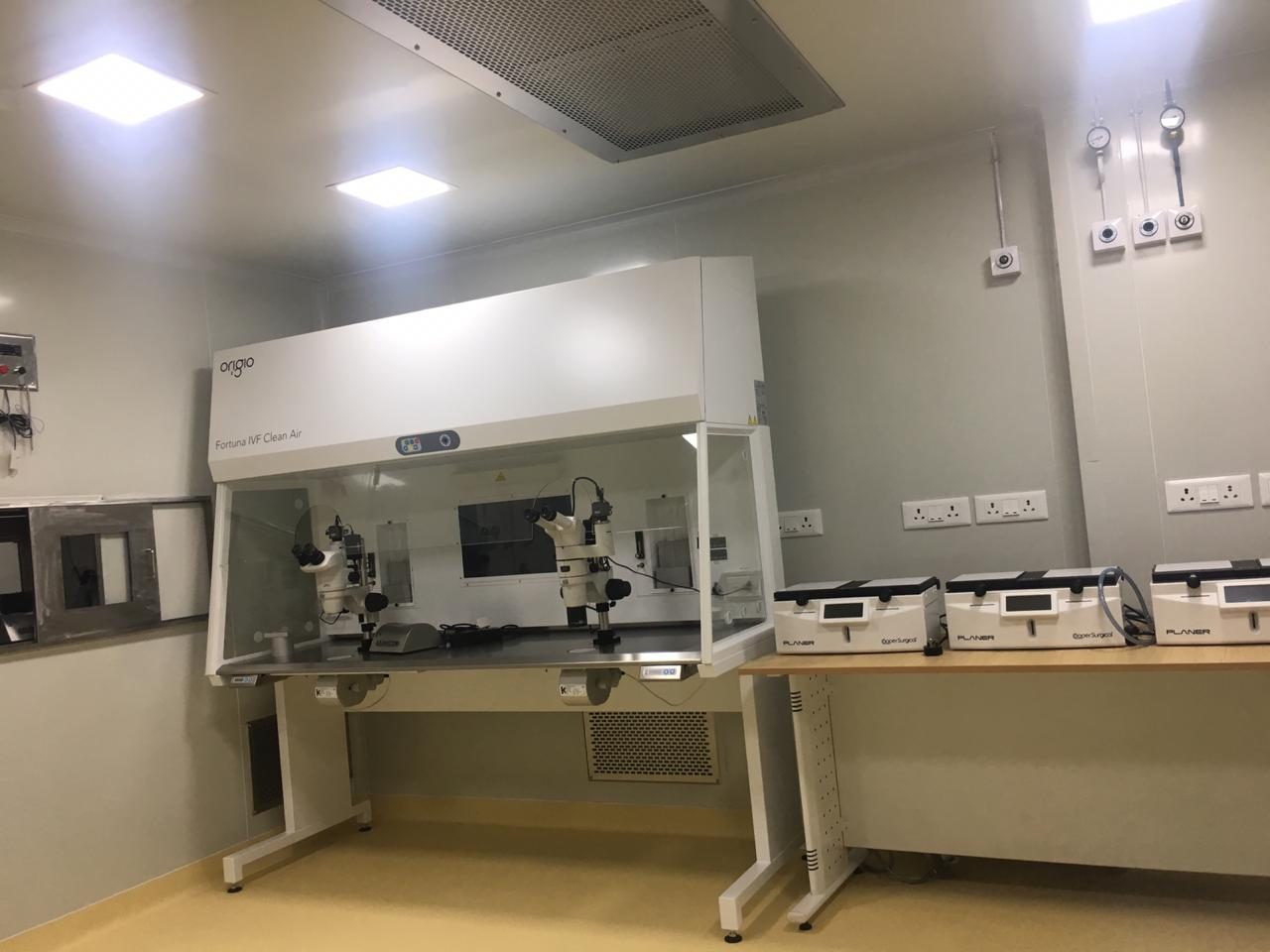 IVF lab
This page explains each test in general terms so you know what to expect. It is not medical advice: your doctor decides which tests you need and what your results mean. Reference ranges differ between laboratories. Updated 4 November 2026.