Micro-TESE: surgical sperm retrieval for azoospermia
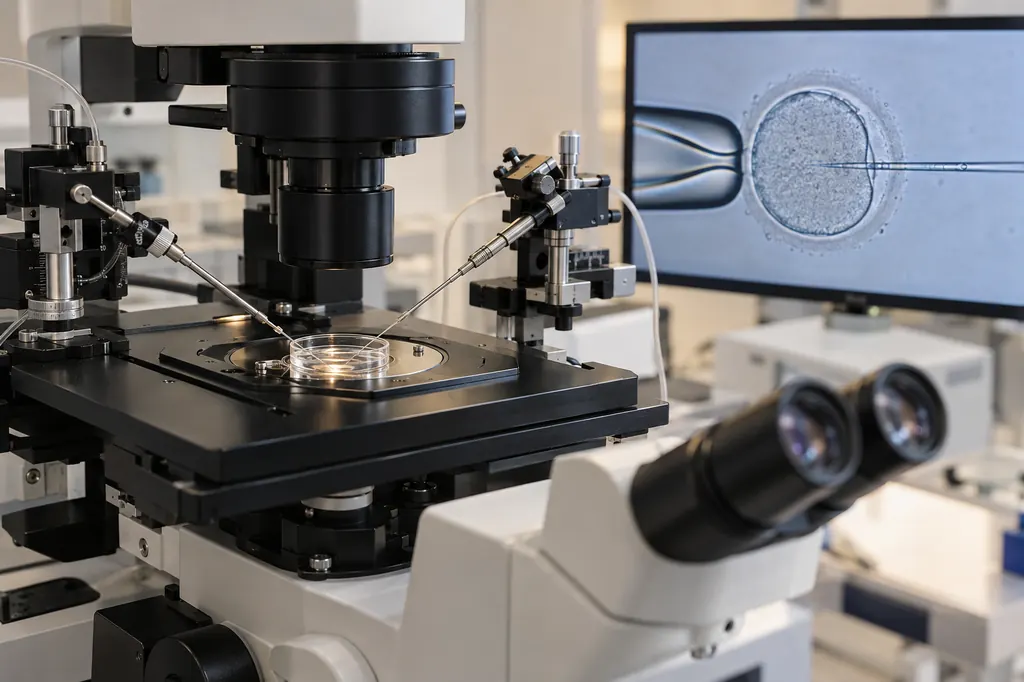
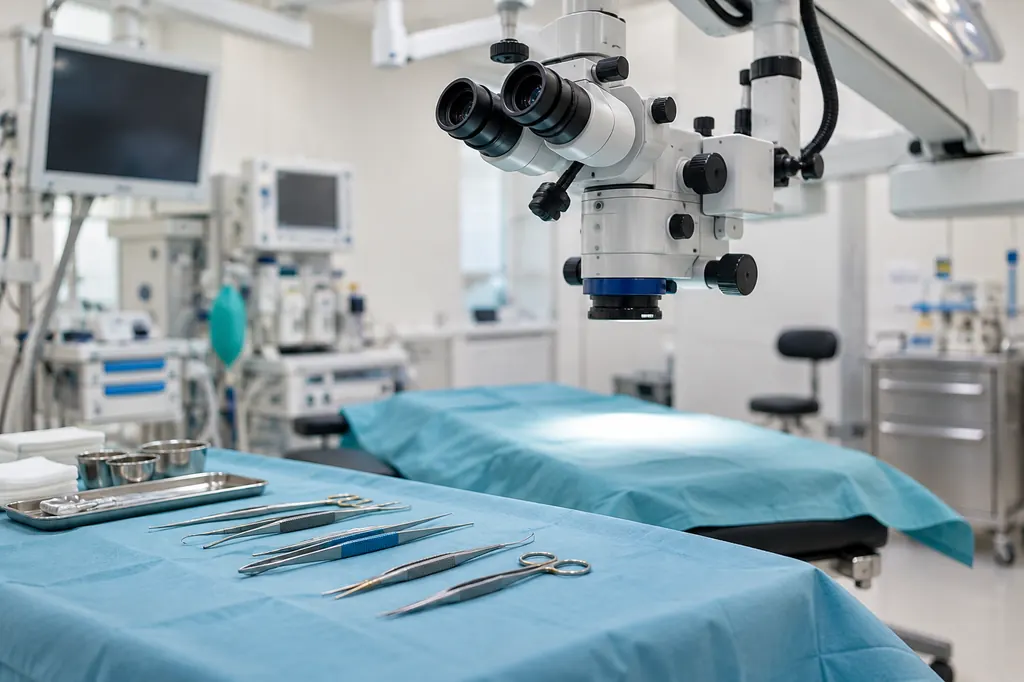
Micro-TESE (microdissection testicular sperm extraction) uses an operating microscope to find small areas of the testes where sperm are still being made, in men with no sperm in the semen because of low production. Any sperm found can be used for ICSI.
- Anaesthesia
- General or spinal
- Time
- About 1–3 hours
- Recovery
- About 1–2 weeks
- Sperm used with
- ICSI
What is Micro-TESE?
About 1 in 100 men has no sperm in the semen (azoospermia). When the cause is a blockage, sperm can usually be retrieved easily. When the testes produce very little sperm (non-obstructive azoospermia), there may still be small islands of sperm production scattered within the testis.
Micro-TESE uses an operating microscope at high magnification to find the slightly larger, fuller tubules that are more likely to contain sperm. This targets the search and removes less tissue than older random biopsies. Any sperm found are used fresh for ICSI or frozen.
Who Micro-TESE may help
- Non-obstructive azoospermia (no sperm because of low production)
- Men in whom earlier needle or open biopsy found no sperm
- Some men with Klinefelter syndrome
Good to know. Obstructive azoospermia (a blockage with normal production) usually needs a simpler retrieval. Hormone and genetic tests come first; some genetic results mean sperm will not be found.
How to prepare
- Hormone tests (FSH, LH, testosterone), genetic tests (karyotype and Y-chromosome microdeletion) and an examination by a urologist.
- Some men are offered hormone treatment for some months beforehand; evidence of benefit is limited.
- Plan with the IVF team whether surgery will be on the day of the partner's egg collection or sperm will be frozen.
- Discuss in advance what you will do if no sperm are found.
The micro-TESE procedure, step by step
Assessment
Hormone tests, genetic tests (karyotype, Y-chromosome) and a urologist's examination.
Planning with IVF
Often timed with the partner's egg collection, or sperm is frozen.
Surgery
Under a microscope, the surgeon looks for and removes small tubules likely to contain sperm.
Lab search
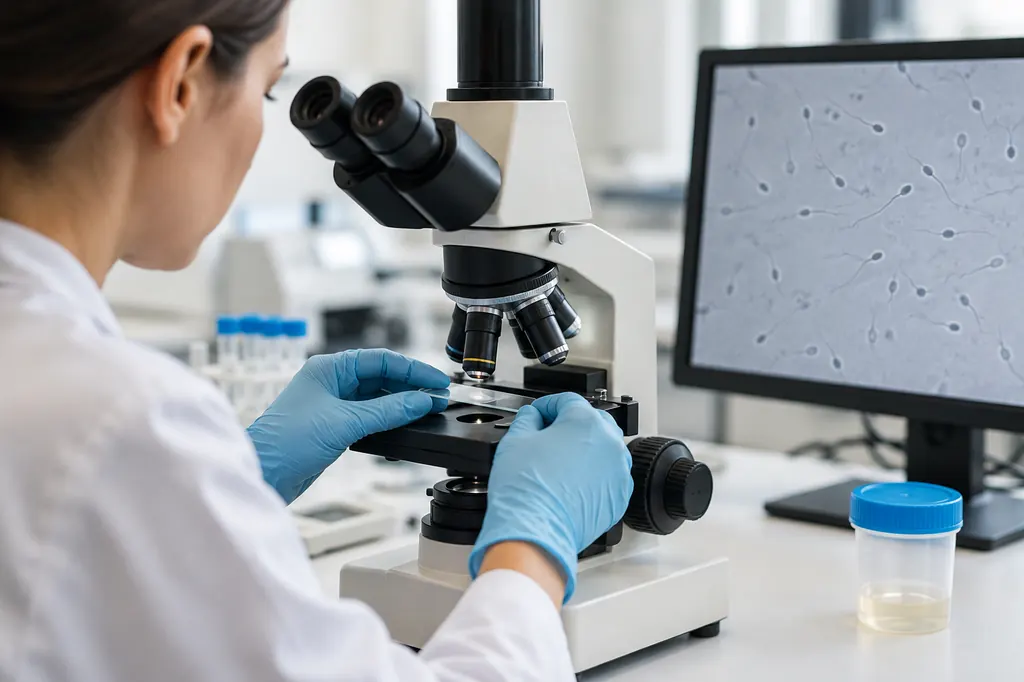
Embryologists search the tissue for sperm, which can take hours.
Use or freeze
Sperm found are used for ICSI or frozen.
What to expect
- Swelling and discomfort for several days; supportive underwear and pain relief help.
- Avoid strenuous activity for about two weeks.
Recovery and aftercare
- Wear supportive underwear and use cold packs for the first days.
- Take pain relief as advised; swelling settles over one to two weeks.
- Avoid heavy lifting and sport for about two weeks, and intercourse until healed.
- Seek help for increasing swelling, fever or bleeding.
Benefits, limitations and risks
Benefits
- Can find sperm when none appear in the semen
- Allows the man to be the genetic father via ICSI
- Removes less tissue than older biopsy methods
Limitations
- Sperm are not always found
- Surgery under anaesthesia with recovery time
- Possible temporary drop in testosterone
- Certain genetic results mean sperm will not be found
Risks and side effects
- Bleeding, infection or swelling.
- Possible temporary fall in testosterone.
- Sperm may not be found — counselling about donor sperm is usually offered beforehand.
What affects success
Sperm are found in a substantial proportion of men with non-obstructive azoospermia, but not all. Chances depend on the cause and the surgeon's experience.
Alternatives to discuss
What affects the cost of Micro-TESE in Bangalore
- Surgeon and theatre charges
- Anaesthesia
- Laboratory search and sperm freezing
- The partner's IVF/ICSI cycle
Before you start, ask for a written, itemised estimate that lists what is included and what could cost extra, such as medicines, freezing, storage and add-ons. Prices vary widely between clinics and cities. Estimate your costs with our calculator.
Questions to ask your doctor
- What genetic tests should I have first?
- How often do you find sperm in men with my diagnosis?
- Will the procedure be timed with my partner's egg collection?
Frequently asked questions
What is the difference between TESE and micro-TESE?
TESE removes small samples of testicular tissue to look for sperm. Micro-TESE uses an operating microscope to target the tubules most likely to contain sperm, finding sperm more often in non-obstructive azoospermia while removing less tissue.
What is azoospermia?
No sperm in the semen. It can be caused by a blockage (obstructive) or by low sperm production in the testes (non-obstructive).
Is micro-TESE painful?
It is done under anaesthesia. Afterwards there is soreness and swelling for some days, managed with pain relief.
What if no sperm are found?
Your doctor will discuss options, which may include donor sperm. Counselling before surgery helps you prepare for either outcome.
How long does micro-TESE take?
Usually one to three hours, plus time in the lab to search the tissue.
Can micro-TESE be repeated?
Yes, in some cases, usually after several months to allow healing.
Not sure if Micro-TESE is right for you?
See a fertility doctor at an IVF Pulse centre in Bangalore: Kalyan Nagar (HRBR Layout), RR Nagar and Rajajinagar (at Tamara Hospital). Nothing to pay when you book, and you can change the time on WhatsApp.