DFI test: sperm DNA fragmentation, and its limits
The DFI test (DNA fragmentation index) measures how many sperm carry damaged DNA. A high result has been linked with lower natural pregnancy rates and miscarriage in some studies, but the test is not standardised and guidelines do not recommend it routinely.
- Sample
- Semen, like a routine analysis
- Result
- % of sperm with fragmented DNA
- Routine?
- No — selected cases
- Evidence
- Mixed
What is a DFI test?
Each sperm carries a copy of the father's DNA. If that DNA is broken into fragments, the egg can repair some damage, but higher levels have been associated with lower natural pregnancy rates and with miscarriage in some studies.
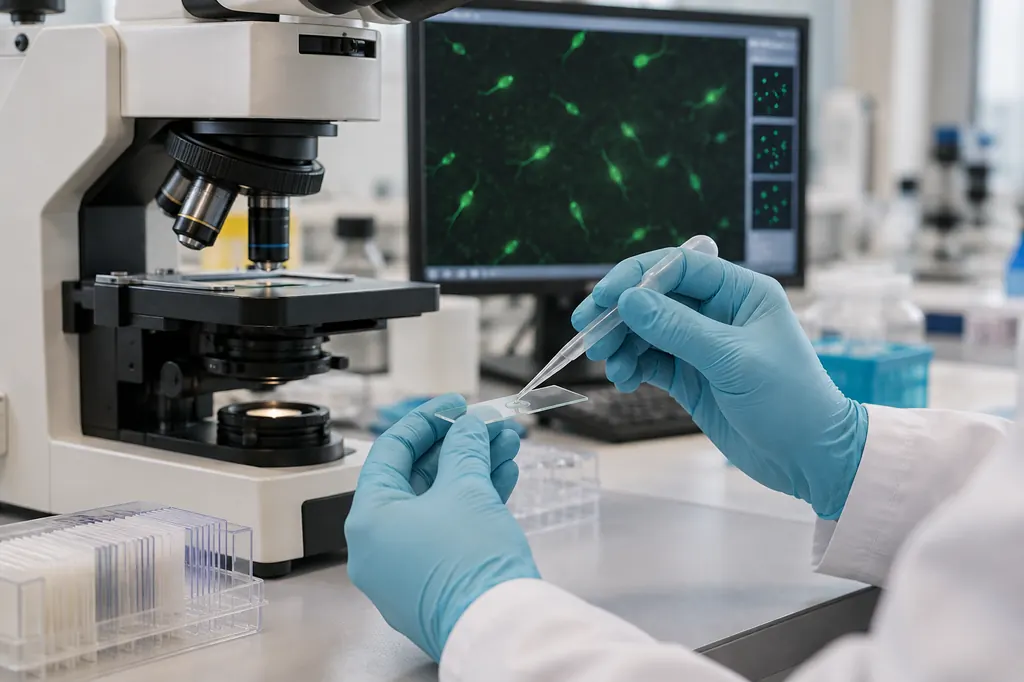
The sperm DNA fragmentation index (DFI) estimates the percentage of sperm with damaged DNA. Several methods exist and each has its own reference ranges, which is one reason guidelines treat it as a test for selected situations rather than a routine part of every workup.
Who Sperm DNA test may help
- Recurrent miscarriage
- Repeated IVF or IUI failure without another explanation
- Men with varicocele or other risk factors
- Unexplained infertility after full testing
Good to know. A normal semen analysis does not rule out DNA damage, but a high DFI does not by itself predict that IVF will fail. Discuss what you would do differently with the result before testing.
How to prepare
- Abstain from ejaculation for 2–7 days, as for a semen analysis.
- Ask the lab which method it uses and its reference range.
- Agree with your doctor beforehand what you will do with a high result.
How the DFI test is done
Sample
Collected as for semen analysis, after 2–7 days' abstinence.
Lab test
Methods such as SCSA, TUNEL or SCD estimate DNA damage.
Report
Usually as a percentage; cut-offs vary between methods and labs.
Plan
Your doctor looks for causes and treatable factors.
Understanding your results
- Below the lab's cut-off
- Sperm DNA fragmentation is not likely to be a major factor.
- Above the lab's cut-off
- Look for causes — smoking, heat, infection, varicocele, high BMI — and discuss whether treatment would change.
- Method matters
- SCSA, TUNEL and SCD give different numbers; compare results only within the same method.
What to expect on the day
- The test feels like a routine semen analysis.
Benefits, limitations and risks
Benefits
- May explain recurrent miscarriage or repeated failure in some couples
- Can prompt lifestyle and medical changes
Limitations
- Not standardised between labs
- A high result does not reliably predict IVF outcome
- Proposed treatments have limited evidence
Risks and side effects
- None physically. The main risk is acting on an uncertain result with costly add-ons.
What the results mean for treatment
Lifestyle changes (stopping smoking, losing weight, avoiding heat) and treating a varicocele may lower DNA damage. Whether specific IVF techniques improve live births in men with high DFI is still uncertain.
Alternatives to discuss
What affects the price of a sperm dna test
- Test method and lab
- Repeat testing after lifestyle changes
Before you book, ask the lab or clinic for the price of each test, whether repeat tests cost extra, and how soon results will be ready. Prices vary between labs and cities.
Questions to ask your doctor
- Which test method does your lab use, and what is its cut-off?
- What would we do differently if the result is high?
- Are there treatable causes we should check first?
Frequently asked questions
What is the full form of DFI?
DFI stands for DNA fragmentation index: the percentage of sperm in a sample whose DNA is broken.
What is a normal DFI value?
Cut-offs depend on the method; many labs use around 30% for SCSA. Ask your lab what their reference range is.
Can DNA fragmentation be reduced?
Sometimes. Stopping smoking, reducing heat exposure, losing weight and treating infections or a varicocele may help.
Should every man have a DFI test?
No. Guidelines suggest it only in selected cases, such as recurrent miscarriage or repeated treatment failure.
Does ICSI help with high DFI?
Some clinics recommend ICSI or testicular sperm, but evidence that this improves live birth is limited and mixed.
Do antioxidants reduce DNA fragmentation?
Some studies suggest small improvements, but high-quality evidence of more babies is lacking.
Not sure if Sperm DNA test is right for you?
See a fertility doctor at an IVF Pulse centre in Bangalore: Kalyan Nagar (HRBR Layout), RR Nagar and Rajajinagar (at Tamara Hospital). Nothing to pay when you book, and you can change the time on WhatsApp.