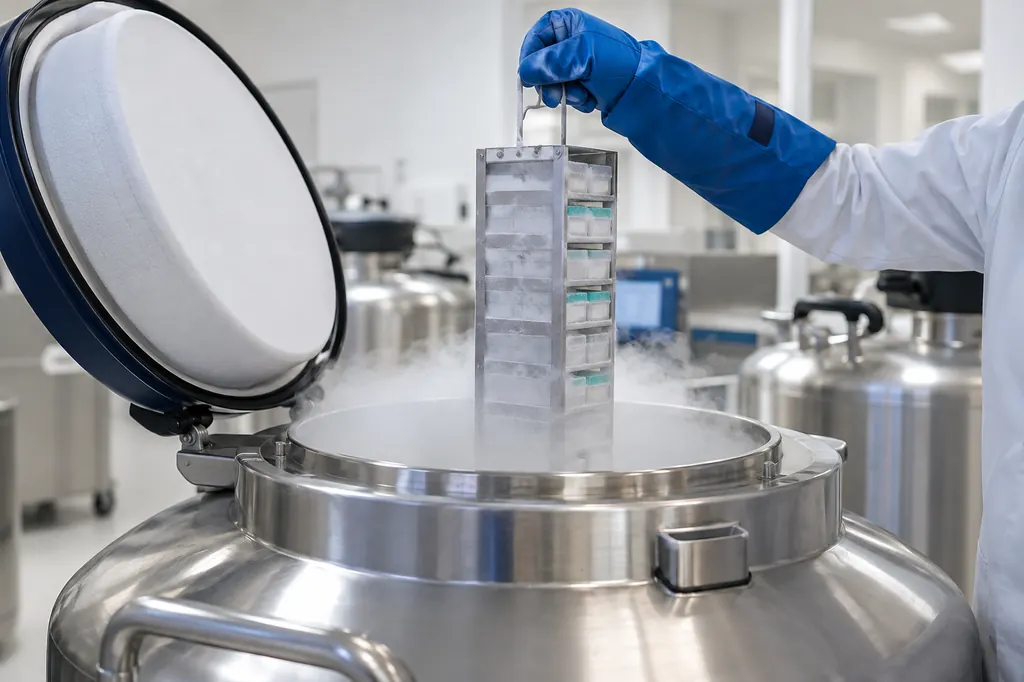
Embryo donation rules in India: what the law allows
Embryo donation rules in India are set by the ART (Regulation) Act 2021, which prohibits the transfer or use of embryos by anyone other than the couple who created them. Donating spare embryos to another couple is therefore not permitted. This page explains the rule and the options that remain.

- Embryo donation to another couple
- Not permitted (ART Act s.29)
- Your own spare embryos
- Store for your own use
- Storage limit
- Up to 10 years (s.28)
- After that
- Allowed to perish, or donated for research
Embryo donation rules in India, explained
Embryo donation means giving spare embryos created during one couple's IVF to another couple or woman. It is used in some countries, but in India the ART (Regulation) Act 2021 does not allow it.
Section 29 prohibits the sale, transfer or use of gametes and embryos to any party, except transfer of a couple's own gametes and embryos for their own use with the National Board's permission. Section 28 sets what happens to stored embryos: up to 10 years of storage, after which they are allowed to perish or, with consent, donated to registered research.
Who Embryo donation may help
- Couples with spare frozen embryos deciding what to do with them
- Couples where both eggs and sperm are a problem, looking for options
- Anyone offered 'donor embryos' who wants to check the legal position
Good to know. If a clinic offers you embryos created by another couple, ask it to show the legal basis in writing. Section 29 of the ART Act 2021 prohibits the sale, transfer or use of gametes and embryos to any party, except transfer of a couple's own gametes and embryos for their own use with the National Board's permission.
How to prepare
- Before freezing embryos, read your consent forms carefully — they record your decisions about storage, research donation and what happens if circumstances change.
- Keep track of the storage period and renewal dates.
- If both eggs and sperm are affected, ask your doctor about treatment with donor eggs and donor sperm from a registered bank.
What happens to embryos under Indian law
Your own spare embryos
Good-quality embryos from your IVF cycle can be frozen and used in your own later transfers.
Storage period
The Act allows storage for up to 10 years.
At the end of storage
Embryos must be allowed to perish or, with your written consent, given to a registered research organisation.
If both eggs and sperm are a problem
Treatment with donor eggs and donor sperm from a registered ART bank can be discussed with your doctor.
Ask for advice
Because the rules are new and detailed, ask your clinic and, if needed, a lawyer before deciding.
What to expect
- You will sign consent forms at the time of freezing that record what should happen to your embryos.
- Counselling is strongly advised before any treatment that uses donated eggs or sperm.
If you have spare embryos
- You can use them in your own future frozen transfers.
- At the end of the legal storage period, they must be allowed to perish or donated to registered research with your consent.
- Speak to the clinic counsellor if the decision feels difficult — it often is.
Benefits, limitations and risks
Benefits
- Clear legal rules protect couples, donors and children
- Couples keep control of their own embryos
Limitations
- Embryo donation to another couple is not available in India
- Unused embryos cannot be passed to others
Risks and side effects
- Using an unregistered clinic or bank, or an arrangement outside the Act, carries legal risk and offers you no protection.
What affects success
Where donor eggs and donor sperm are used through a registered bank, success depends mainly on the egg donor's age and embryo quality, and on the recipient's uterus and health.
Alternatives to discuss
What affects the cost of Embryo donation in Bangalore
- Embryo storage fees
- Frozen transfer costs for your own embryos
Before you start, ask for a written, itemised estimate that lists what is included and what could cost extra, such as medicines, freezing, storage and add-ons. Prices vary widely between clinics and cities. Estimate your costs with our calculator.
Questions to ask your doctor
- What will happen to our spare embryos, and what consent will we sign?
- How long can you store our embryos, and what are the fees?
- If we need both donor eggs and donor sperm, which registered ART bank do you use?
Frequently asked questions
Is embryo donation legal in India?
Donating your embryos to another couple is not permitted under the ART (Regulation) Act 2021. Section 29 prohibits the transfer or use of embryos to any party except a couple's own embryos for their own use.
What can we do with embryos we no longer need?
Keep them stored for your own use for up to 10 years, allow them to perish, or, with written consent, donate them to a registered research organisation.
What if both our eggs and sperm are affected?
Treatment using donor eggs and donor sperm from a registered ART bank can be discussed with your doctor. The child born is legally yours.
Can we donate our embryos to research?
Yes, with written consent, to a research organisation registered under the Act.
Can embryos be sent abroad?
Section 29 prohibits transfer of embryos to any party within or outside India, except a couple's own embryos for their own use with the National Board's permission.
Not sure if Embryo donation is right for you?
See a fertility doctor at an IVF Pulse centre in Bangalore: Kalyan Nagar (HRBR Layout), RR Nagar and Rajajinagar (at Tamara Hospital). Nothing to pay when you book, and you can change the time on WhatsApp.