Embryo freezing and cryopreservation: how it works
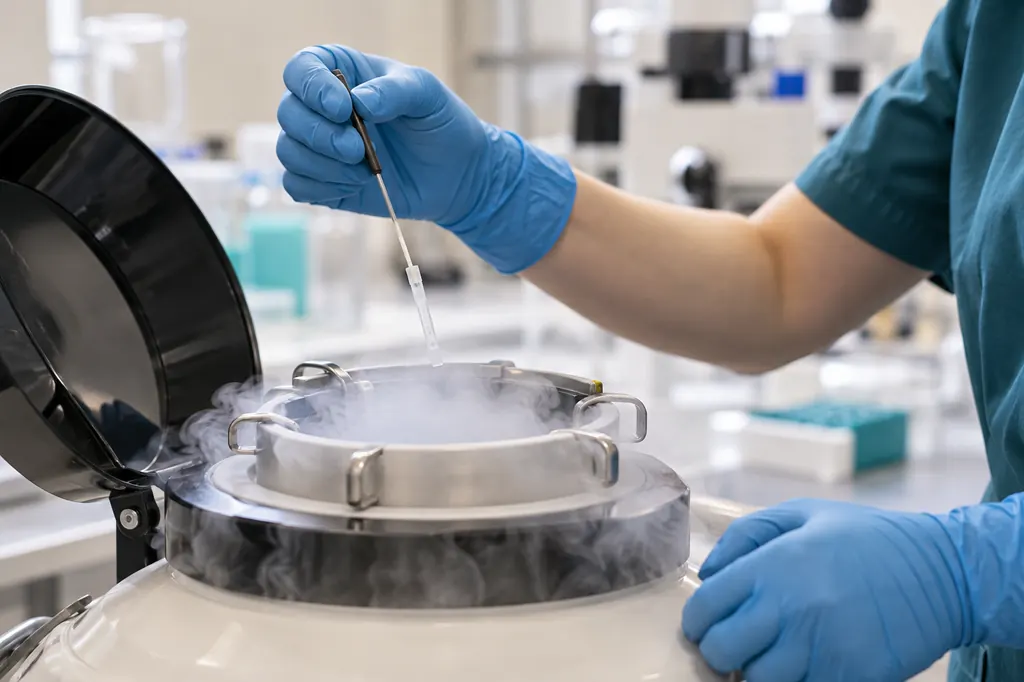
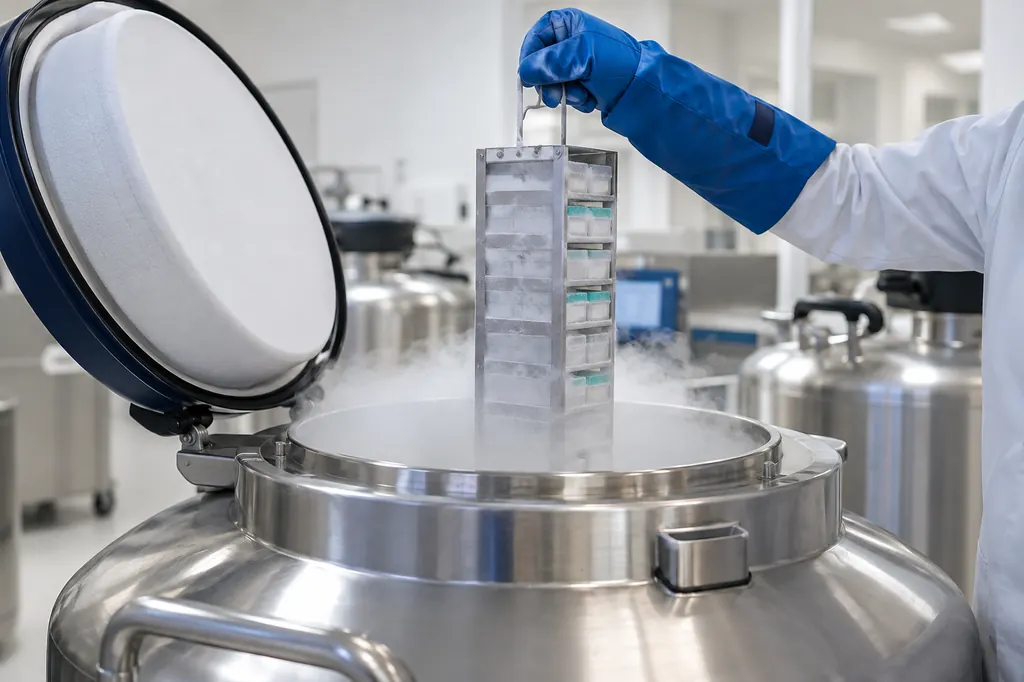
Embryo freezing, or cryopreservation, stores embryos, eggs or sperm in liquid nitrogen at about –196 °C. With modern fast freezing (vitrification) most good-quality embryos survive thawing, so spare embryos from one IVF cycle can be used later without another egg collection.
- Method
- Vitrification for eggs and embryos
- Storage
- Liquid nitrogen, about –196 °C
- Frozen transfer
- No egg collection needed
- Fees
- Annual storage charges
What is embryo freezing?
Cryopreservation is the storage of eggs, sperm or embryos at very low temperatures so that they can be used later. At about –196 °C, biological activity effectively stops, so stored cells do not age while frozen.
Sperm has been frozen successfully for decades. Eggs and embryos are more delicate and are now frozen by vitrification, which cools them so fast that ice crystals do not form. This has made frozen embryo transfer a routine part of IVF, and allows 'freeze-all' cycles when a fresh transfer would be risky or less effective.
Who Cryopreservation may help
- Spare good-quality embryos after IVF
- Freeze-all cycles (high OHSS risk, PGT, or uterine lining not ready)
- Sperm banking before cancer treatment or surgery
- Egg freezing for later use
Good to know. Freezing does not improve embryo quality. Only embryos the lab judges good enough are usually frozen.
How to prepare
- Read and sign the storage consent forms carefully, including what happens to embryos in different situations.
- Ask about storage fees, payment reminders and the 10-year legal limit.
- For a frozen embryo transfer, ask whether a natural cycle or a medicated cycle is planned and why.
Embryo freezing and thawing, step by step
Preparation
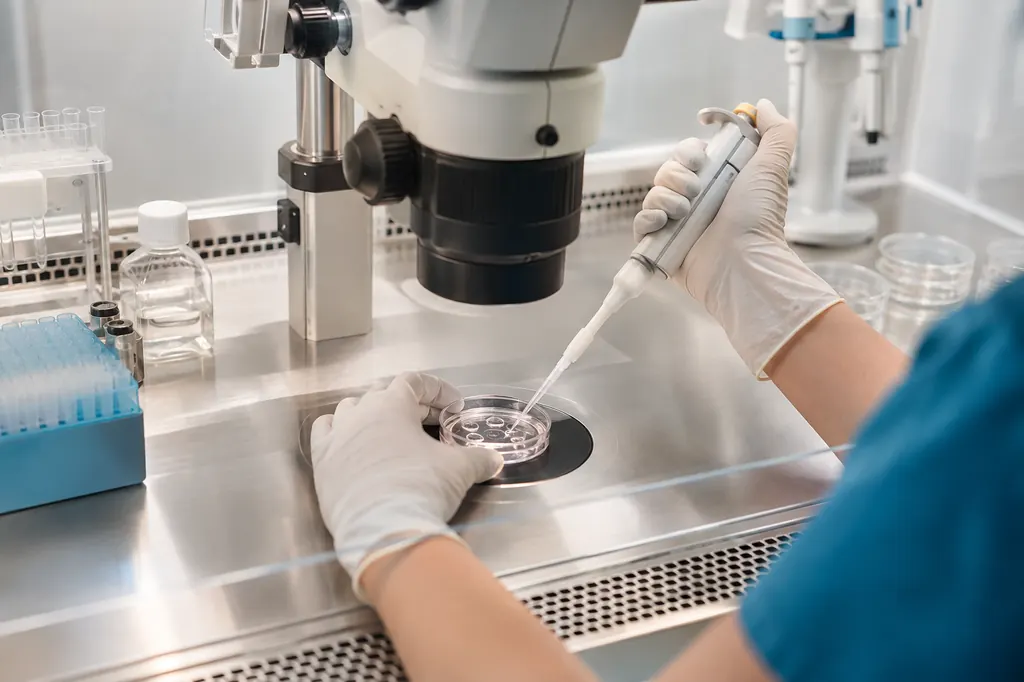
Embryos, eggs or sperm are placed in protective solutions.
Vitrification
They are cooled almost instantly to avoid ice crystals.
Storage
Labelled straws are kept in monitored liquid nitrogen tanks.
Thawing
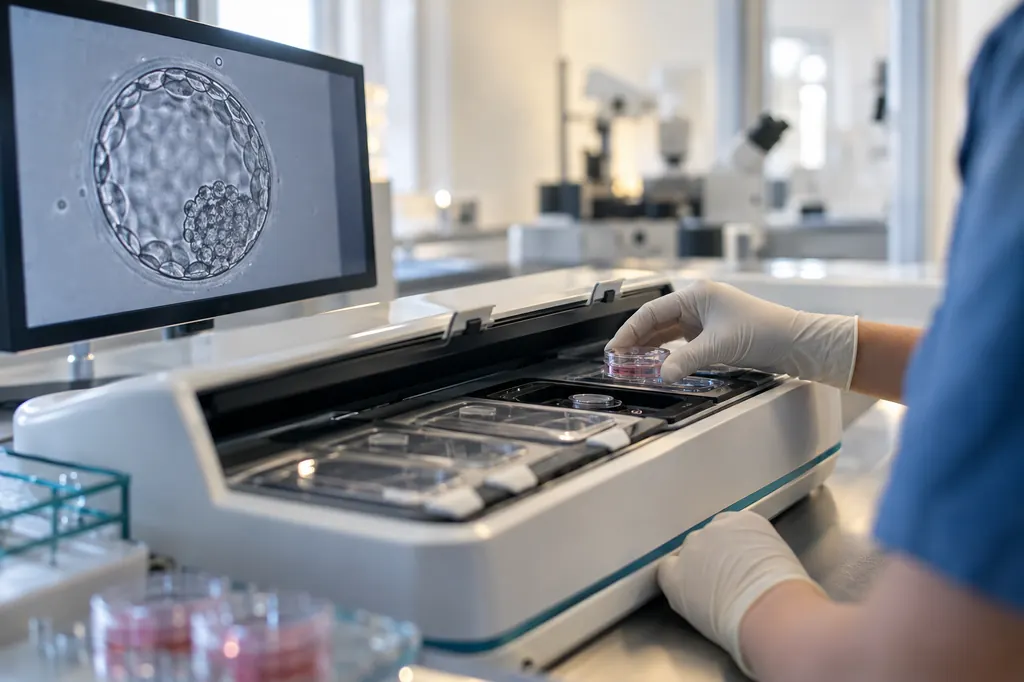
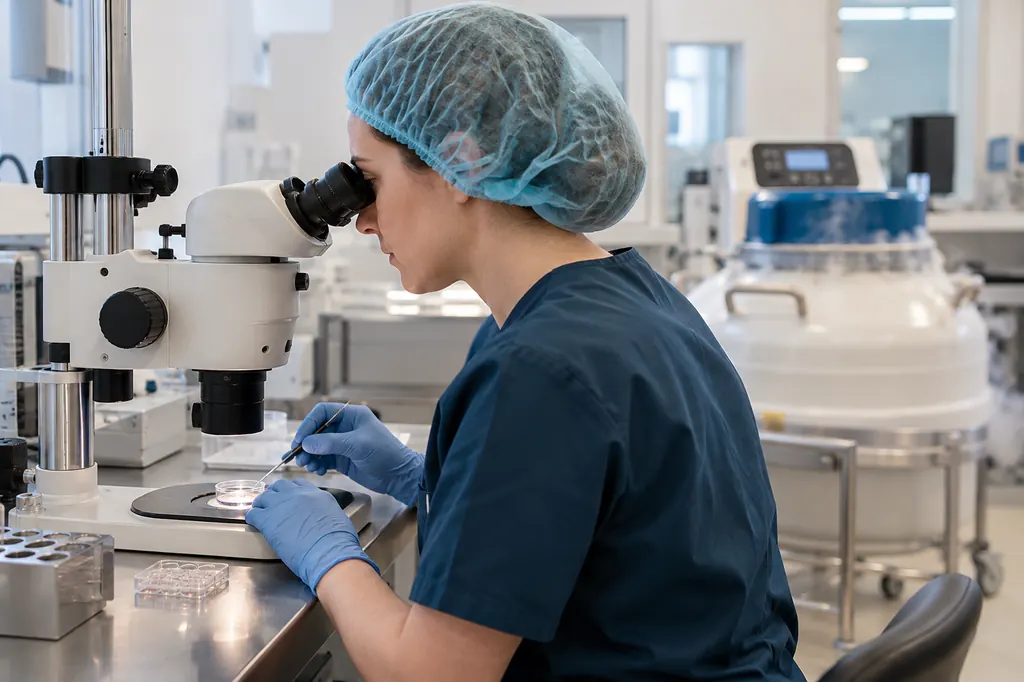
When needed, samples are warmed and checked for survival.
Frozen embryo transfer
The lining is prepared with medicine or a natural cycle, then a thawed embryo is transferred.
What to expect
- A frozen transfer cycle usually takes 2–4 weeks of preparation and needs no anaesthesia.
- You will sign consent forms about storage time and what happens to unused embryos.
After a frozen embryo transfer
- Continue lining medicines and progesterone exactly as prescribed.
- Normal daily activity is fine.
- A pregnancy blood test is done about 9–14 days after transfer, depending on embryo stage.
Benefits, limitations and risks
Benefits
- More chances from one egg collection
- Avoids a fresh transfer when OHSS risk is high
- Lets you delay a transfer for medical or personal reasons
- Sperm banking protects fertility before cancer treatment
Limitations
- A small proportion do not survive thawing
- Storage fees and legal time limits
- Freezing does not improve quality
Risks and side effects
- A small proportion of embryos or eggs do not survive thawing.
- Storage depends on reliable tanks and records — ask about the clinic's monitoring and backup.
What affects success
Frozen embryo transfers now give results similar to fresh transfers in many clinics. Success depends mainly on embryo quality and the age at which the eggs were collected.
Alternatives to discuss
What affects the cost of Cryopreservation in Bangalore
- Freezing fee
- Annual storage fee
- Thawing and frozen transfer cycle costs
- Lining preparation medicines
Before you start, ask for a written, itemised estimate that lists what is included and what could cost extra, such as medicines, freezing, storage and add-ons. Prices vary widely between clinics and cities. Estimate your costs with our calculator.
Questions to ask your doctor
- What are your survival rates after thawing?
- What are the yearly storage fees, and what happens at the 10-year limit?
- What happens to stored embryos if we separate, or if one of us dies?
- How are your tanks monitored?
Frequently asked questions
What is the difference between embryo freezing and egg freezing?
Egg freezing stores unfertilised eggs. Embryo freezing stores eggs that have already been fertilised, so it needs sperm at the time. Embryos usually survive thawing slightly better, but frozen eggs keep more options open.
Do frozen embryos work as well as fresh ones?
In many cases yes. Results depend mostly on embryo quality and the age when the eggs were collected.
How long can embryos be frozen in India?
Up to 10 years under Section 28 of the ART Act 2021. After that, embryos must be allowed to perish or, with your consent, given to a registered research organisation.
What happens to embryos we don't use?
You decide in advance, through consent forms. Under Indian law they can be stored for your own later use (up to 10 years), allowed to perish, or donated for research. Donating them to another couple is not permitted under the ART Act 2021.
What is a freeze-all cycle?
All suitable embryos are frozen and none transferred fresh — used when OHSS risk is high, for genetic testing, or when the lining is not ready.
Is a natural or medicated frozen transfer better?
Both are used. Natural cycles suit women who ovulate regularly; medicated cycles give more scheduling control. Your doctor will recommend one.
Not sure if Cryopreservation is right for you?
See a fertility doctor at an IVF Pulse centre in Bangalore: Kalyan Nagar (HRBR Layout), RR Nagar and Rajajinagar (at Tamara Hospital). Nothing to pay when you book, and you can change the time on WhatsApp.