
Urine eosinophil test
Quick answer: This test looks for eosinophils, a type of white blood cell, in urine. It is sometimes used when a kidney reaction to a medicine (allergic interstitial nephritis) is suspected, though it is not reliable on its own.
- SampleUrine
- TakesA few minutes to give the sample
- Before the testNo special preparation is usually needed.
How the test is done
- 1You give a fresh midstream urine sample in a clean container
- 2The lab spins the urine to collect the cells
- 3A special stain is used to pick out eosinophils
- 4Staff count eosinophils as a share of the white cells seen
What your results can mean
Reading your report
A positive or negative result does not confirm or rule out a condition by itself; discuss it with your doctor.
If the result is outside the usual range
Eosinophils in urine can be seen with allergic kidney inflammation caused by medicines (interstitial nephritis), and also with urine infections or other kidney conditions. A negative result does not rule out kidney inflammation.
Who usually has this test
People whose kidney function has dropped after starting a new medicine, or who have unexplained kidney inflammation.
Risks and aftercare
There are no risks; keep taking your medicines unless your doctor tells you otherwise.
Names and options
Also called: eosinophils in urine, eosinophiluria
Listed by the hospital as
- EOSINOPHILS, URINE
Questions about this test
Why would a medicine cause eosinophils in urine?
Some medicines, such as certain antibiotics and painkillers, can trigger an allergic reaction in the kidney that draws eosinophils into the urine. Never stop a medicine on your own; discuss it with your doctor.
Can a urine infection cause eosinophils in urine?
Yes, infections and some other kidney or bladder conditions can also show eosinophils. That is why doctors read this test alongside other results.
Is this test enough to diagnose kidney inflammation?
No. It is a supporting clue only. Doctors may use blood tests, scans or a kidney biopsy to confirm.
Related tests
Tamara Hospital & IVF Centre, Rajajinagar
34/3, 10th Cross Road, opp. Vardhaka Sardar Patel School, 1st N Block, 2nd Stage, Rajajinagar, Bengaluru 560010
The hospital is open 24 hours. Call before you come to check the timing for your scan or sample collection.
Get directions ↗IVF Pulse fertility care at Tamara Hospital →
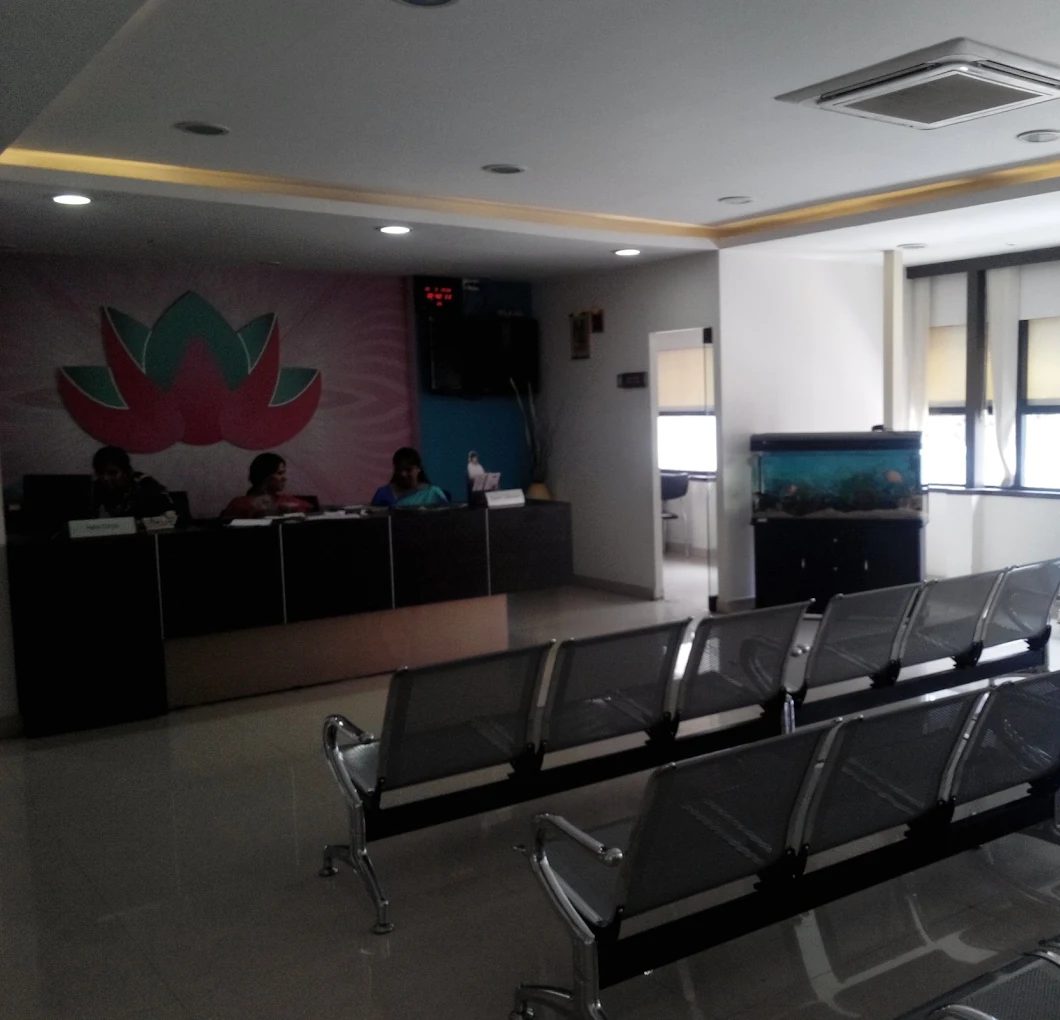 Reception
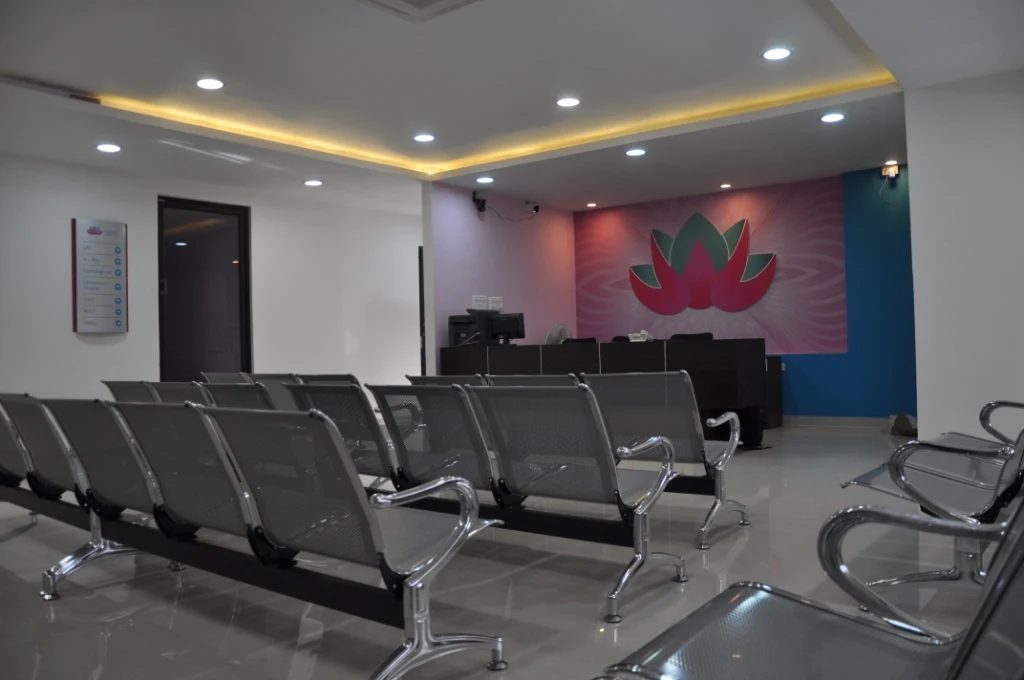 Waiting area
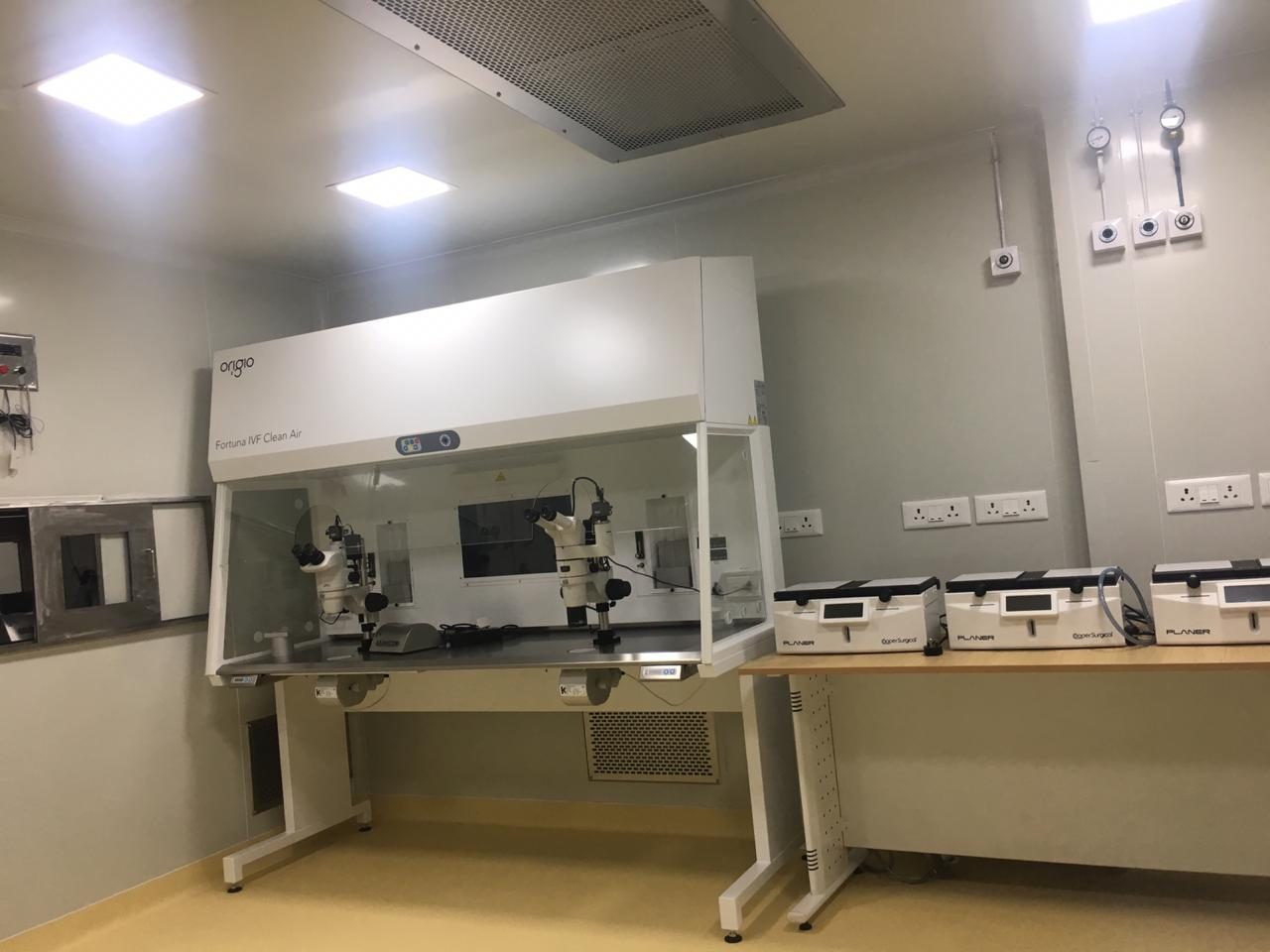 IVF lab
This page explains each test in general terms so you know what to expect. It is not medical advice: your doctor decides which tests you need and what your results mean. Reference ranges differ between laboratories. Updated 4 November 2026.