
Urine sediment (microscopy)
Quick answer: This test looks at the sediment from a spun urine sample under a microscope to find cells, casts, crystals and bacteria. It is used with routine urine tests to look for infection, kidney disease and stones.
- SampleUrine
- TakesA few minutes to give the sample
- Before the testA clean-catch midstream sample is usually requested.
How the test is done
- 1You give a fresh midstream urine sample
- 2The lab spins a set amount of urine in a centrifuge
- 3The liquid on top is poured off, leaving a small sediment
- 4A drop of the sediment is examined under a microscope
What your results can mean
Reading your report
A few cells can be normal; your doctor will read the findings with the rest of your urine report.
If the result is outside the usual range
The sediment can show red cells (seen with stones, infection or kidney disease), white cells (infection), casts (kidney problems) and crystals. A few cells or crystals are common and are not always a concern.
Who usually has this test
Anyone whose urine dipstick is abnormal, and people with kidney or urinary symptoms.
Risks and aftercare
There are no risks; it is usually read together with the dipstick results.
Names and options
Also called: urine microscopy, urine deposits
Listed by the hospital as
- SEDIMENT, URINE
Questions about this test
What are casts in urine?
Casts are tube-shaped clumps formed in the kidney's small tubes. A few clear casts can be normal, but other kinds can point to kidney problems.
Are crystals in urine a sign of kidney stones?
Crystals are common and often appear when urine is concentrated or has cooled. They are not proof of stones, but certain types can support it.
What are epithelial cells in urine?
They are cells from the lining of the urinary tract or the skin. Many skin-type cells usually mean the sample was not collected midstream.
Related tests
Tamara Hospital & IVF Centre, Rajajinagar
34/3, 10th Cross Road, opp. Vardhaka Sardar Patel School, 1st N Block, 2nd Stage, Rajajinagar, Bengaluru 560010
The hospital is open 24 hours. Call before you come to check the timing for your scan or sample collection.
Get directions ↗IVF Pulse fertility care at Tamara Hospital →
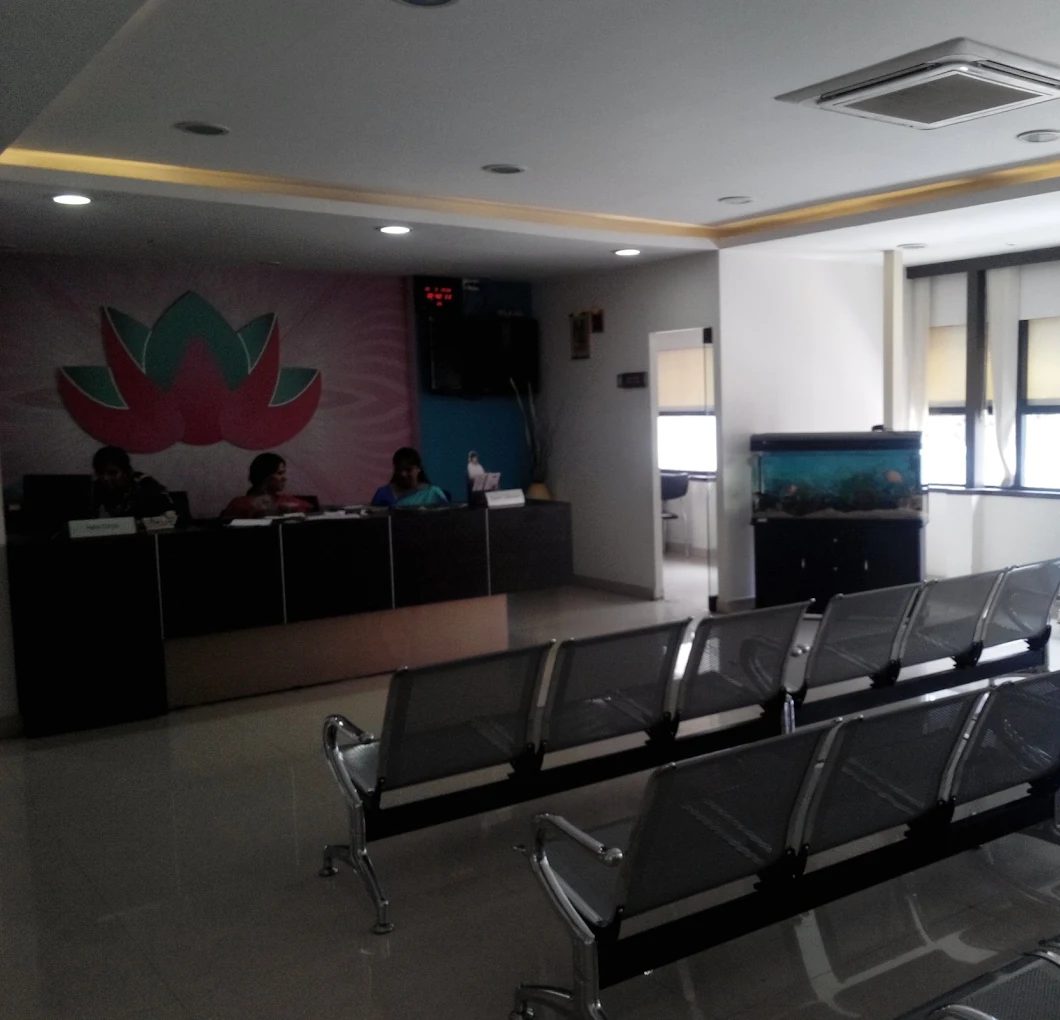 Reception
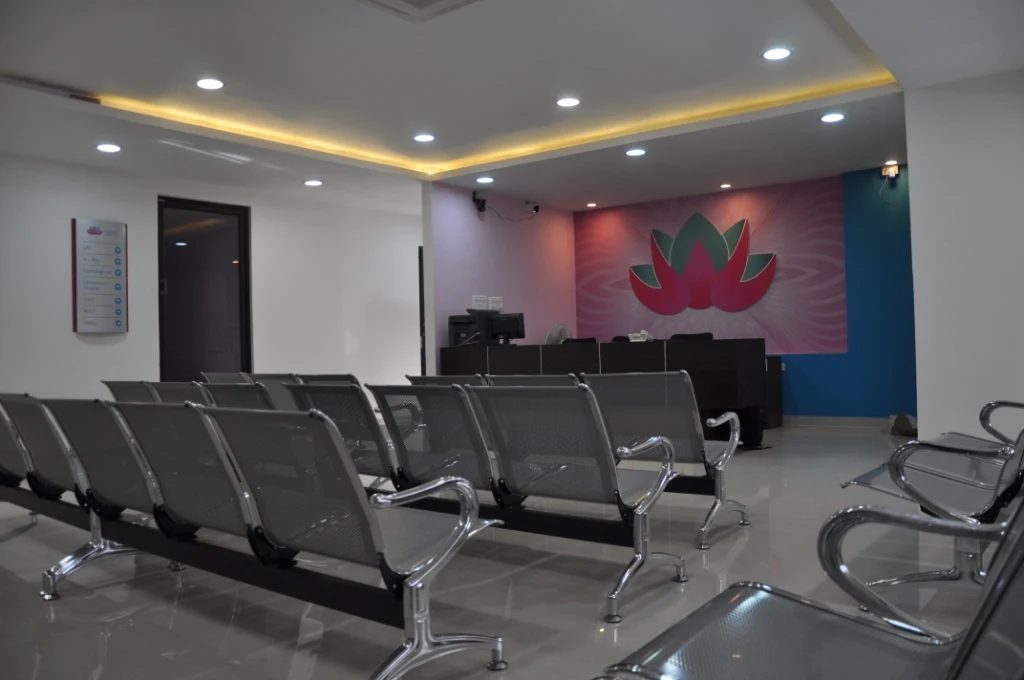 Waiting area
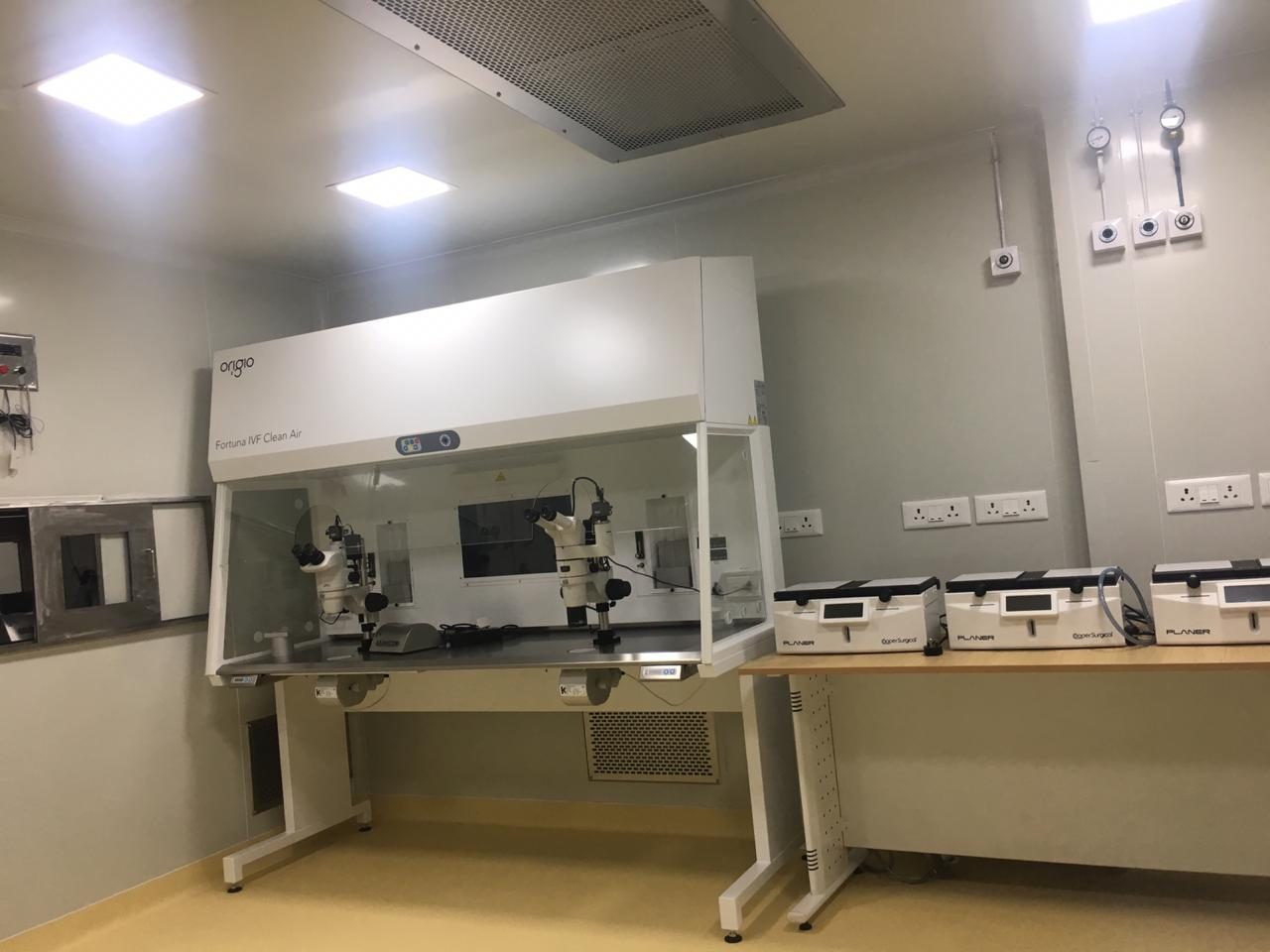 IVF lab
This page explains each test in general terms so you know what to expect. It is not medical advice: your doctor decides which tests you need and what your results mean. Reference ranges differ between laboratories. Updated 4 November 2026.