
TPA (tissue polypeptide antigen) test
Quick answer: This test measures tissue polypeptide antigen, a protein released by dividing cells that is used as a tumour marker. It is sometimes used to follow certain cancers over time, but it is not specific and is not used on its own to diagnose cancer.
- SampleBlood
- TakesAbout 5 minutes
- Before the testNo special preparation is usually needed.
How the test is done
- 1Ask the hospital why this test has been ordered for you
- 2Blood is drawn from a vein in your arm
- 3The lab measures TPA in your serum
- 4Your doctor reads the result with scans and other tests
What your results can mean
Reading your report
Raised levels can also occur with inflammation, liver or kidney problems; discuss your result with your doctor.
If the result is outside the usual range
A raised level can be seen with some cancers, but also with inflammation and liver or kidney problems, so it is not specific. Ask your doctor what your result means in your case.
Who usually has this test
Usually people already being followed for a known cancer; ask the hospital or your doctor whether this test applies to you.
Risks and aftercare
Bruising is possible where the blood was taken.
Names and options
Also called: TPA tumour marker, tissue polypeptide antigen
Listed by the hospital as
- TPA - TISSUE POLYPEPTIDE ANTIGEN
Questions about this test
Is TPA a screening test for cancer?
No, TPA is not used to screen healthy people. It may be used alongside other tests to follow some known cancers.
What else can raise TPA?
Inflammation, infections, and liver or kidney problems can raise it. That is why a single result is not enough for a diagnosis.
Why is TPA rarely ordered?
Many more specific cancer markers are now available. Ask the hospital and your doctor why this one has been chosen for you.
Related tests
Tamara Hospital & IVF Centre, Rajajinagar
34/3, 10th Cross Road, opp. Vardhaka Sardar Patel School, 1st N Block, 2nd Stage, Rajajinagar, Bengaluru 560010
The hospital is open 24 hours. Call before you come to check the timing for your scan or sample collection.
Get directions ↗IVF Pulse fertility care at Tamara Hospital →
 Reception
 Waiting area
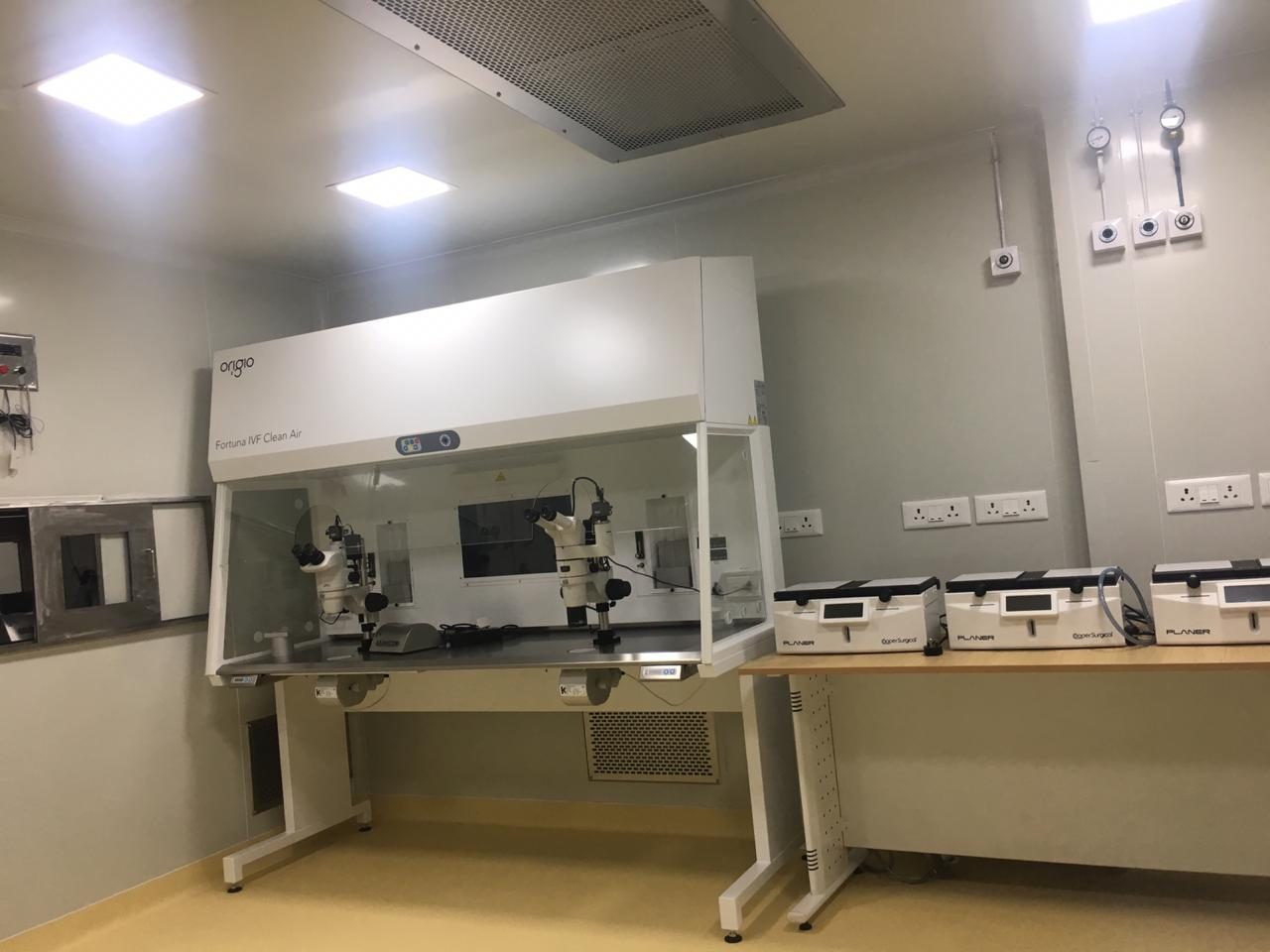 IVF lab
This page explains each test in general terms so you know what to expect. It is not medical advice: your doctor decides which tests you need and what your results mean. Reference ranges differ between laboratories. Updated 4 November 2026.