
ADH (antidiuretic hormone) test
Quick answer: An ADH test measures antidiuretic hormone (vasopressin), which controls how much water your kidneys keep. It may be ordered to look into very low blood sodium, passing large amounts of urine, or extreme thirst, such as in diabetes insipidus.
- SampleBlood
- TakesAbout 5 to 10 minutes
- Before the testFollow the lab's instructions, as this sample needs special handling; tell staff about all medicines you take.
How the test is done
- 1You may be asked to fast or limit fluids before the test
- 2Blood is drawn into a chilled tube
- 3The sample is kept cold and spun quickly
- 4Blood and urine salt levels are often tested at the same time
What your results can mean
Reading your report
ADH is read together with blood and urine sodium and concentration; discuss your result with your doctor.
If the result is outside the usual range
High ADH can be seen with SIADH, where the body keeps too much water, with some lung or brain conditions and with some medicines. Low ADH can be seen with central diabetes insipidus, which causes heavy urination and thirst.
Who usually has this test
People with low blood sodium, or with extreme thirst and large amounts of urine.
Risks and aftercare
Bruising is possible; drink as usual afterwards unless told otherwise.
Names and options
Also called: vasopressin test, ADH, arginine vasopressin
Listed by the hospital as
- ADH - ANTI DIURETIC HORMONE
Questions about this test
Why is ADH rarely tested?
ADH is hard to measure and breaks down quickly in the sample. Doctors often use blood and urine salt and concentration tests instead, or a related marker called copeptin.
Can medicines affect ADH?
Yes, some antidepressants, epilepsy medicines and others can raise ADH. Tell your doctor about all your medicines, but do not stop any on your own.
What is diabetes insipidus?
It is a condition where the body cannot hold on to water, causing large amounts of dilute urine and thirst. It is different from diabetes mellitus, which involves blood sugar.
Related tests
Tamara Hospital & IVF Centre, Rajajinagar
34/3, 10th Cross Road, opp. Vardhaka Sardar Patel School, 1st N Block, 2nd Stage, Rajajinagar, Bengaluru 560010
The hospital is open 24 hours. Call before you come to check the timing for your scan or sample collection.
Get directions ↗IVF Pulse fertility care at Tamara Hospital →
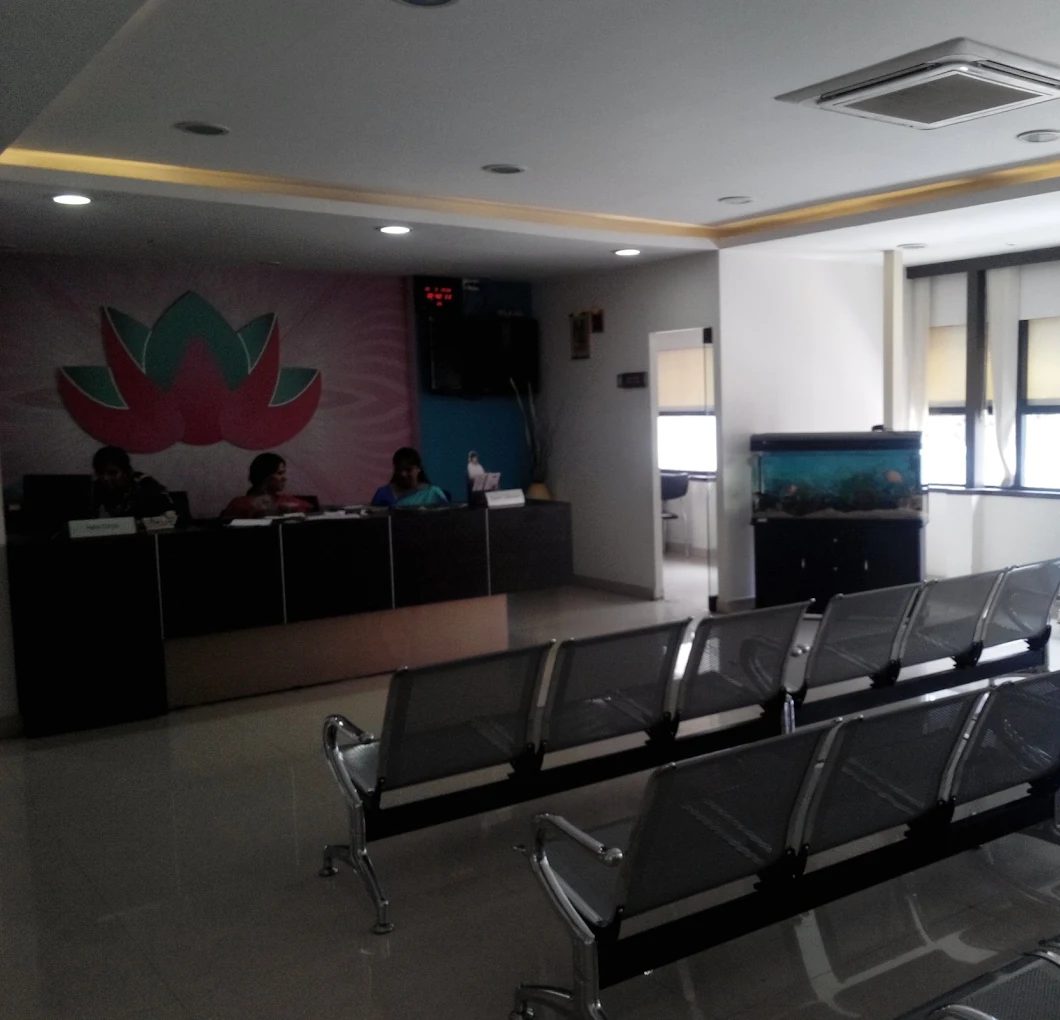 Reception
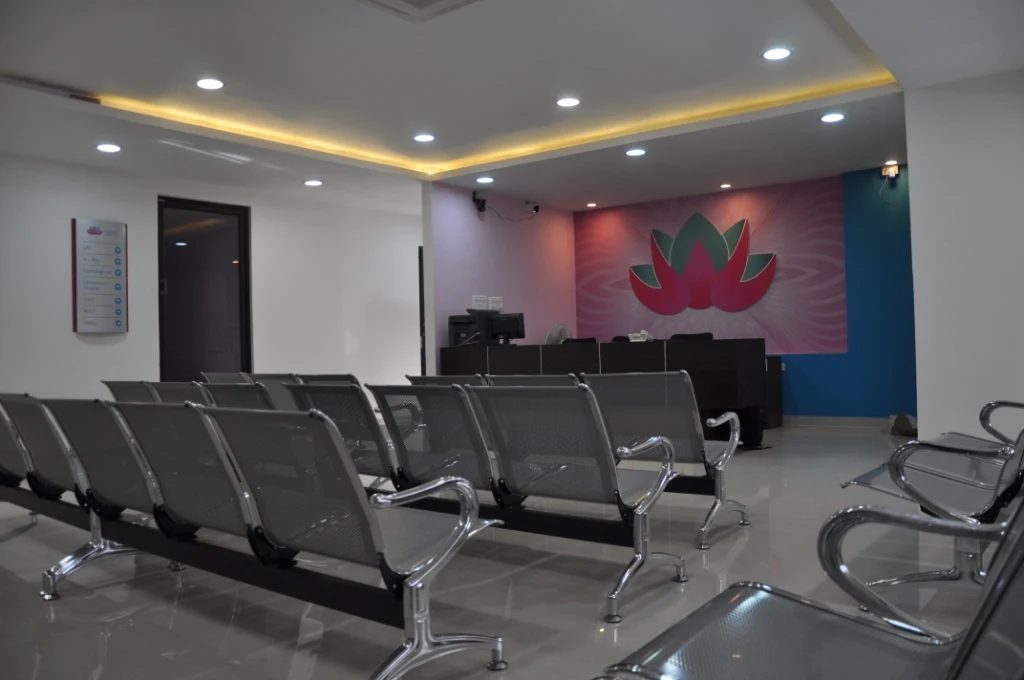 Waiting area
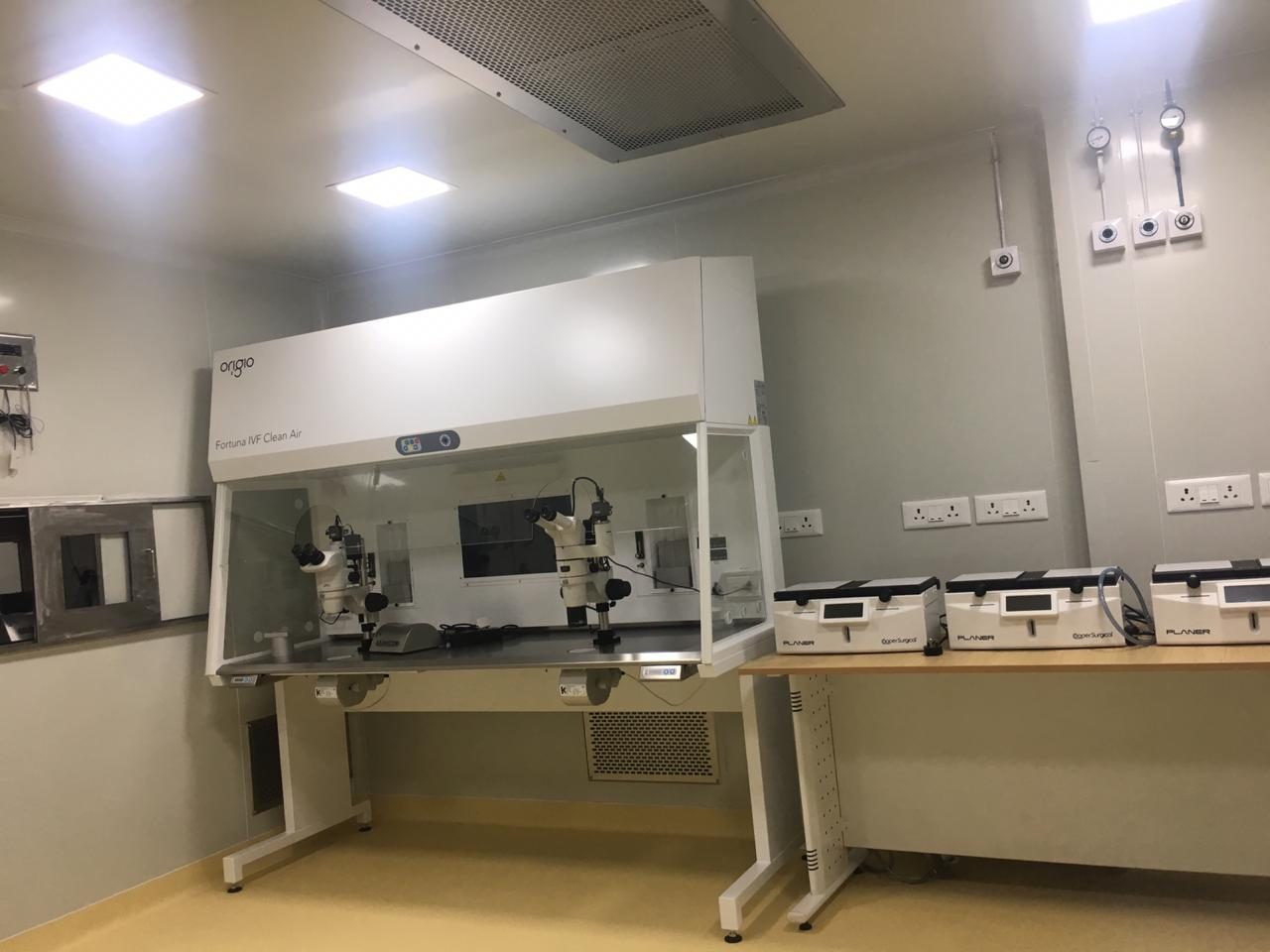 IVF lab
This page explains each test in general terms so you know what to expect. It is not medical advice: your doctor decides which tests you need and what your results mean. Reference ranges differ between laboratories. Updated 4 November 2026.