
Serum ascites albumin gradient (SAAG)
Quick answer: SAAG compares the albumin level in your blood with that in fluid from your abdomen (ascites). It helps doctors work out the cause of fluid in the abdomen, such as liver cirrhosis, heart failure, infection or cancer.
- SampleBlood and abdominal fluid
- TakesUsually 15 to 30 minutes for the procedure
- Before the testThe fluid sample is collected by a doctor during a procedure, and a blood sample is taken around the same time.
How the test is done
- 1The doctor cleans and numbs a spot on your abdomen
- 2A needle draws a sample of the fluid
- 3A blood sample is taken around the same time
- 4The lab measures albumin in both and works out the difference
What your results can mean
Reading your report
Normal ranges differ between labs, so compare your result with the range printed on your report and discuss it with your doctor.
If the result is outside the usual range
A high gradient can point to raised pressure in the liver's blood vessels, as seen with cirrhosis or heart failure. A low gradient can be seen with TB, infection of the abdominal lining, pancreatitis or cancer.
Who usually has this test
People with fluid in the abdomen (ascites) where the cause is not yet clear.
Risks and aftercare
The puncture site may leak a little fluid or feel sore; report fever, increasing pain or dizziness to your doctor.
Names and options
Also called: SAAG
Listed by the hospital as
- SERUM ASCITES ALBUMIN GRADIENT (SAAG)
Questions about this test
What is ascites?
Ascites is a build-up of fluid in the abdomen. It is most often caused by liver cirrhosis but can also be due to heart failure, infection, TB or cancer.
Why is blood taken at the same time as the fluid?
SAAG is the difference between albumin in blood and albumin in the fluid. Both samples need to be taken around the same time for the comparison to be meaningful.
What other tests are done on ascitic fluid?
Doctors usually also check cell counts, culture for infection, total protein and sometimes tests for TB or cancer cells, depending on the situation.
Related tests
Tamara Hospital & IVF Centre, Rajajinagar
34/3, 10th Cross Road, opp. Vardhaka Sardar Patel School, 1st N Block, 2nd Stage, Rajajinagar, Bengaluru 560010
The hospital is open 24 hours. Call before you come to check the timing for your scan or sample collection.
Get directions ↗IVF Pulse fertility care at Tamara Hospital →
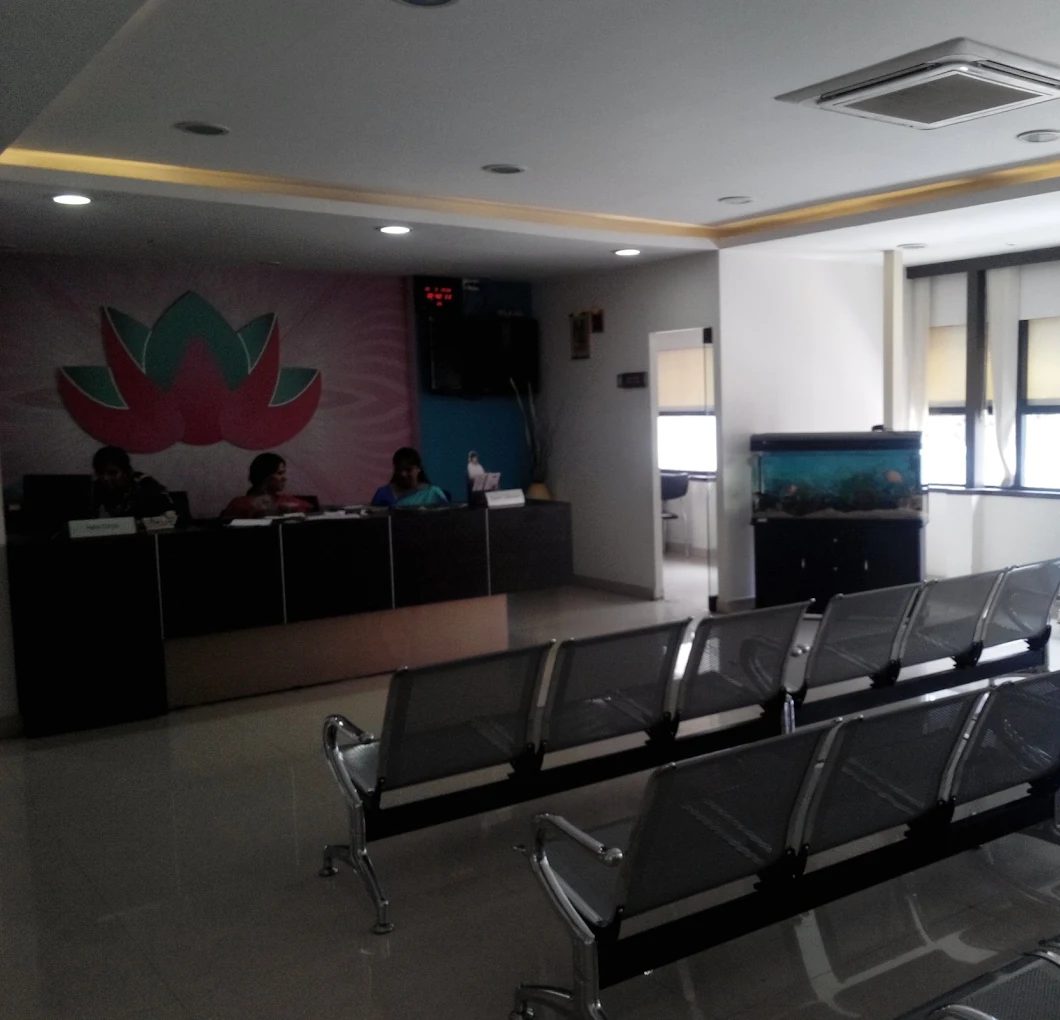 Reception
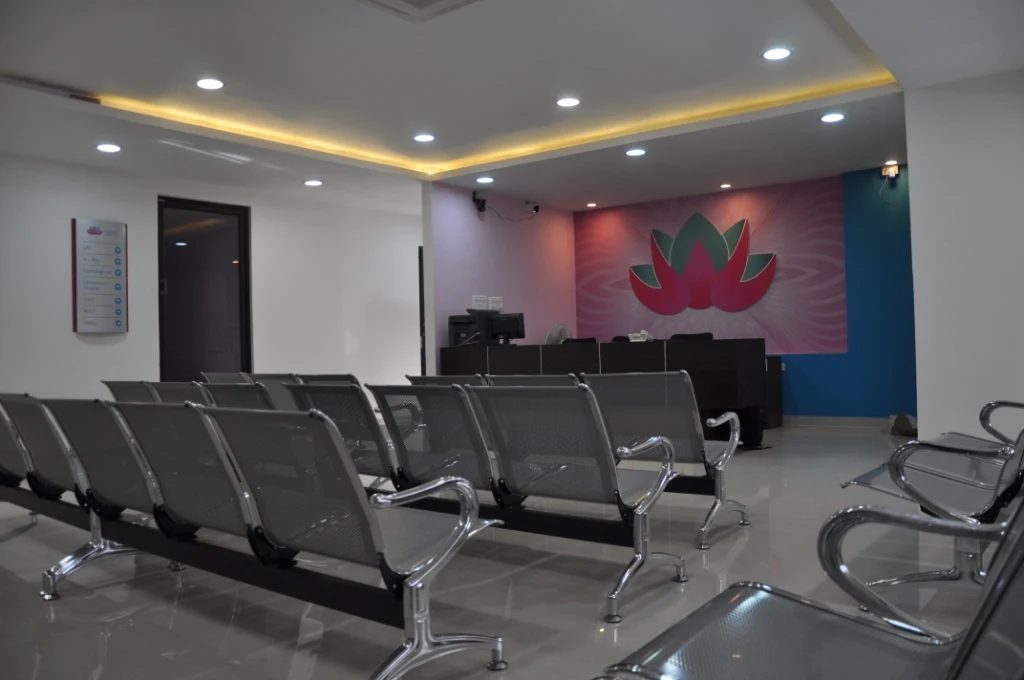 Waiting area
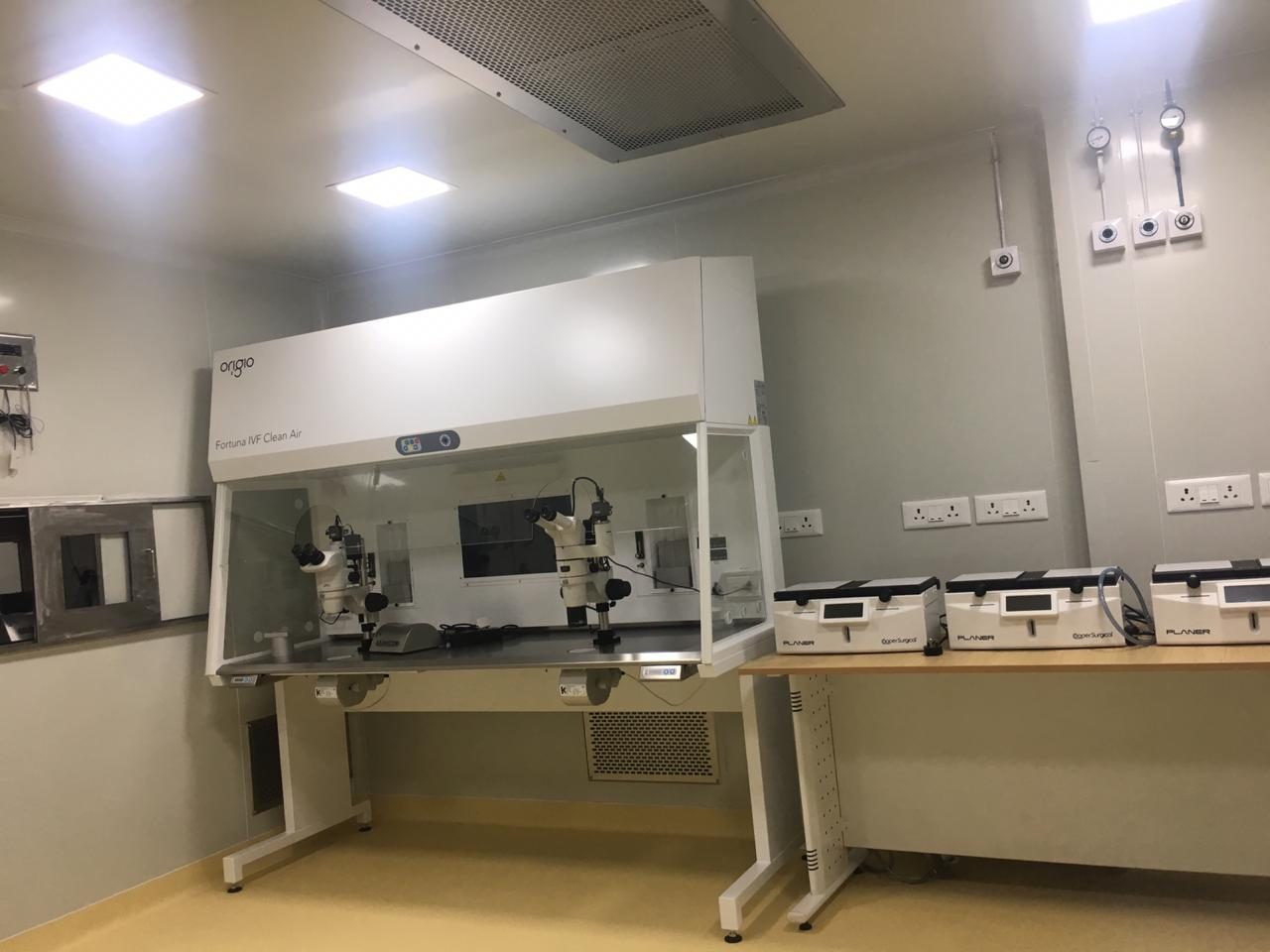 IVF lab
This page explains each test in general terms so you know what to expect. It is not medical advice: your doctor decides which tests you need and what your results mean. Reference ranges differ between laboratories. Updated 4 November 2026.