
Pyruvate test
Quick answer: A pyruvate test measures pyruvate, a substance made when the body breaks down sugar for energy. It is mainly used with lactate to look into rare inherited metabolic or mitochondrial conditions.
- SampleBlood or CSF
- TakesA few minutes for blood; about 30 minutes for a lumbar puncture
- Before the testNo special preparation is usually needed; a CSF sample is collected by a doctor through a lumbar puncture.
How the test is done
- 1The sample is usually taken in hospital or a specialist clinic
- 2Blood is drawn without a tight tourniquet and placed in a special tube on ice
- 3For CSF, a doctor collects spinal fluid by lumbar puncture
- 4The sample is processed quickly, as pyruvate breaks down fast
What your results can mean
Reading your report
Normal ranges differ between labs, so compare your result with the range printed on your report and discuss it with your doctor.
If the result is outside the usual range
A raised pyruvate, especially with a raised lactate, can point to rare inherited metabolic or mitochondrial conditions, and the lactate to pyruvate ratio helps specialists narrow down the cause. Levels can also change with poor sample handling.
Who usually has this test
Babies, children and adults being assessed by a specialist for a suspected inherited metabolic or mitochondrial condition.
Risks and aftercare
A blood test may leave a small bruise; a lumbar puncture may cause headache or back soreness.
Names and options
Also called: pyruvic acid, lactate pyruvate ratio
Options
- Plasma (blood)
- CSF (spinal fluid)
Listed by the hospital as
- PYRUVATE, CSF
- PYRUVATE, EDTA PLASMA
Questions about this test
What is the lactate to pyruvate ratio?
It compares lactate with pyruvate in the same sample. The ratio helps specialists tell apart different types of metabolic problems when lactate is high.
Why must the sample be kept cold?
Pyruvate breaks down quickly once blood is taken. Labs usually need the sample on ice and processed promptly to give a reliable result.
What are mitochondrial conditions?
Mitochondria are the parts of cells that make energy. Inherited problems with them can affect muscles, brain, heart and other organs, and are diagnosed with several specialist tests.
Related tests
Tamara Hospital & IVF Centre, Rajajinagar
34/3, 10th Cross Road, opp. Vardhaka Sardar Patel School, 1st N Block, 2nd Stage, Rajajinagar, Bengaluru 560010
The hospital is open 24 hours. Call before you come to check the timing for your scan or sample collection.
Get directions ↗IVF Pulse fertility care at Tamara Hospital →
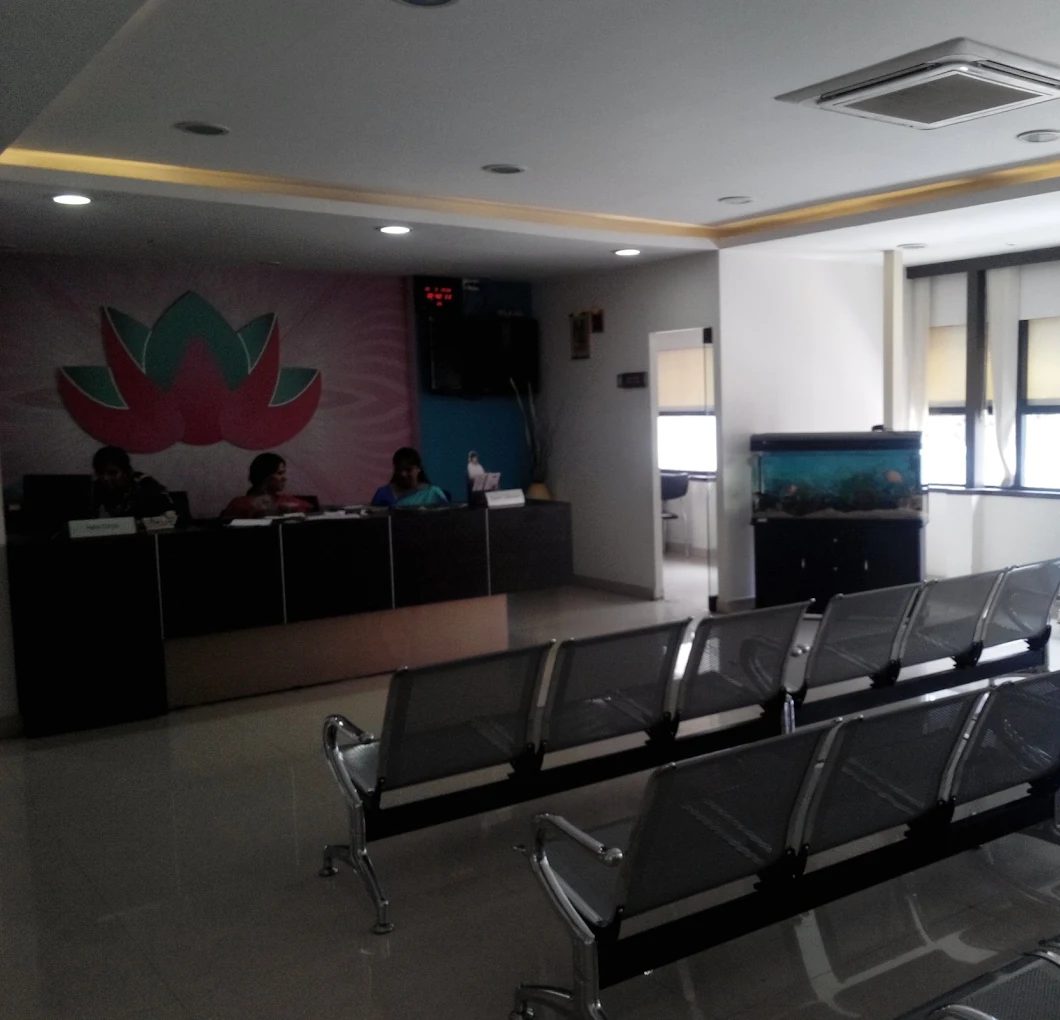 Reception
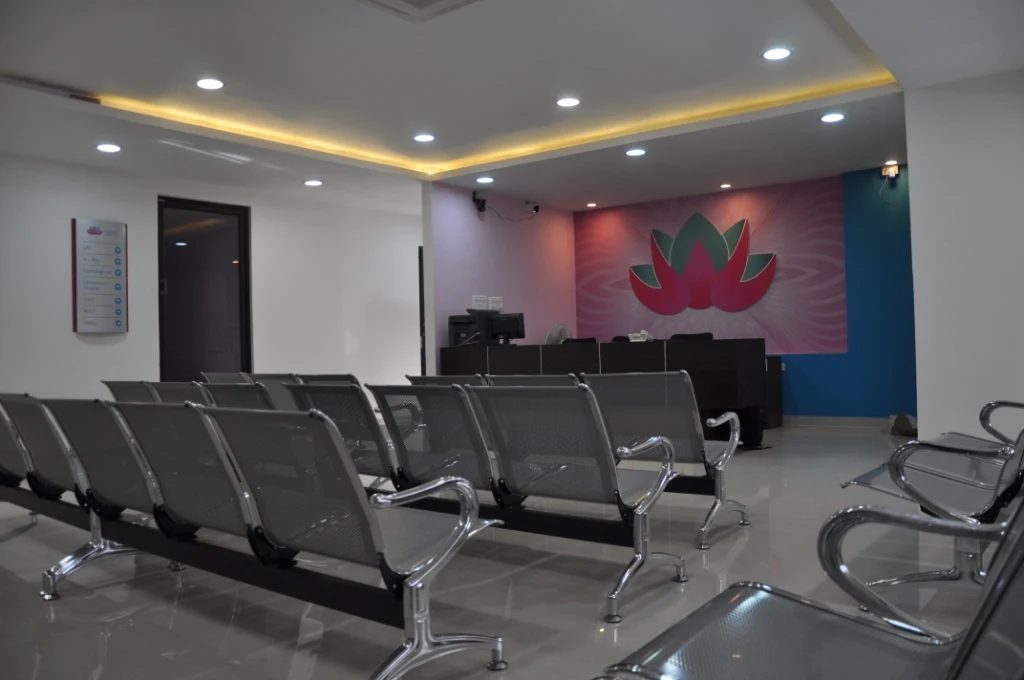 Waiting area
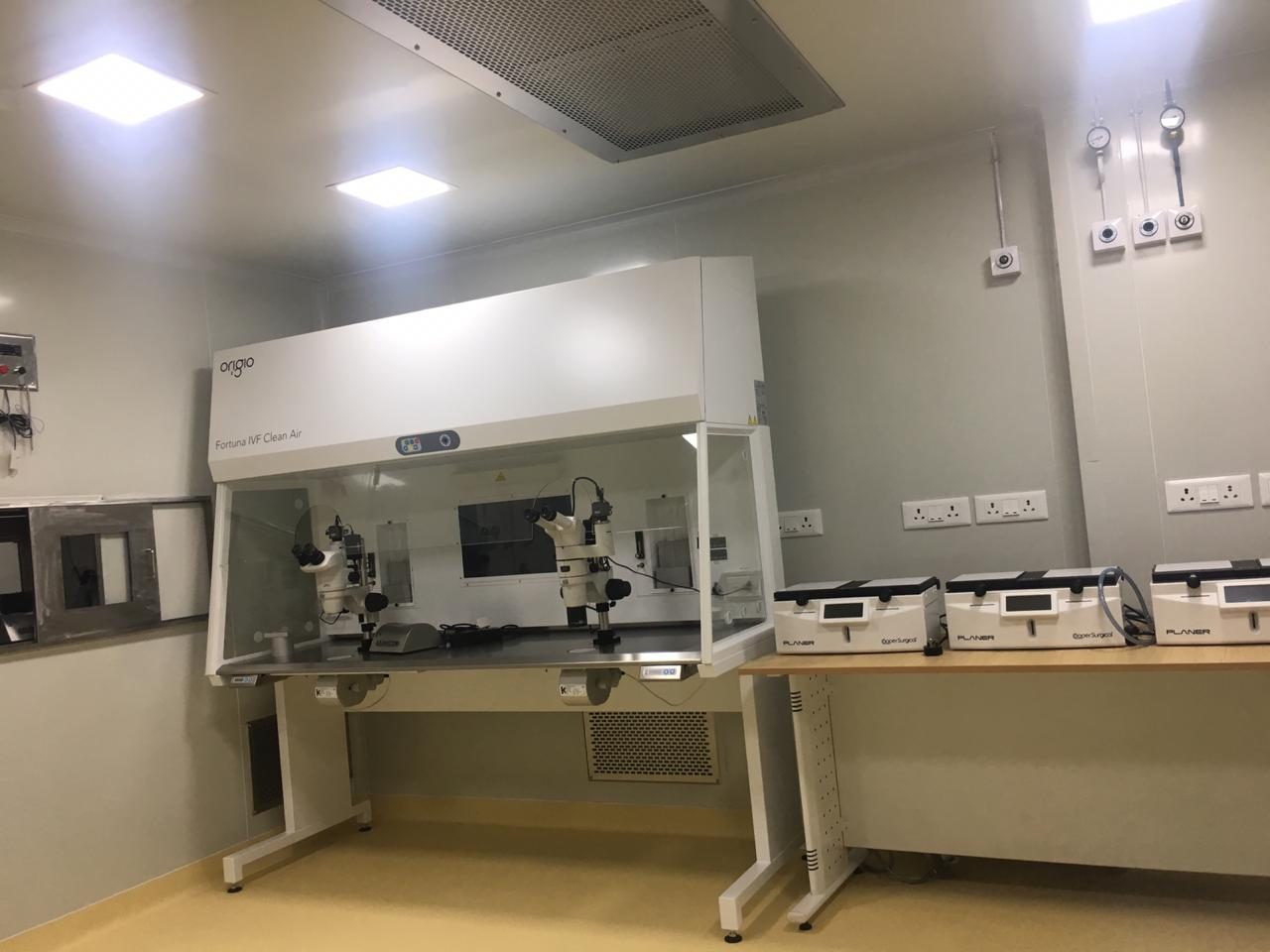 IVF lab
This page explains each test in general terms so you know what to expect. It is not medical advice: your doctor decides which tests you need and what your results mean. Reference ranges differ between laboratories. Updated 4 November 2026.