
Ornithine blood test
Quick answer: This blood test measures ornithine, an amino acid involved in removing ammonia from the body. It may be ordered when a rare inherited condition affecting amino acid or ammonia processing is suspected.
- SampleBlood
- TakesAbout 5 minutes
- Before the testNo special preparation is usually needed.
How the test is done
- 1You are seated and a vein in your arm is cleaned
- 2Blood is drawn into a tube
- 3In babies, a heel prick may be used instead
- 4The sample is sent for amino acid testing
What your results can mean
Reading your report
An abnormal result usually needs further specialist tests; discuss it with your doctor.
If the result is outside the usual range
An abnormal ornithine level can point to a rare inherited condition affecting the urea cycle or amino acid processing, but levels can also change with diet and illness. Ask the hospital what this test is for in your case, as results are usually read by a specialist.
Who usually has this test
Babies and children with signs of a metabolic condition, such as high ammonia, poor feeding or vision problems, as advised by a specialist.
Risks and aftercare
You may have a small bruise afterwards, and nothing else is usually needed.
Names and options
Also called: ornithine level, amino acid test
Listed by the hospital as
- ORNITHINE, SERUM (TLC METHOD)
Questions about this test
Why would a doctor check ornithine?
Ornithine is part of the cycle the body uses to remove ammonia. Doctors may check it when a rare inherited problem with this cycle or with amino acids is suspected, often along with other amino acids.
Is ornithine tested on its own?
It is usually measured as part of a wider amino acid panel. Ask the hospital whether their test measures ornithine alone or a group of amino acids.
What happens after an abnormal ornithine result?
An abnormal result usually leads to more specialist tests, such as ammonia, urine organic acids or genetic tests. A metabolic specialist will explain what it means.
Related tests
Tamara Hospital & IVF Centre, Rajajinagar
34/3, 10th Cross Road, opp. Vardhaka Sardar Patel School, 1st N Block, 2nd Stage, Rajajinagar, Bengaluru 560010
The hospital is open 24 hours. Call before you come to check the timing for your scan or sample collection.
Get directions ↗IVF Pulse fertility care at Tamara Hospital →
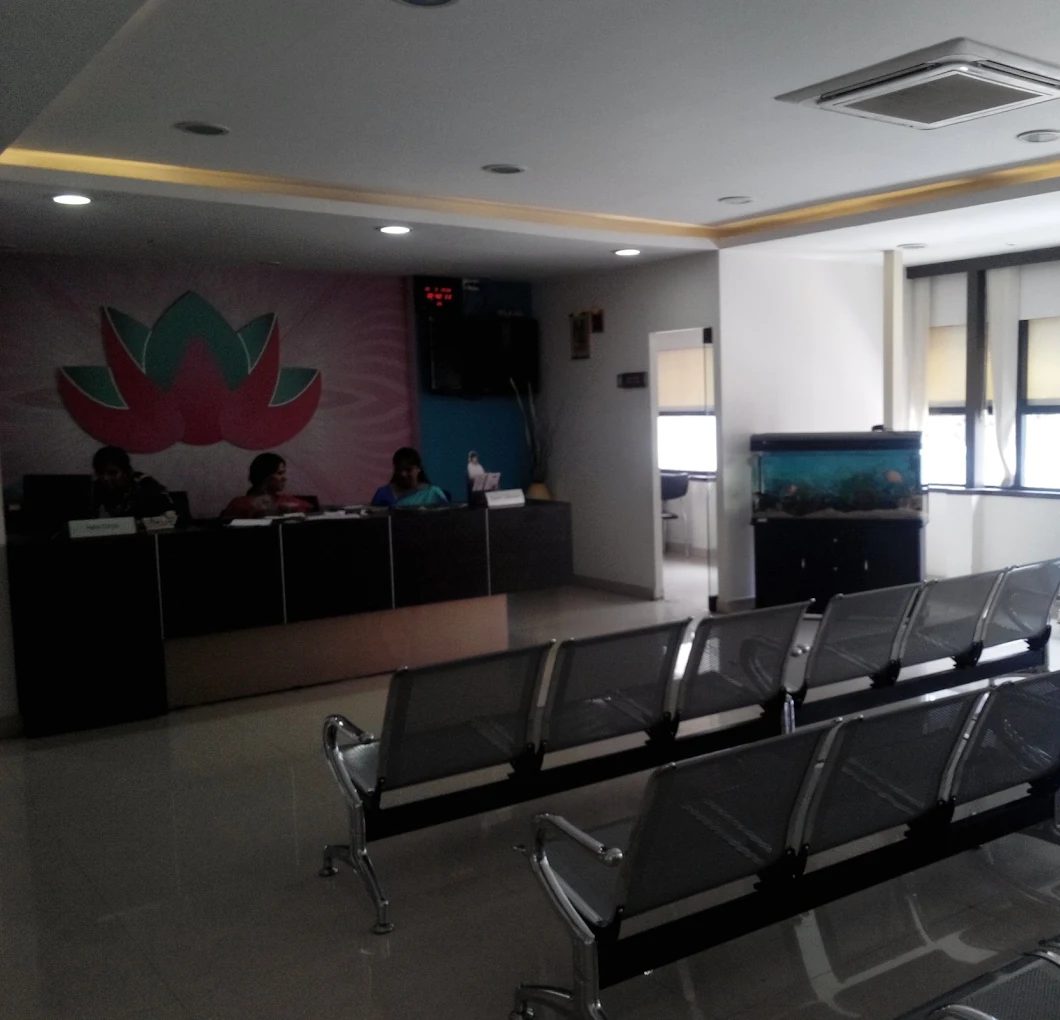 Reception
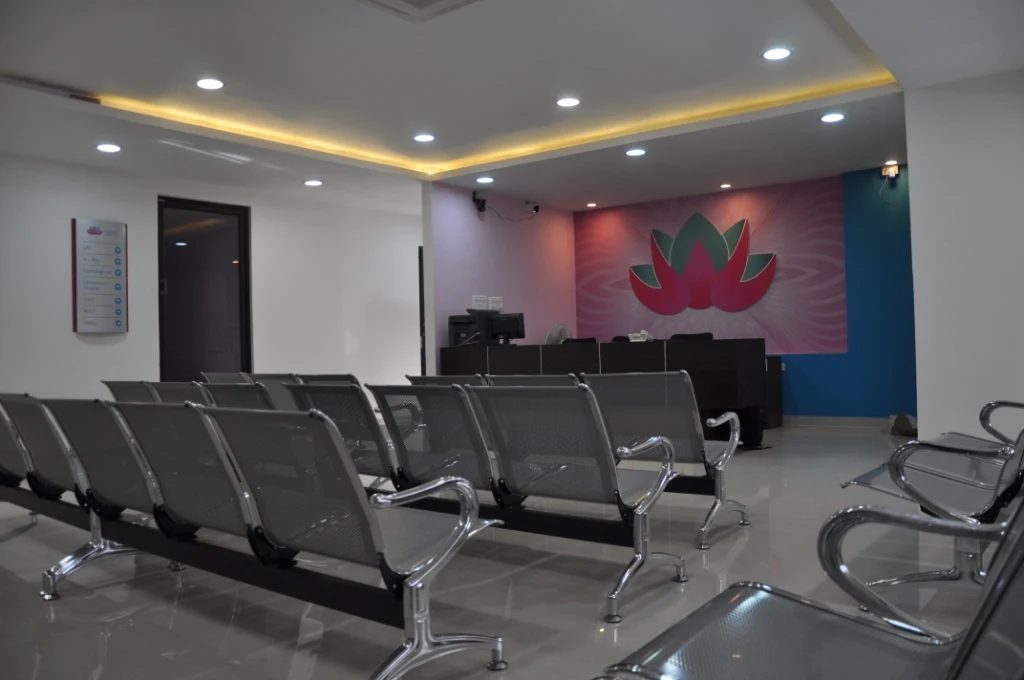 Waiting area
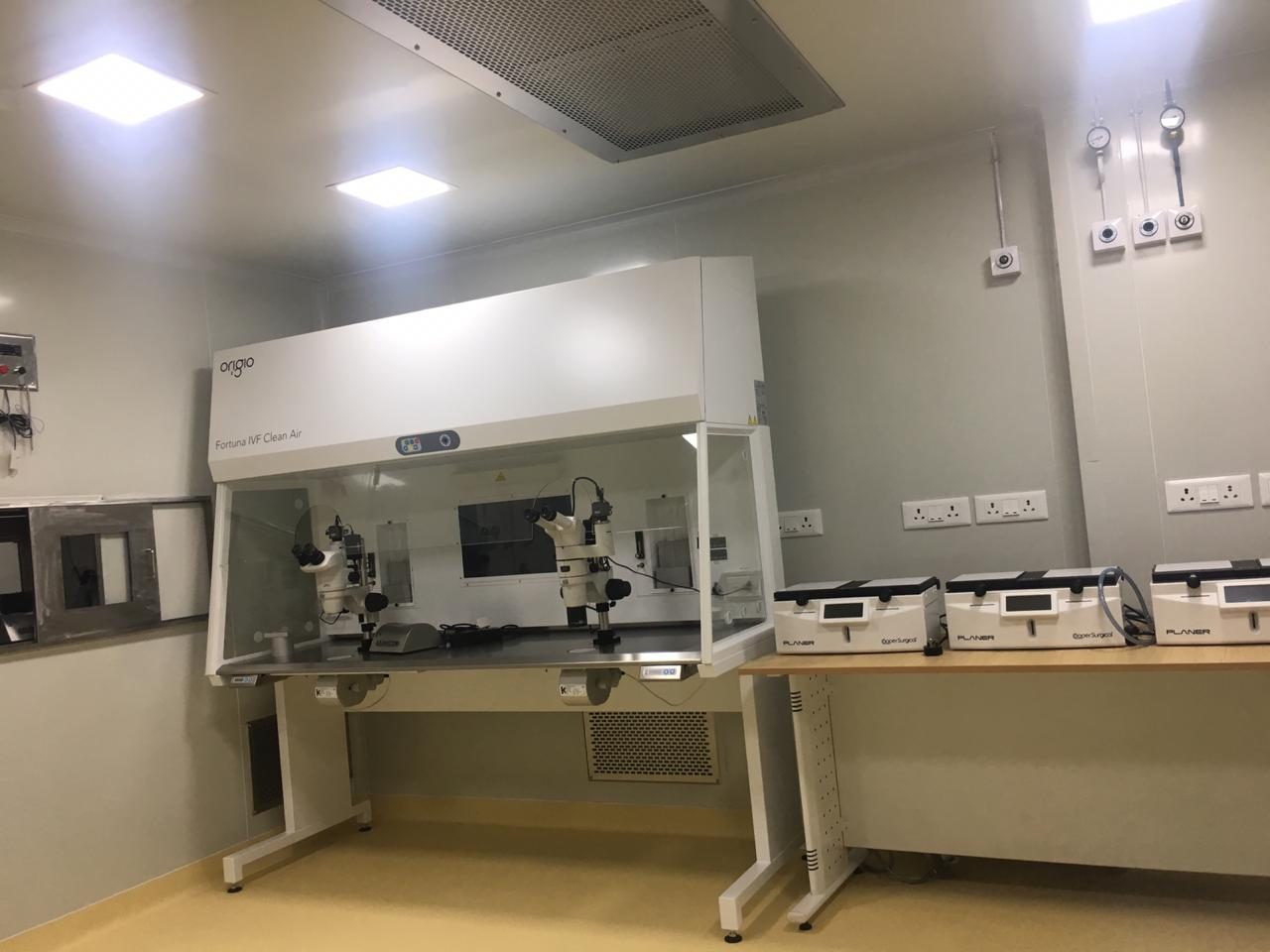 IVF lab
This page explains each test in general terms so you know what to expect. It is not medical advice: your doctor decides which tests you need and what your results mean. Reference ranges differ between laboratories. Updated 4 November 2026.