
PTH (parathyroid hormone) test
Quick answer: A PTH test measures parathyroid hormone, which controls the level of calcium in your blood. It is ordered with calcium when calcium is too high or too low, for kidney disease, bone thinning and kidney stones.
- SampleBlood
- TakesAbout 5 minutes
- Before the testNo special preparation is usually needed.
How the test is done
- 1A morning sample is often taken, sometimes after fasting
- 2The skin over a vein is cleaned
- 3Blood is drawn, often along with calcium and vitamin D
- 4The sample is handled promptly, as PTH can break down
What your results can mean
Reading your report
PTH is read together with your calcium and vitamin D results; discuss them with your doctor.
If the result is outside the usual range
A high PTH with high calcium can point to an overactive parathyroid gland, while a high PTH with low or normal calcium can be seen with vitamin D deficiency or kidney disease. A low PTH can be seen after neck surgery, or when calcium is high for other reasons.
Who usually has this test
People with high or low calcium, kidney stones, bone thinning, long-term kidney disease, or after thyroid or parathyroid surgery.
Risks and aftercare
You can go back to normal activities straight away.
Names and options
Also called: parathyroid hormone, intact PTH, iPTH
Listed by the hospital as
- PTH (PARATHYROID HORMONE)
Questions about this test
Why is PTH tested with calcium?
PTH controls calcium, so the two must be read together. The combination tells doctors whether the parathyroid glands are working too much, too little or responding normally.
Can low vitamin D raise PTH?
Yes. When vitamin D is low, the body absorbs less calcium and the parathyroid glands make more PTH to compensate. This is common and usually improves once vitamin D is corrected.
What is hyperparathyroidism?
It is when the parathyroid glands make too much PTH. Primary hyperparathyroidism, often from a small benign growth, can cause high calcium, kidney stones and bone thinning.
Related tests
Tamara Hospital & IVF Centre, Rajajinagar
34/3, 10th Cross Road, opp. Vardhaka Sardar Patel School, 1st N Block, 2nd Stage, Rajajinagar, Bengaluru 560010
The hospital is open 24 hours. Call before you come to check the timing for your scan or sample collection.
Get directions ↗IVF Pulse fertility care at Tamara Hospital →
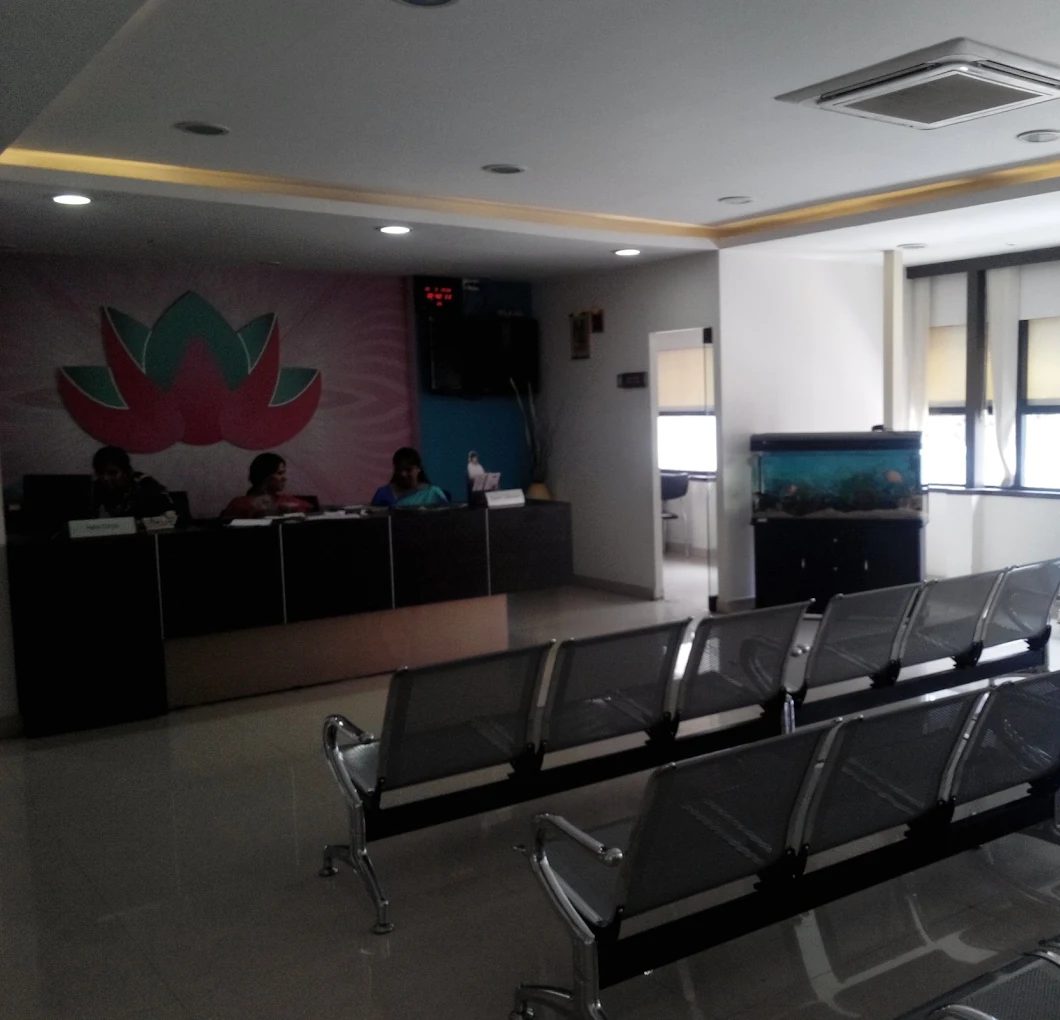 Reception
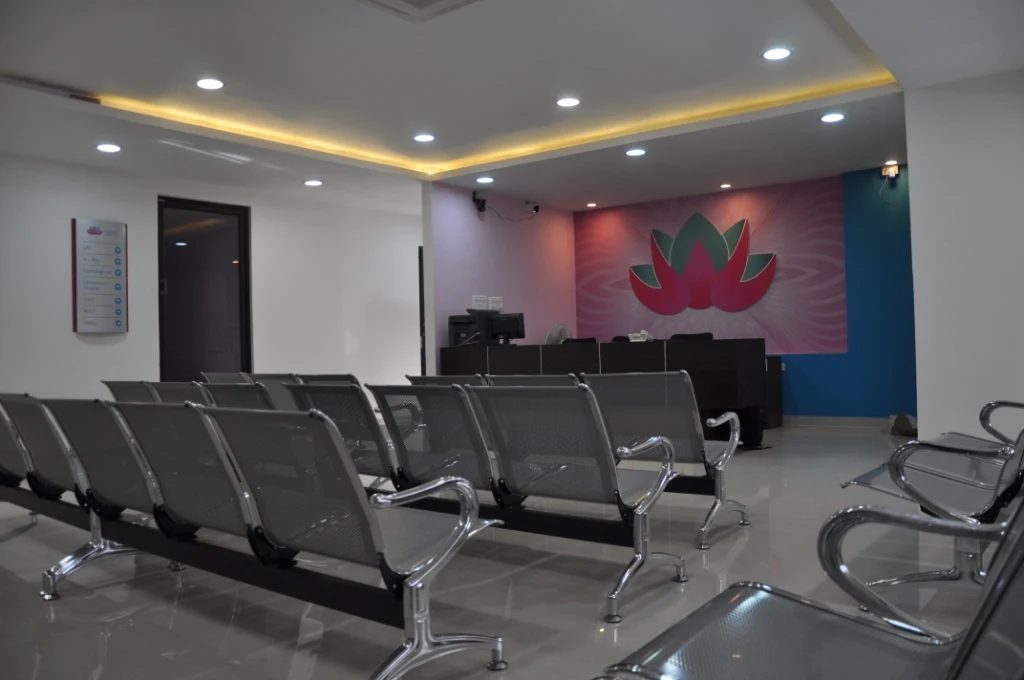 Waiting area
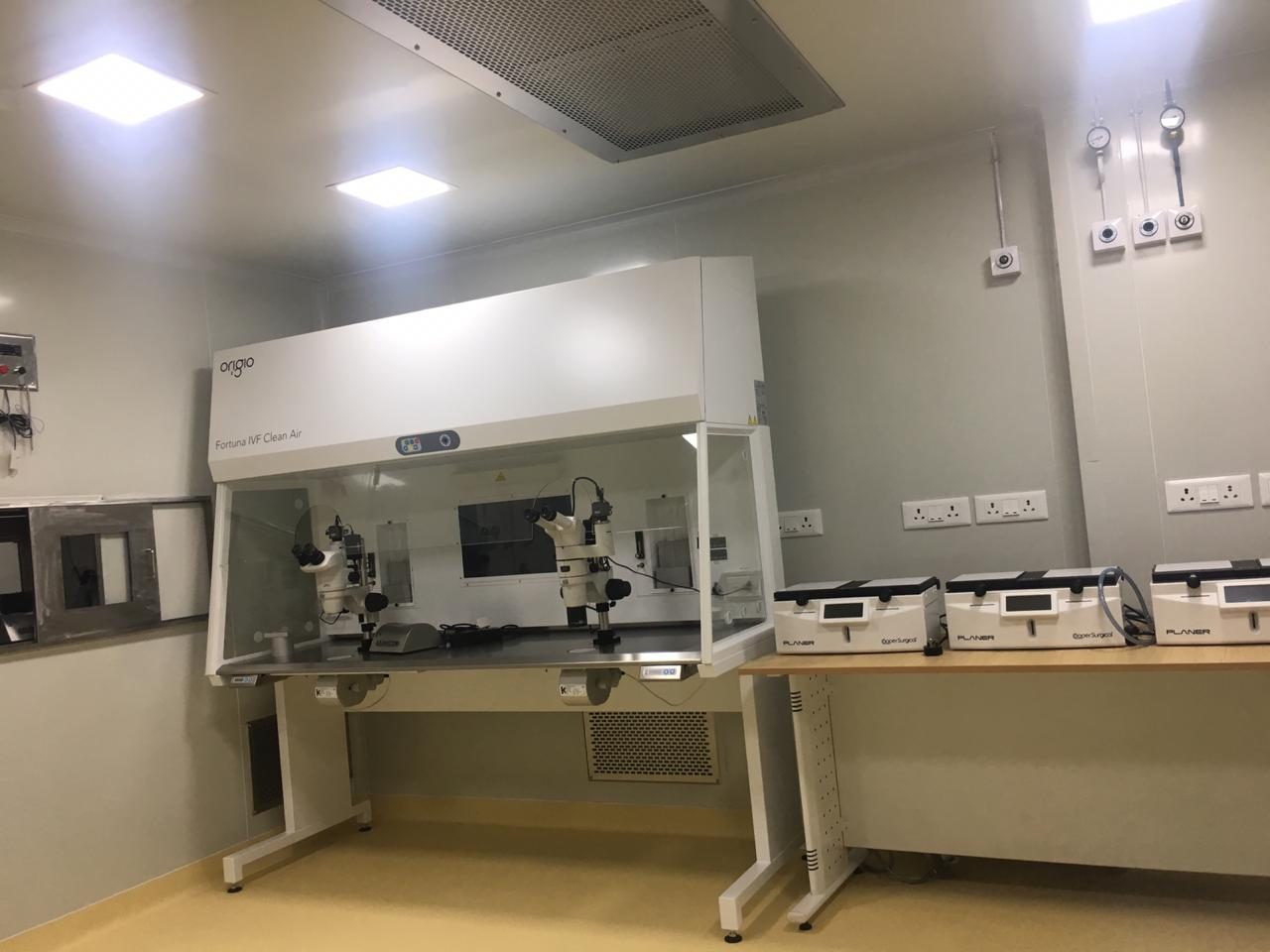 IVF lab
This page explains each test in general terms so you know what to expect. It is not medical advice: your doctor decides which tests you need and what your results mean. Reference ranges differ between laboratories. Updated 4 November 2026.