
Magnesium test
Quick answer: A magnesium test measures magnesium, a mineral needed for muscles, nerves and heart rhythm, in your blood or urine. Doctors check it with muscle cramps, weakness, irregular heartbeat, low calcium or potassium, kidney disease, or on some medicines.
- SampleBlood or urine
- TakesAbout 5 minutes for blood; 24 hours for a full urine collection
- Before the testNo special preparation is usually needed for blood; for the 24-hour urine test, you will be given a container and collection instructions.
- In fertility careIn pregnancy, magnesium levels may be checked in women being given magnesium sulphate for severe preeclampsia.
How the test is done
- 1For blood, a vein in your arm is cleaned and a needle draws a sample
- 2For spot urine, you collect a midstream sample in a container
- 3For 24-hour urine, you collect all urine over a full day
- 4The sample is sent to the lab, and a plaster is put on after a blood draw
What your results can mean
Reading your report
Normal ranges differ between labs, so compare your result with the range printed on your report and discuss it with your doctor.
If the result is outside the usual range
A low level can be seen with diarrhoea, poor diet, heavy alcohol use, poorly controlled diabetes and some medicines such as diuretics or acid-reducing tablets. A high level is less common and can be seen with kidney problems or too much magnesium from medicines or supplements.
Who usually has this test
People with muscle cramps, weakness, irregular heartbeat, low calcium or potassium, kidney disease, and pregnant women given magnesium sulphate.
Risks and aftercare
A blood sample may leave a minor bruise; urine collection has no risks.
Names and options
Also called: serum magnesium, Mg test, urine magnesium
Options
- Serum
- 24-hour urine
- Spot urine
Listed by the hospital as
- MAGNESIUM, SERUM
- MAGNESIUM, 24 HR URINE
- MAGNESIUM, SPOT URINE
Questions about this test
What are the signs of low magnesium?
Low magnesium can cause muscle cramps, twitching, weakness, tiredness and sometimes an irregular heartbeat. It often goes along with low potassium or calcium, which is why these are often tested together.
Can acid-reducing tablets lower magnesium?
Long-term use of some acid-reducing medicines, such as proton pump inhibitors, can lower magnesium in some people. Do not stop them on your own; talk to your doctor if you are worried.
Why is magnesium checked in preeclampsia?
Magnesium sulphate is given to prevent seizures in severe preeclampsia. Blood levels may be checked to make sure the dose is safe, especially if kidney function is reduced.
Related tests
Tamara Hospital & IVF Centre, Rajajinagar
34/3, 10th Cross Road, opp. Vardhaka Sardar Patel School, 1st N Block, 2nd Stage, Rajajinagar, Bengaluru 560010
The hospital is open 24 hours. Call before you come to check the timing for your scan or sample collection.
Get directions ↗IVF Pulse fertility care at Tamara Hospital →
 Reception
 Waiting area
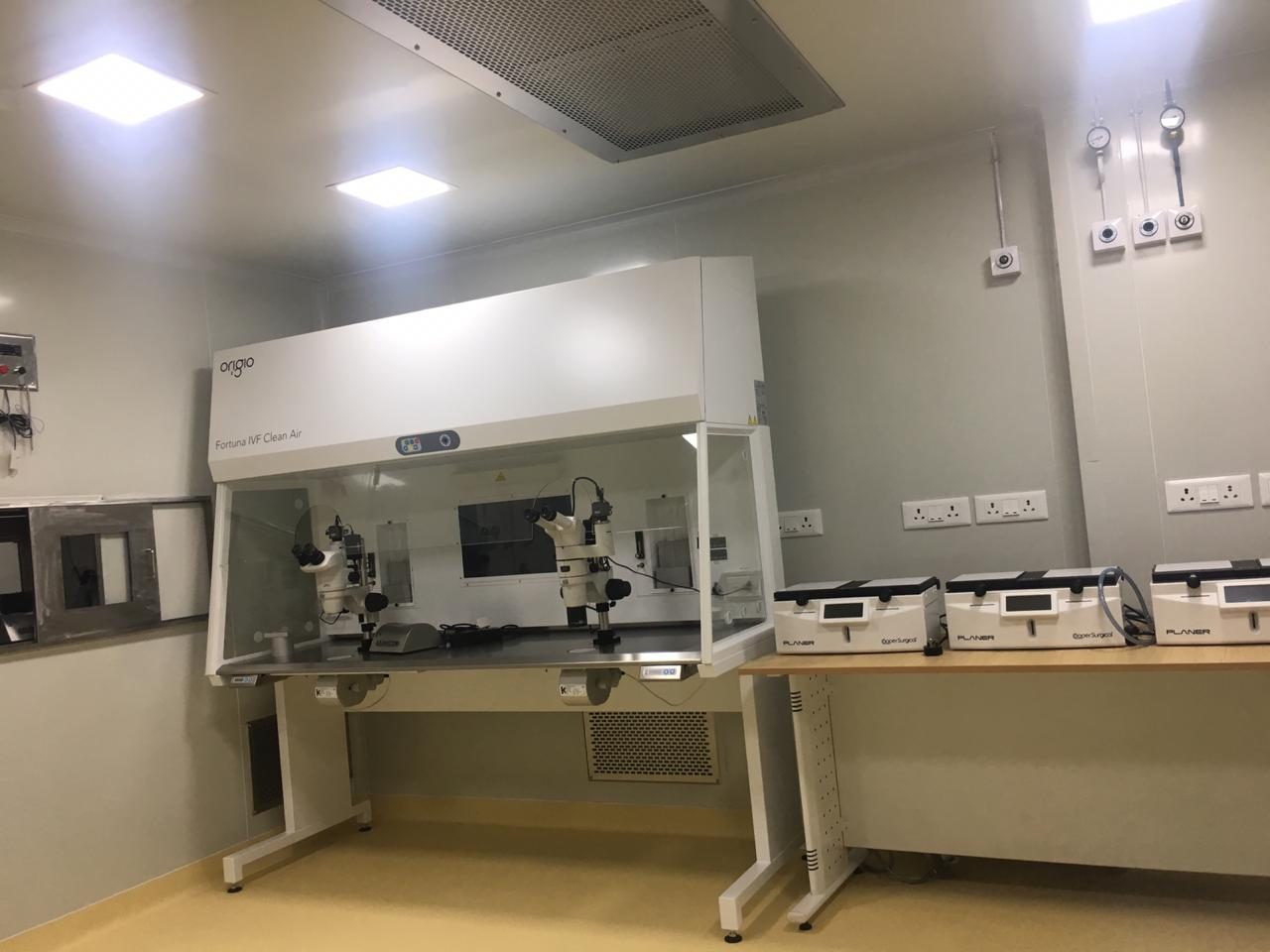 IVF lab
This page explains each test in general terms so you know what to expect. It is not medical advice: your doctor decides which tests you need and what your results mean. Reference ranges differ between laboratories. Updated 4 November 2026.