
Potassium test
Quick answer: A potassium test measures potassium, a salt that helps your nerves, muscles and heart work, in your blood or urine. It is ordered in routine panels, with weakness or irregular heartbeat, kidney disease, vomiting or diarrhoea, and on medicines such as diuretics.
- SampleBlood or urine
- TakesAbout 5 minutes for blood; up to 24 hours for urine
- Before the testNo special preparation is usually needed for blood; for the 24-hour urine test, you will be given a container and collection instructions.
How the test is done
- 1You sit down and your arm is cleaned
- 2Staff try to avoid long tourniquet time or fist clenching, which can raise potassium
- 3Blood is drawn into a tube, or urine is collected if requested
- 4The sample is sent to the lab without delay
What your results can mean
Reading your report
Normal ranges differ between labs, so compare your result with the range printed on your report and discuss it with your doctor.
If the result is outside the usual range
A high level can be seen with kidney disease, some blood pressure medicines, tissue damage or a sample that was damaged during collection. A low level can be seen with vomiting, diarrhoea, diuretics or some hormone problems.
Who usually has this test
People on diuretics or blood pressure medicines, those with kidney disease, vomiting or diarrhoea, and people with muscle weakness or an irregular heartbeat.
Risks and aftercare
There is no special aftercare after a blood test, and a urine sample carries no risk.
Names and options
Also called: serum potassium, K test, urine potassium
Options
- Serum
- Spot urine
- 24-hour urine
Listed by the hospital as
- POTASSIUM 24 HRS URINE
- POTASSIUM, SERUM
- POTASSIUM SPOT URINE
- URINE POTASSIUM SPOT
Questions about this test
Why is my potassium high when I feel fine?
Sometimes potassium is falsely high because red cells broke during collection or the sample was delayed. Your doctor may repeat the test before acting on a single high result.
Which medicines can affect potassium?
Diuretics can lower potassium, while some blood pressure medicines such as ACE inhibitors and some potassium-sparing diuretics can raise it. Do not change your medicines on your own; your doctor will review them.
What are the symptoms of low potassium?
Low potassium can cause tiredness, muscle weakness, cramps, constipation and sometimes an irregular heartbeat. Very low levels need prompt treatment.
Related tests
Tamara Hospital & IVF Centre, Rajajinagar
34/3, 10th Cross Road, opp. Vardhaka Sardar Patel School, 1st N Block, 2nd Stage, Rajajinagar, Bengaluru 560010
The hospital is open 24 hours. Call before you come to check the timing for your scan or sample collection.
Get directions ↗IVF Pulse fertility care at Tamara Hospital →
 Reception
 Waiting area
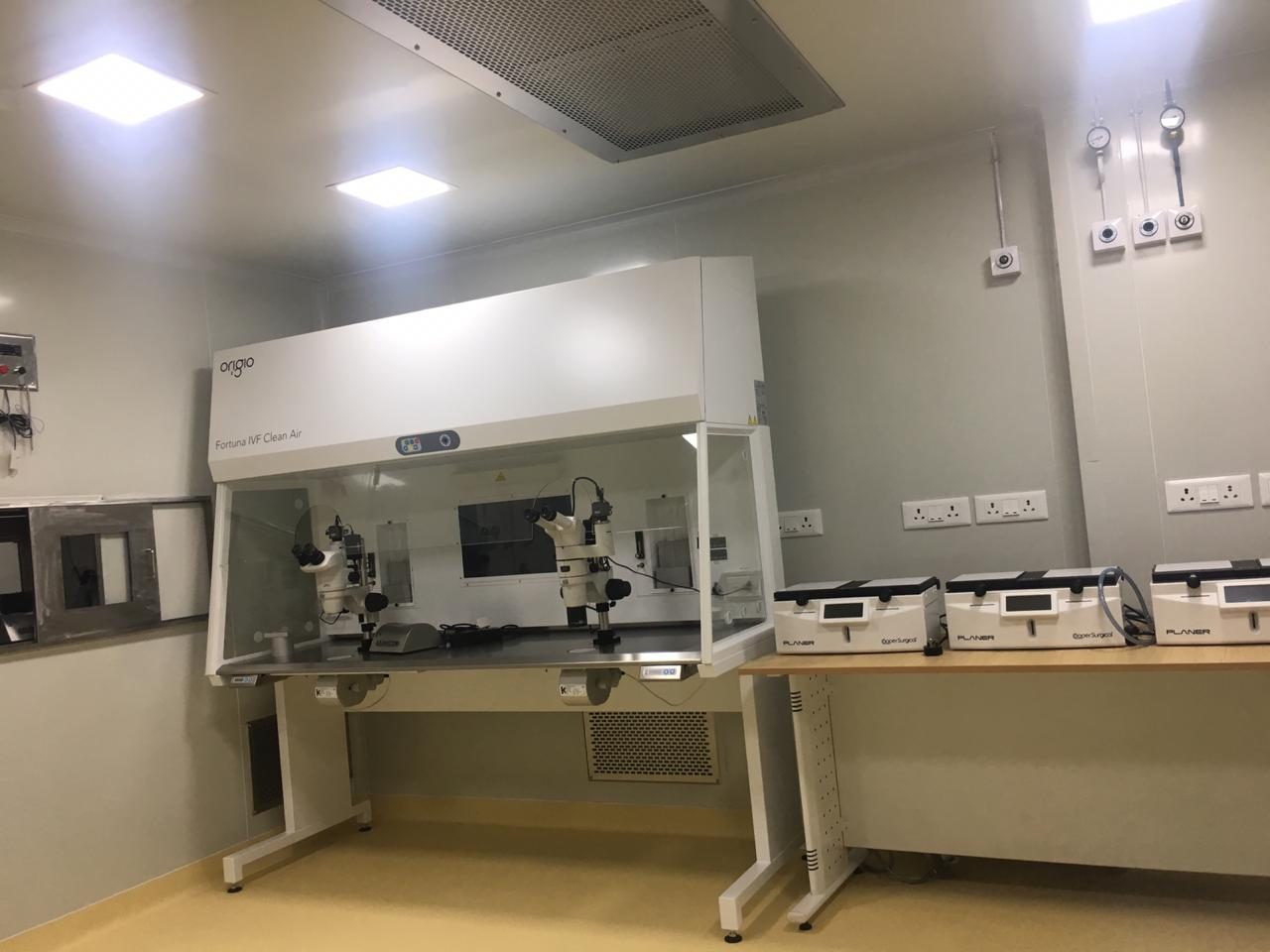 IVF lab
This page explains each test in general terms so you know what to expect. It is not medical advice: your doctor decides which tests you need and what your results mean. Reference ranges differ between laboratories. Updated 4 November 2026.