
Urine specific gravity test
Quick answer: This test measures how concentrated your urine is compared with water. It helps doctors assess hydration and how well the kidneys concentrate urine.
- SampleUrine
- TakesA few minutes to give the sample
- Before the testNo special preparation is usually needed.
How the test is done
- 1You give a fresh urine sample, sometimes first thing in the morning
- 2The lab tests it with a dipstick pad or a refractometer
- 3The reading compares how dense your urine is with water
- 4Doctors compare it with your fluid intake and other tests
What your results can mean
Reading your report
Results change with how much you have drunk, so your doctor will read them with your other tests.
If the result is outside the usual range
A high specific gravity can be seen with dehydration, vomiting, diarrhoea, or sugar or protein in the urine. A low specific gravity can be seen with drinking a lot of fluid, some kidney problems or diabetes insipidus.
Who usually has this test
People with dehydration, kidney problems or unusual thirst and urine output.
Risks and aftercare
There are no risks, and you can drink normally after the sample.
Names and options
Also called: urine SG, urine concentration test
Listed by the hospital as
- SPECIFIC GRAVITY, URINE
Questions about this test
Does drinking water before the test change the result?
Yes, drinking a lot lowers specific gravity and drinking little raises it. Drink as you normally would unless told otherwise.
Why is first-morning urine sometimes requested?
Urine is usually at its most concentrated after the night. This helps show whether the kidneys can concentrate urine properly.
Is specific gravity the same as urine osmolality?
Both show how concentrated urine is, but osmolality is measured more precisely in the lab. Doctors may order osmolality if specific gravity is unusual.
Related tests
Tamara Hospital & IVF Centre, Rajajinagar
34/3, 10th Cross Road, opp. Vardhaka Sardar Patel School, 1st N Block, 2nd Stage, Rajajinagar, Bengaluru 560010
The hospital is open 24 hours. Call before you come to check the timing for your scan or sample collection.
Get directions ↗IVF Pulse fertility care at Tamara Hospital →
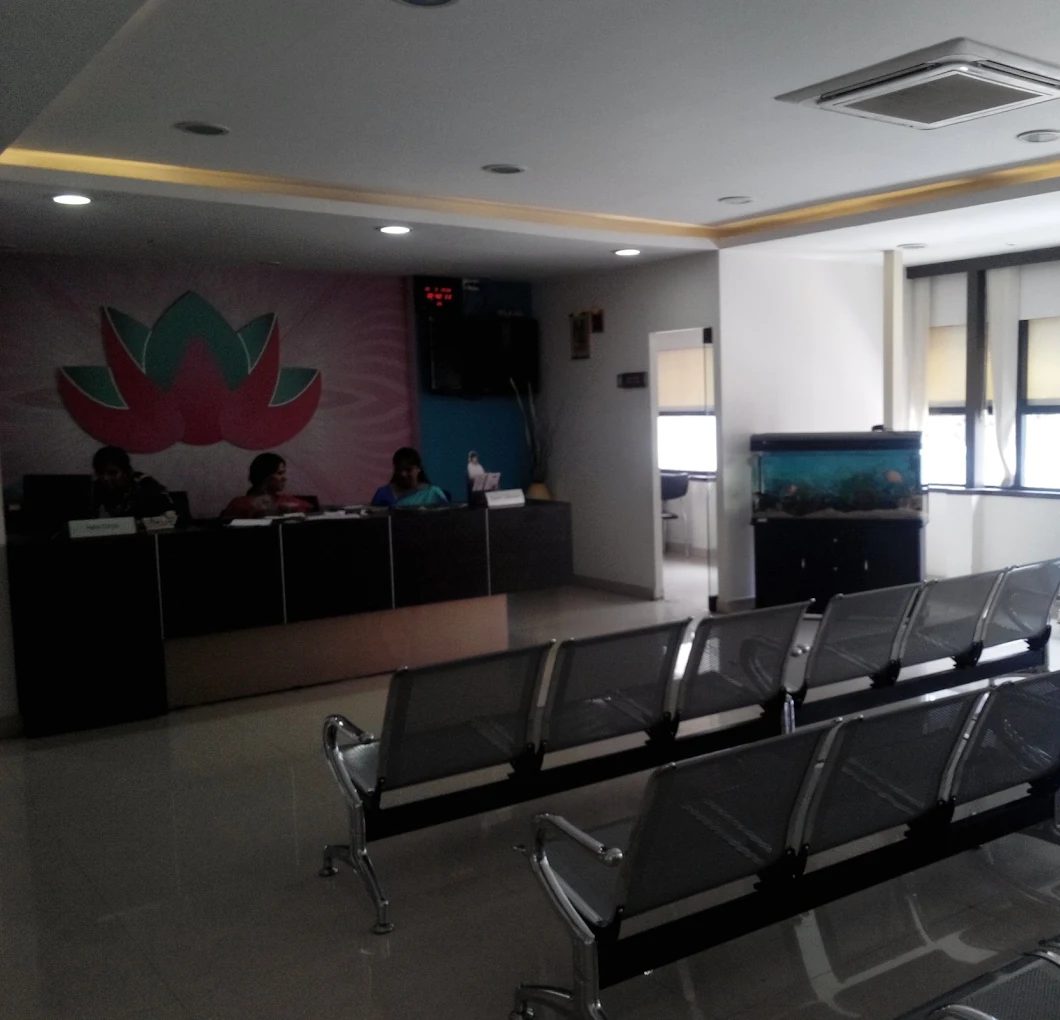 Reception
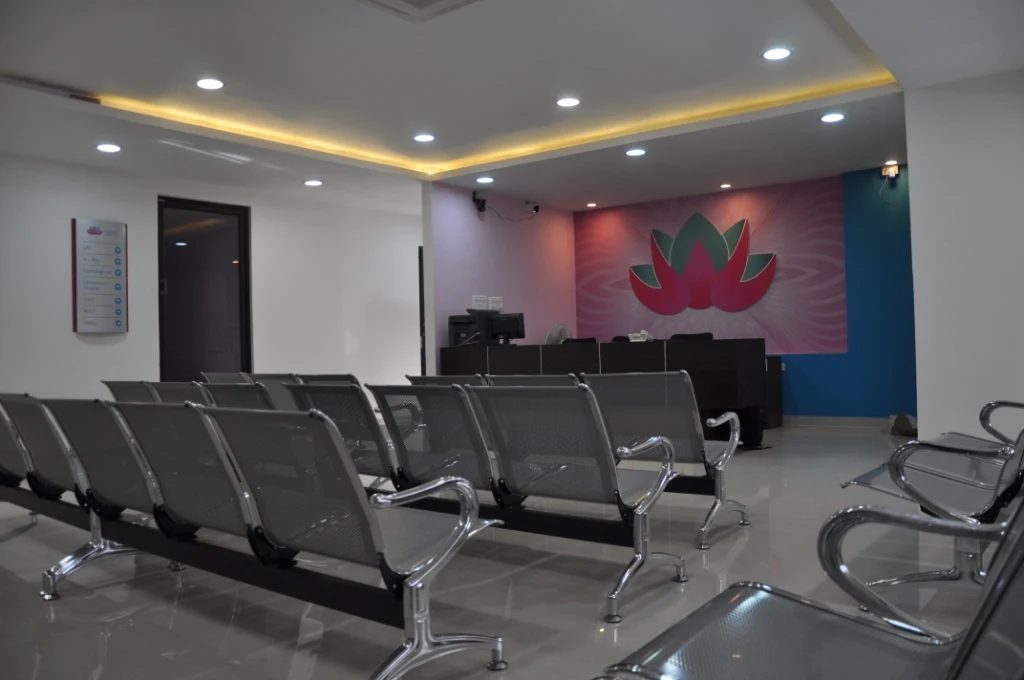 Waiting area
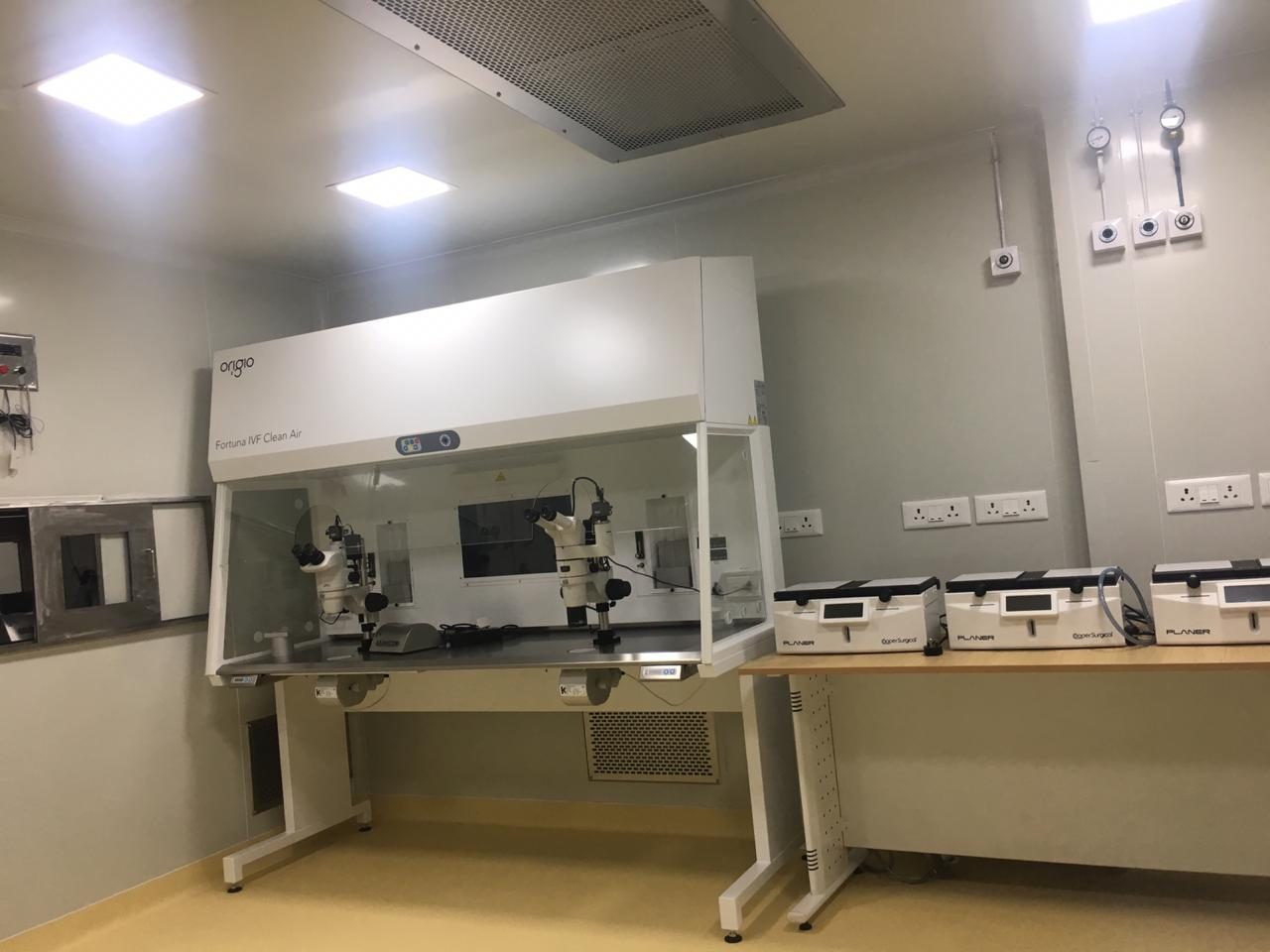 IVF lab
This page explains each test in general terms so you know what to expect. It is not medical advice: your doctor decides which tests you need and what your results mean. Reference ranges differ between laboratories. Updated 4 November 2026.