
Urine protein creatinine ratio
Quick answer: This urine test compares the amount of protein with creatinine in a single sample to estimate how much protein you are losing. It is used to check for and monitor kidney disease, and in pregnancy when preeclampsia is suspected.
- SampleUrine
- TakesA few minutes
- Before the testNo special preparation is usually needed.
- In fertility careIn pregnancy, it is a common way to check for protein in the urine when blood pressure is high.
How the test is done
- 1You are given a clean container
- 2You start passing urine into the toilet, then catch the middle part in the container
- 3You close the lid and hand it to staff
- 4The lab measures protein and creatinine in the same sample
What your results can mean
Reading your report
Normal ranges differ between labs, so compare your result with the range printed on your report and discuss it with your doctor.
If the result is outside the usual range
A raised ratio can point to kidney disease, damage from diabetes or high blood pressure, preeclampsia in pregnancy, or short-term causes such as fever, infection or heavy exercise. A normal ratio means little protein is being lost.
Who usually has this test
People with known or suspected kidney disease, and pregnant women with high blood pressure.
Risks and aftercare
There are no risks, and in pregnancy you can continue your usual blood pressure checks as advised.
Names and options
Also called: UPCR, PCR urine, protein creatinine ratio
Listed by the hospital as
- PROTEIN CREATININE RATIO
Questions about this test
Why use a protein creatinine ratio instead of a 24-hour urine test?
The ratio uses a single sample and corrects for how concentrated your urine is, so it is easier than collecting urine for 24 hours. It gives a good estimate of daily protein loss in most situations.
Why is this test done in pregnancy?
If your blood pressure is high in pregnancy, protein in the urine can be a sign of preeclampsia. The protein creatinine ratio is a common way to check this.
Can a urine infection raise the result?
Yes. A urine infection, fever or heavy exercise can raise urine protein for a short time. Your doctor may repeat the test once these have settled.
Related tests
Tamara Hospital & IVF Centre, Rajajinagar
34/3, 10th Cross Road, opp. Vardhaka Sardar Patel School, 1st N Block, 2nd Stage, Rajajinagar, Bengaluru 560010
The hospital is open 24 hours. Call before you come to check the timing for your scan or sample collection.
Get directions ↗IVF Pulse fertility care at Tamara Hospital →
 Reception
 Waiting area
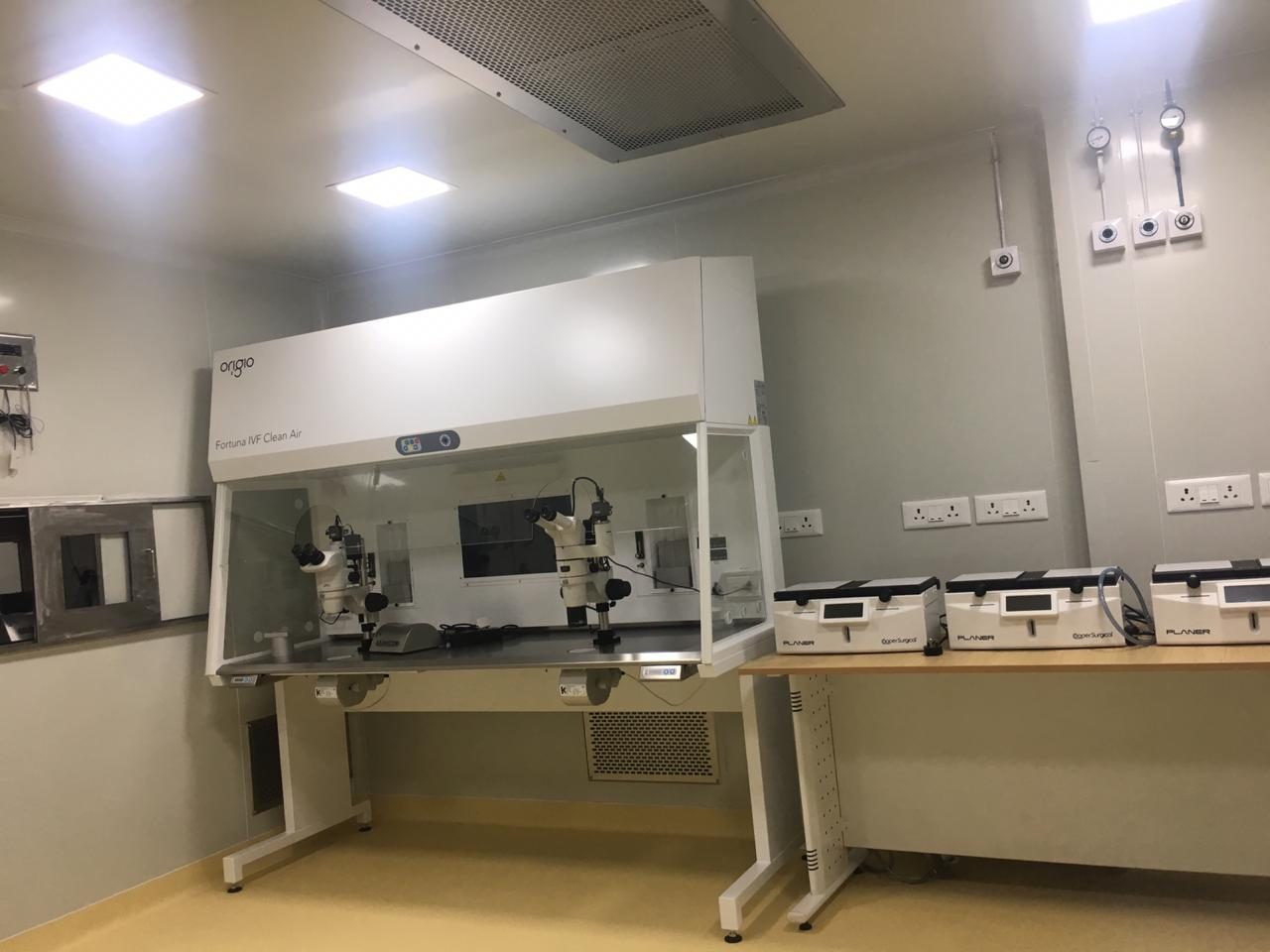 IVF lab
This page explains each test in general terms so you know what to expect. It is not medical advice: your doctor decides which tests you need and what your results mean. Reference ranges differ between laboratories. Updated 4 November 2026.