
Urine cytology
Quick answer: Urine cytology looks at cells in a urine sample under a microscope to check for abnormal cells from the bladder or urinary tract. Doctors order it for blood in the urine, or to follow people treated for bladder cancer.
- SampleUrine
- TakesA few minutes for each sample
- Before the testFollow the lab's instructions on which urine sample to give; sometimes samples on more than one day are needed.
How the test is done
- 1You are given a clean container and told which urine sample to collect
- 2Often a mid-morning sample is preferred rather than the first urine of the day
- 3You pass the first part into the toilet and collect the middle part in the container
- 4Samples on two or three separate days may be requested
What your results can mean
Reading your report
A pathologist examines the cells under a microscope and writes a report; discuss what it means for you with your doctor.
If the result is outside the usual range
The lab may report abnormal or suspicious cells, which can point to cancer of the bladder or urinary tract, or atypical cells, which can also be seen with infection, stones or inflammation. A negative result does not fully rule out a low-grade bladder tumour.
Who usually has this test
People with blood in the urine, especially smokers and older adults, and people being followed up after bladder cancer treatment.
Risks and aftercare
There is no risk or discomfort from giving a urine sample.
Names and options
Also called: urine cytology, urine for malignant cells, urine cancer cells test
Listed by the hospital as
- CYTOLOGY, URINE
Questions about this test
Why not use the first urine of the morning?
Cells that sit in the bladder overnight can break down and become harder to read. A fresh sample later in the morning usually gives better cells.
Does blood in the urine always mean cancer?
No, it is more often from infection, stones or other causes. It should still be checked by a doctor, especially if you can see it.
Can urine cytology replace a cystoscopy?
No, urine cytology is used alongside a cystoscopy, where the doctor looks inside the bladder with a camera. Cytology can miss some low-grade tumours.
Related tests
Tamara Hospital & IVF Centre, Rajajinagar
34/3, 10th Cross Road, opp. Vardhaka Sardar Patel School, 1st N Block, 2nd Stage, Rajajinagar, Bengaluru 560010
The hospital is open 24 hours. Call before you come to check the timing for your scan or sample collection.
Get directions ↗IVF Pulse fertility care at Tamara Hospital →
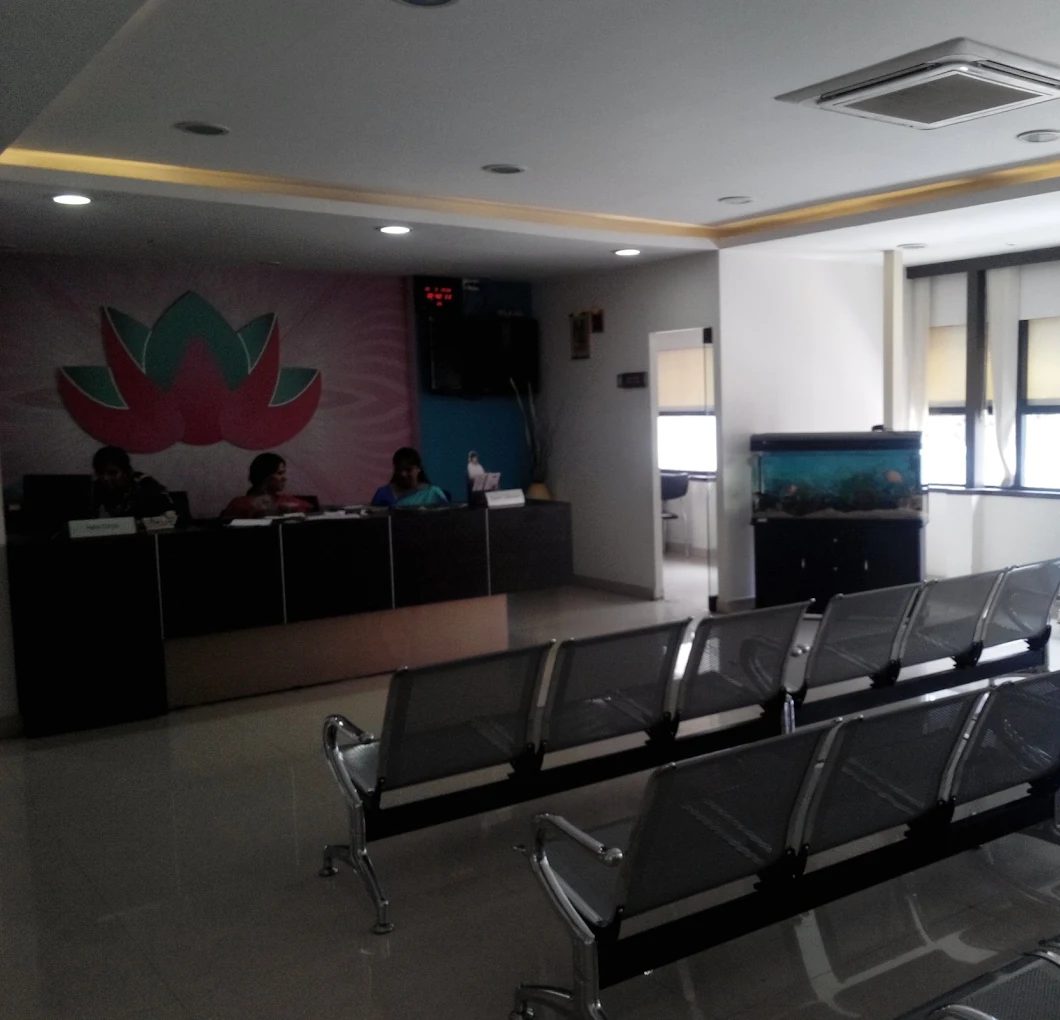 Reception
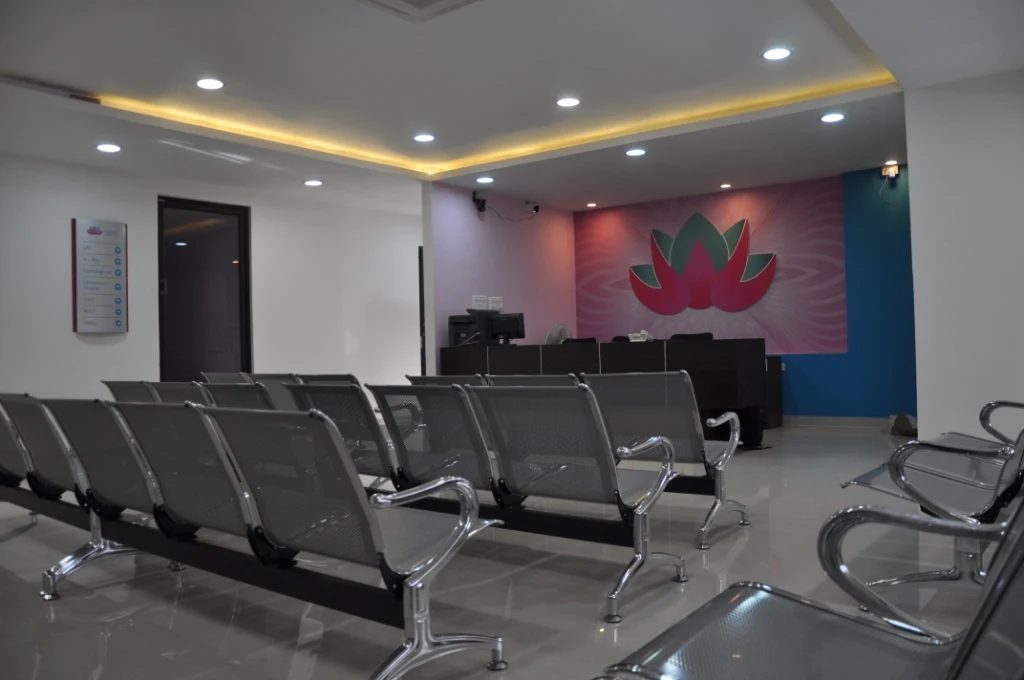 Waiting area
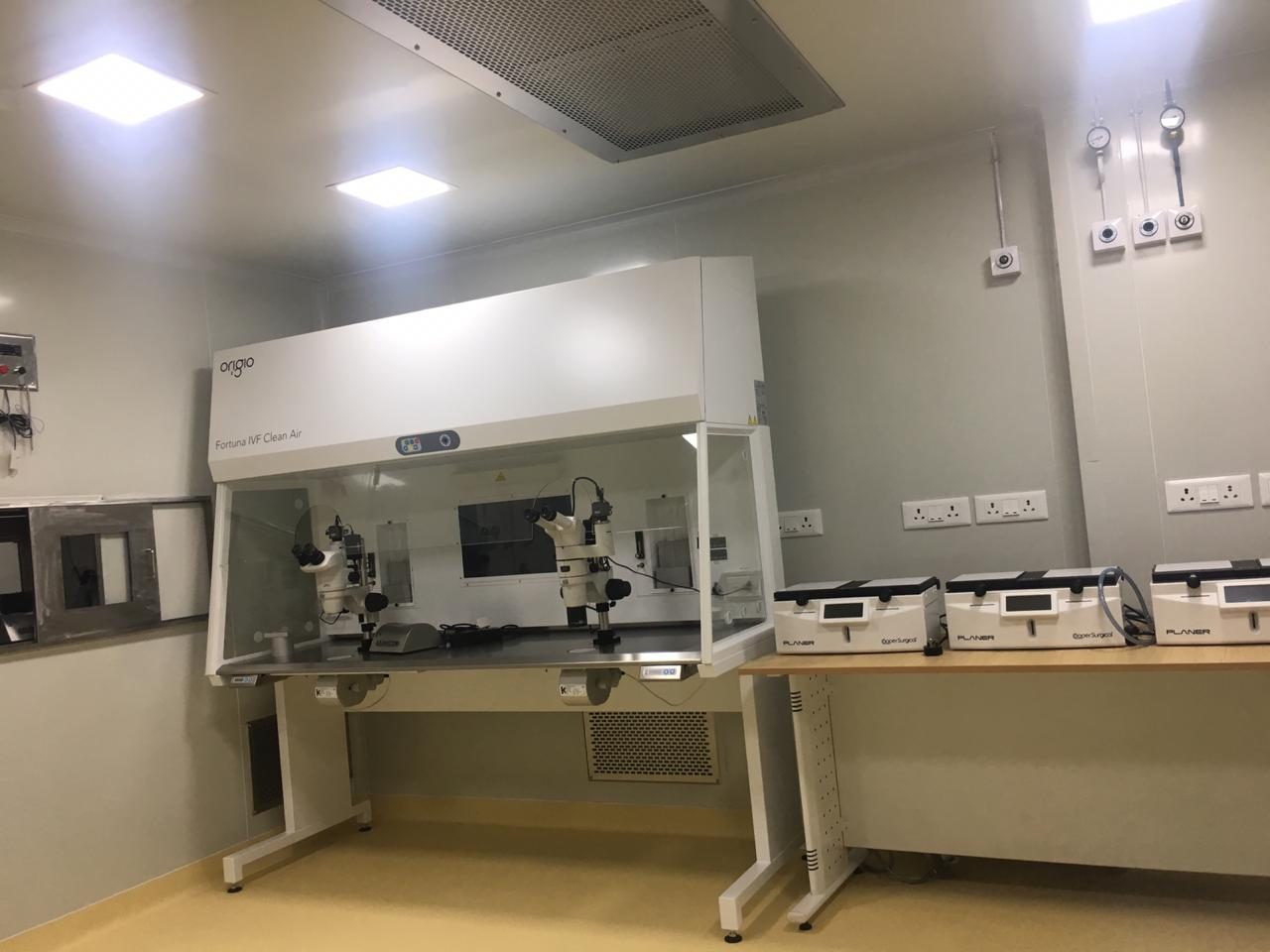 IVF lab
This page explains each test in general terms so you know what to expect. It is not medical advice: your doctor decides which tests you need and what your results mean. Reference ranges differ between laboratories. Updated 4 November 2026.