
Kidney stone analysis
Quick answer: Stone analysis finds out what a kidney or bladder stone is made of, such as calcium oxalate or uric acid. It helps doctors suggest diet changes or treatment to lower the chance of more stones forming.
- SampleStone
- TakesA few minutes to hand in the stone
- Before the testBring the stone dry in a clean, closed container; do not add any liquid or tape it to paper.
How the test is done
- 1You strain your urine through a sieve or gauze to catch the stone, or it is removed during a procedure
- 2You let the stone dry and place it in a clean, closed container
- 3You bring the container to the lab with your details
- 4The lab examines the stone to find what minerals it is made of
What your results can mean
Reading your report
Your doctor uses the stone type to guide prevention advice.
If the result is outside the usual range
The result shows the type of stone, such as calcium oxalate, calcium phosphate, uric acid, struvite or cystine. Each type can point to different causes, such as diet, low fluid intake, infection, high uric acid or rare inherited conditions.
Who usually has this test
People who have passed a kidney or bladder stone or had one removed, especially if stones keep coming back.
Risks and aftercare
There are no risks from handing in a stone.
Names and options
Also called: calculus analysis, renal stone analysis
Listed by the hospital as
- STONE ANALYSIS
Questions about this test
How do I catch a kidney stone for analysis?
Pass urine through a fine sieve, strainer or gauze while you have symptoms. Let any stone or gravel you catch dry, and place it in a clean container without liquid or tape.
Why does the type of stone matter?
Different stone types form for different reasons. Knowing the type helps your doctor suggest the right diet, fluid intake or medicine to reduce the chance of new stones.
What is the most common type of kidney stone?
Calcium oxalate stones are the most common type. Uric acid, calcium phosphate and infection-related stones are less common.
Related tests
Tamara Hospital & IVF Centre, Rajajinagar
34/3, 10th Cross Road, opp. Vardhaka Sardar Patel School, 1st N Block, 2nd Stage, Rajajinagar, Bengaluru 560010
The hospital is open 24 hours. Call before you come to check the timing for your scan or sample collection.
Get directions ↗IVF Pulse fertility care at Tamara Hospital →
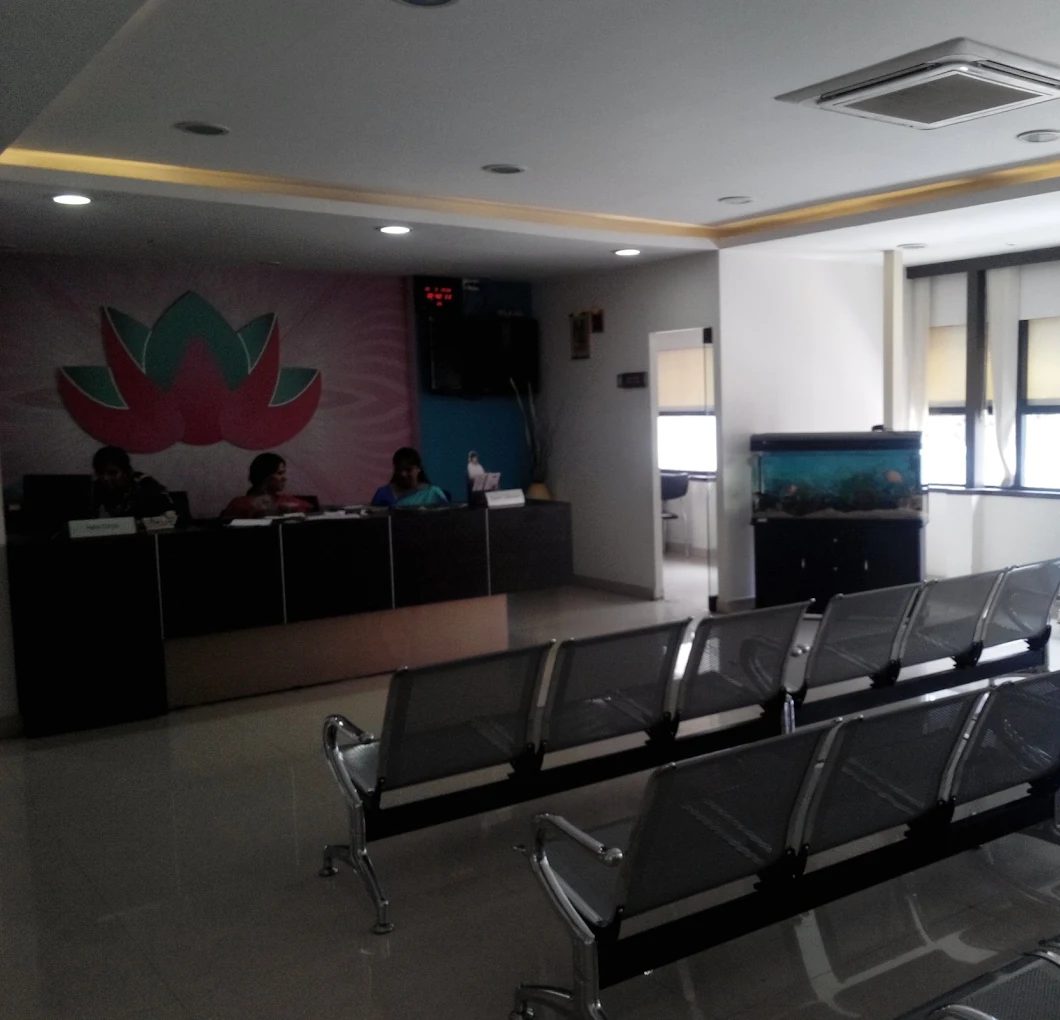 Reception
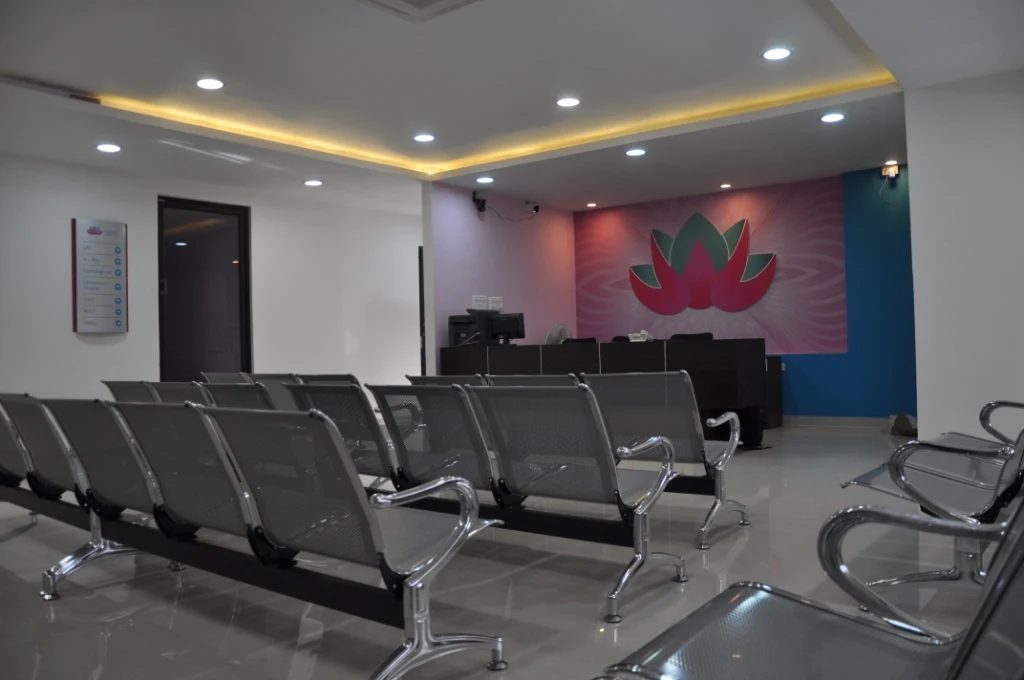 Waiting area
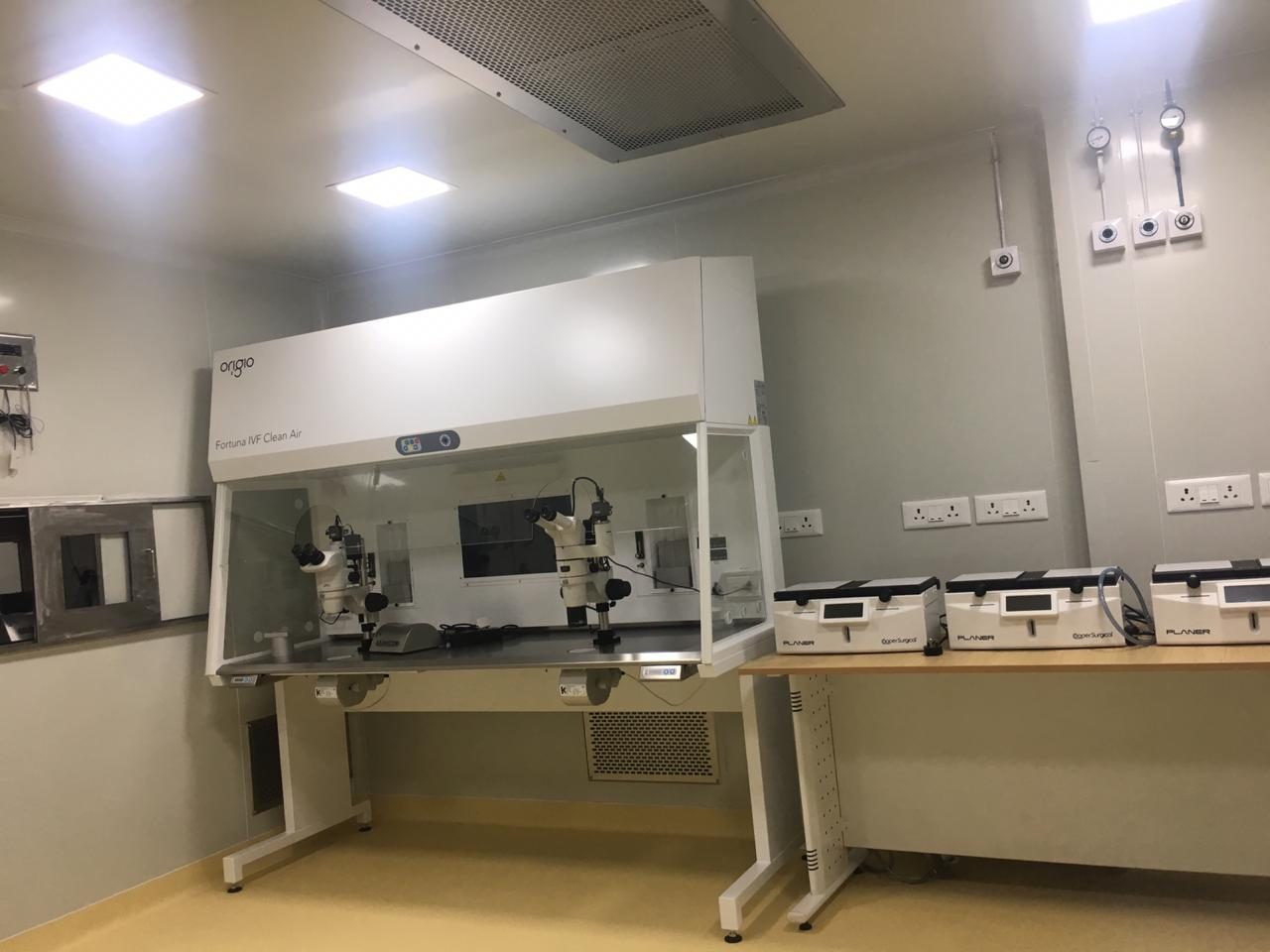 IVF lab
This page explains each test in general terms so you know what to expect. It is not medical advice: your doctor decides which tests you need and what your results mean. Reference ranges differ between laboratories. Updated 4 November 2026.