
Oxalate test
Quick answer: An oxalate test measures oxalate, a substance that can combine with calcium to form kidney stones. It is mainly ordered for people with repeated kidney stones, and occasionally in kidney failure or rare inherited conditions.
- SampleBlood or 24-hour urine
- Takes24 hours for urine; about 5 minutes for blood
- Before the testFor the 24-hour urine test, you will be given a container and collection instructions; your doctor may ask you to follow your usual diet.
How the test is done
- 1You are given a container, often with a preservative, and instructions
- 2You throw away your first morning urine and note the time
- 3You collect all urine over the next 24 hours while eating your usual diet
- 4For blood, a sample is drawn from a vein instead
What your results can mean
Reading your report
Normal ranges differ between labs, so compare your result with the range printed on your report and discuss it with your doctor.
If the result is outside the usual range
A high urine oxalate can be seen with a high-oxalate diet, low calcium intake, gut problems that affect fat absorption, or rare inherited conditions, and it raises the chance of kidney stones. A high blood oxalate is mainly seen with kidney failure or inherited conditions.
Who usually has this test
People with repeated kidney stones, especially calcium oxalate stones, and those with kidney failure or a suspected inherited oxalate condition.
Risks and aftercare
There are no risks from urine collection; handle any preservative in the container with care.
Names and options
Also called: urine oxalate, serum oxalate
Options
- Serum
- 24-hour urine
Listed by the hospital as
- OXALATE, SERUM
- OXALATE, 24 HRS URINE
Questions about this test
Which foods are high in oxalate?
Foods such as spinach, beetroot, nuts, chocolate and some teas are high in oxalate. Your doctor or dietitian can advise whether you need to limit them, as cutting calcium too much can actually raise oxalate absorption.
Should I change my diet before a 24-hour urine oxalate test?
Usually not. Most doctors want you to eat your normal diet so the test shows your usual oxalate level. Follow any specific instructions you are given.
How does oxalate cause kidney stones?
Oxalate can bind with calcium in urine to form crystals that grow into stones. High urine oxalate, low fluid intake and low urine citrate all raise the risk.
Related tests
Tamara Hospital & IVF Centre, Rajajinagar
34/3, 10th Cross Road, opp. Vardhaka Sardar Patel School, 1st N Block, 2nd Stage, Rajajinagar, Bengaluru 560010
The hospital is open 24 hours. Call before you come to check the timing for your scan or sample collection.
Get directions ↗IVF Pulse fertility care at Tamara Hospital →
 Reception
 Waiting area
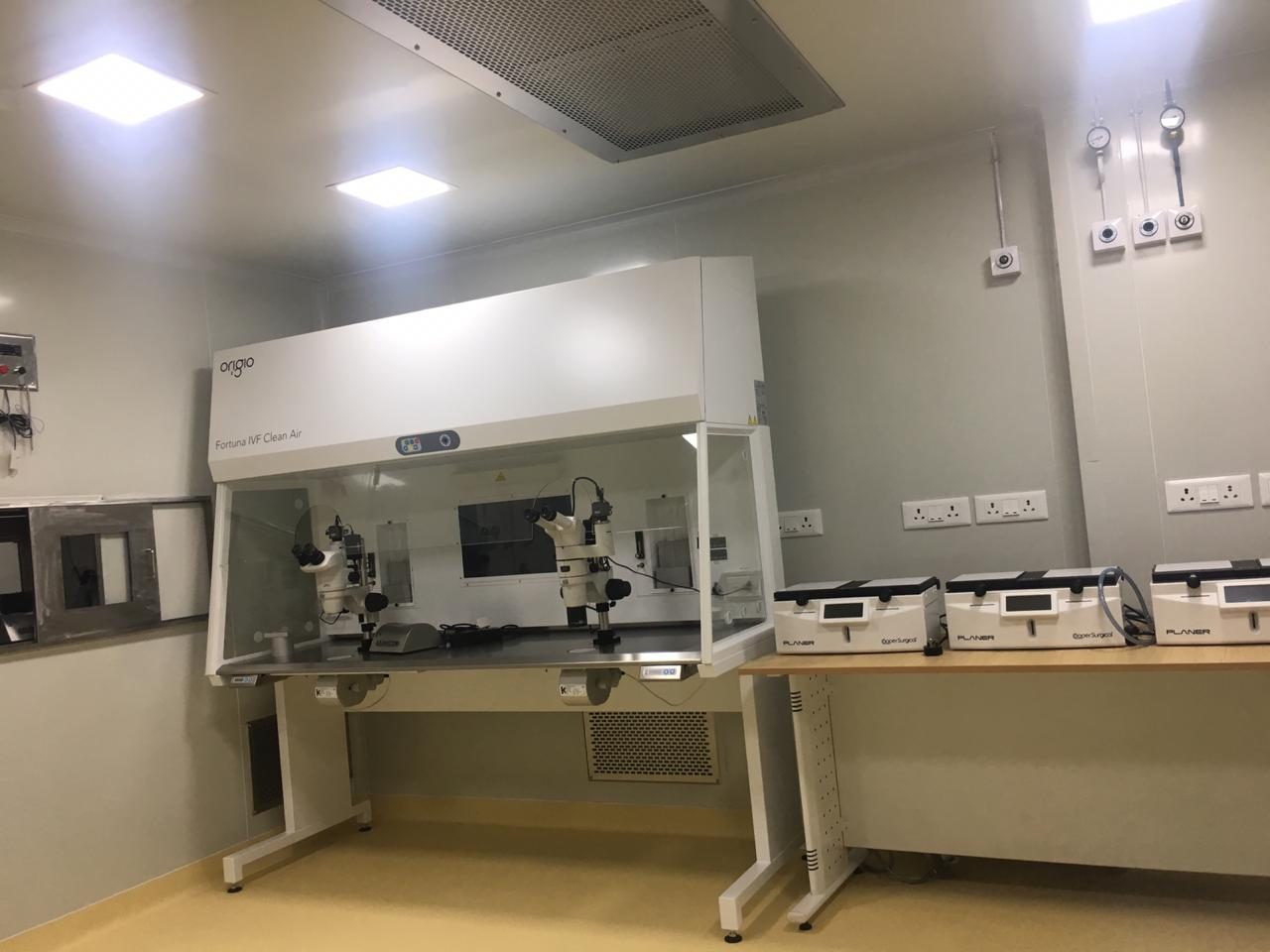 IVF lab
This page explains each test in general terms so you know what to expect. It is not medical advice: your doctor decides which tests you need and what your results mean. Reference ranges differ between laboratories. Updated 4 November 2026.