
Selenium blood test
Quick answer: This test measures selenium, a trace mineral the body needs in small amounts, in your blood. It is occasionally ordered when deficiency or excess is suspected, such as in long-term drip feeding, gut absorption problems or supplement overuse.
- SampleBlood
- TakesAbout 5 minutes
- Before the testNo special preparation is usually needed.
How the test is done
- 1You may be asked about supplements and diet
- 2A vein in your arm is cleaned
- 3Blood is collected into a special metal-free tube
- 4A plaster is placed on the spot
What your results can mean
Reading your report
Normal ranges differ between labs, so compare your result with the range printed on your report and discuss it with your doctor.
If the result is outside the usual range
A low selenium can be seen with long-term drip feeding, gut absorption problems or a very limited diet. A high level is usually seen with too many supplements and can cause hair loss, brittle nails and a garlic smell on the breath.
Who usually has this test
People on long-term drip feeding, with gut absorption problems, or taking high-dose supplements.
Risks and aftercare
You can continue as normal afterwards, though the needle site may feel tender briefly.
Names and options
Also called: selenium level
Listed by the hospital as
- SELENIUM, BLOOD
Questions about this test
Does selenium help fertility?
Selenium is needed in small amounts for sperm and thyroid health, but there is not enough evidence that extra supplements improve fertility in people who are not deficient. Too much can be harmful, so ask your doctor before taking it.
What are the signs of too much selenium?
Too much selenium can cause hair loss, brittle nails, skin rash, tiredness, stomach upset and a garlic smell on the breath. It usually happens with high-dose supplements.
Can I get enough selenium from food?
Most people get enough from foods such as eggs, fish, grains and nuts. Deficiency is uncommon unless there is a medical problem with absorption or feeding.
Related tests
Tamara Hospital & IVF Centre, Rajajinagar
34/3, 10th Cross Road, opp. Vardhaka Sardar Patel School, 1st N Block, 2nd Stage, Rajajinagar, Bengaluru 560010
The hospital is open 24 hours. Call before you come to check the timing for your scan or sample collection.
Get directions ↗IVF Pulse fertility care at Tamara Hospital →
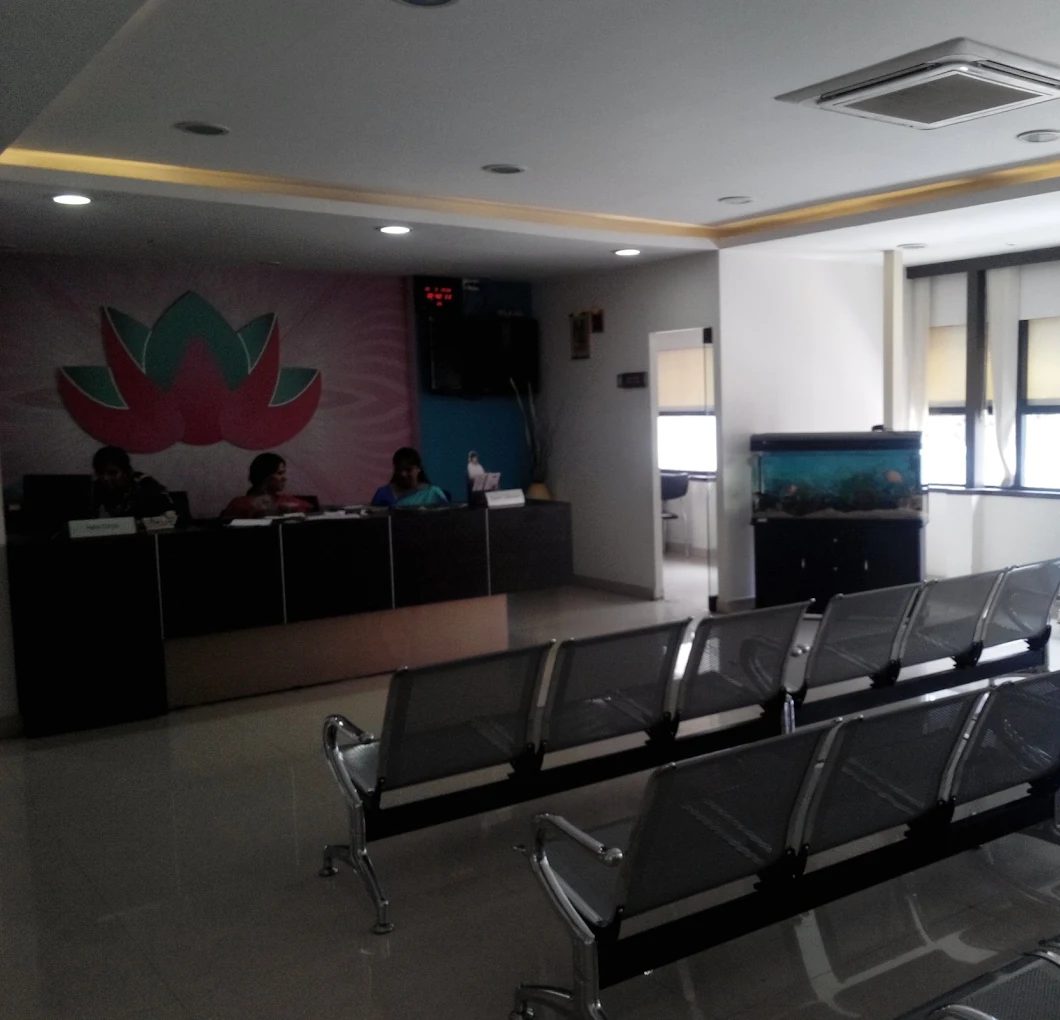 Reception
 Waiting area
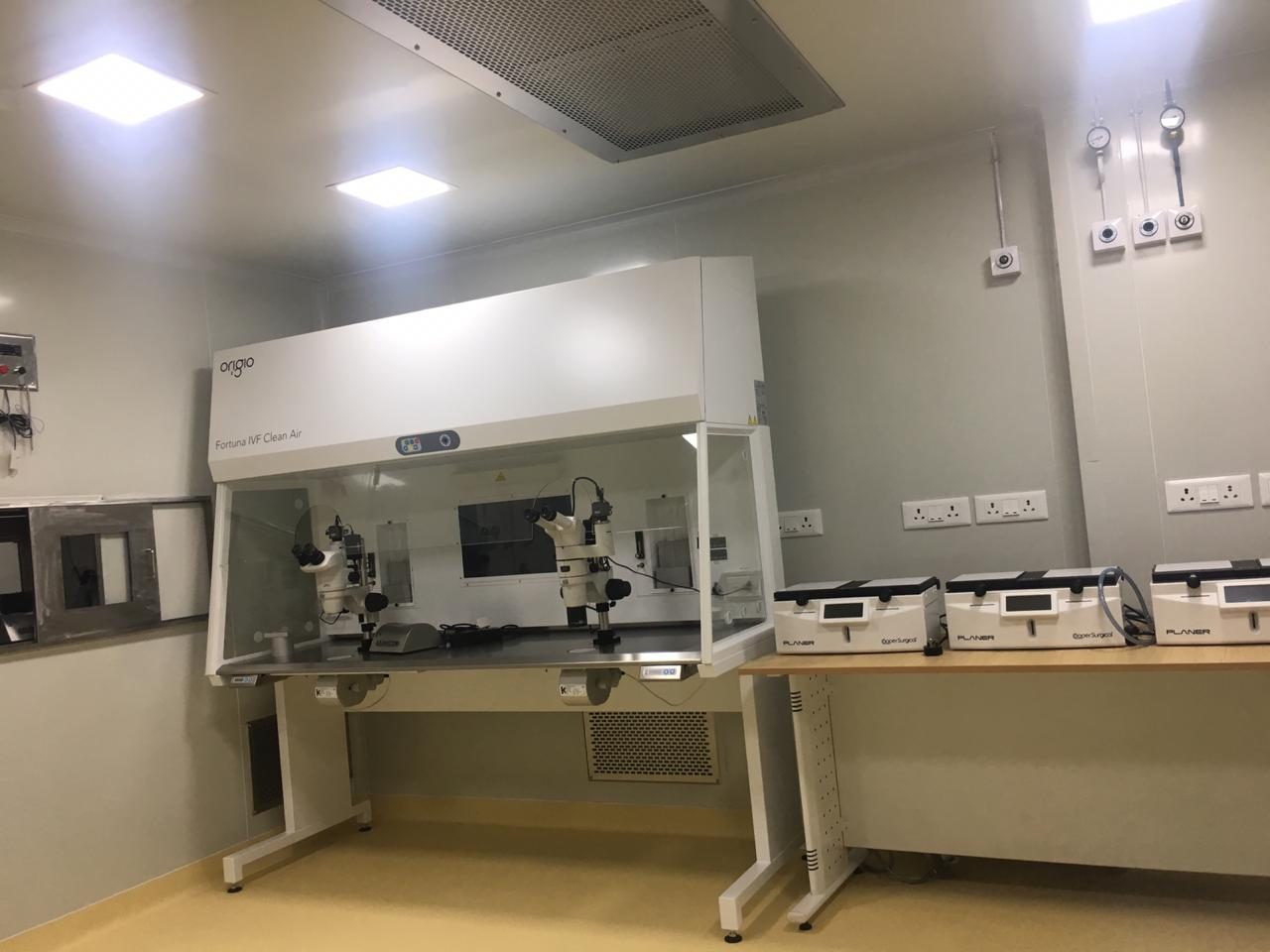 IVF lab
This page explains each test in general terms so you know what to expect. It is not medical advice: your doctor decides which tests you need and what your results mean. Reference ranges differ between laboratories. Updated 4 November 2026.