
Quadruple marker test (quad screen)
Quick answer: The quadruple marker test is a blood test in pregnancy that measures four substances (AFP, hCG, estriol and inhibin A) to estimate the chance of some chromosomal conditions and neural tube defects. It is offered in the second trimester, usually between about 15 and 20 weeks.
- SampleBlood
- TakesAbout 5 minutes
- Before the testNo special preparation is usually needed; bring your dating scan report, as correct pregnancy dates and your weight are used in the calculation.
- In fertility careIt is a screening test in pregnancy for conditions such as Down syndrome and open neural tube defects.
How the test is done
- 1Staff note your pregnancy dates, weight and other details on the form
- 2A vein in your arm is cleaned
- 3Blood is drawn into a tube
- 4The lab measures four markers and calculates a risk using your details
What your results can mean
Reading your report
The report gives a risk, not a diagnosis; a higher-risk result means you may be offered further tests, so discuss it with your doctor.
If the result is outside the usual range
A higher-risk result for Down syndrome or other chromosomal conditions means further tests may be offered, and a raised AFP can point to a higher chance of an open neural tube defect. Wrong pregnancy dates, twins and IVF pregnancies can also affect the markers.
Who usually has this test
Pregnant women between about 15 and 20 weeks, especially those who did not have first-trimester screening.
Risks and aftercare
There are no risks to you or the baby from the blood test.
Names and options
Also called: quad marker, quad screen, quadruple test, second trimester screening
Listed by the hospital as
- QUADRUPLE MARKER
Questions about this test
When is the quadruple marker test done?
It is usually done between about 15 and 20 weeks of pregnancy. The exact window can differ slightly between labs, so check with your doctor.
What if my quadruple marker result is high risk?
A high-risk result does not mean your baby has a condition. It means further testing, such as a detailed scan, NIPT or a diagnostic test, may be offered. Your doctor will explain the options.
Is the quadruple marker test reliable for IVF pregnancies?
It can be used, but IVF pregnancies and twins can affect the marker levels, so the lab adjusts for these where possible. Tell staff if your pregnancy is from IVF, including donor eggs, so the calculation uses the right details.
Related tests
Tamara Hospital & IVF Centre, Rajajinagar
34/3, 10th Cross Road, opp. Vardhaka Sardar Patel School, 1st N Block, 2nd Stage, Rajajinagar, Bengaluru 560010
The hospital is open 24 hours. Call before you come to check the timing for your scan or sample collection.
Get directions ↗IVF Pulse fertility care at Tamara Hospital →
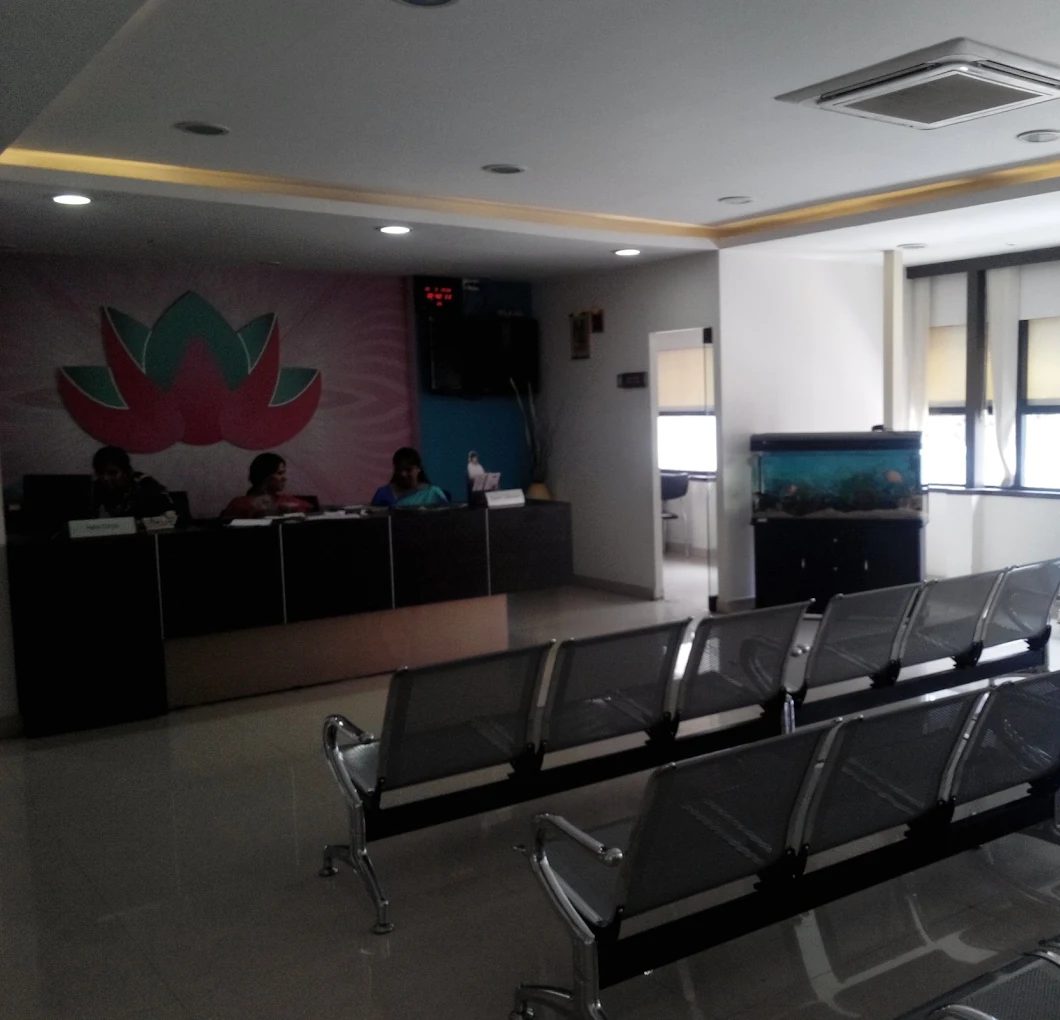 Reception
 Waiting area
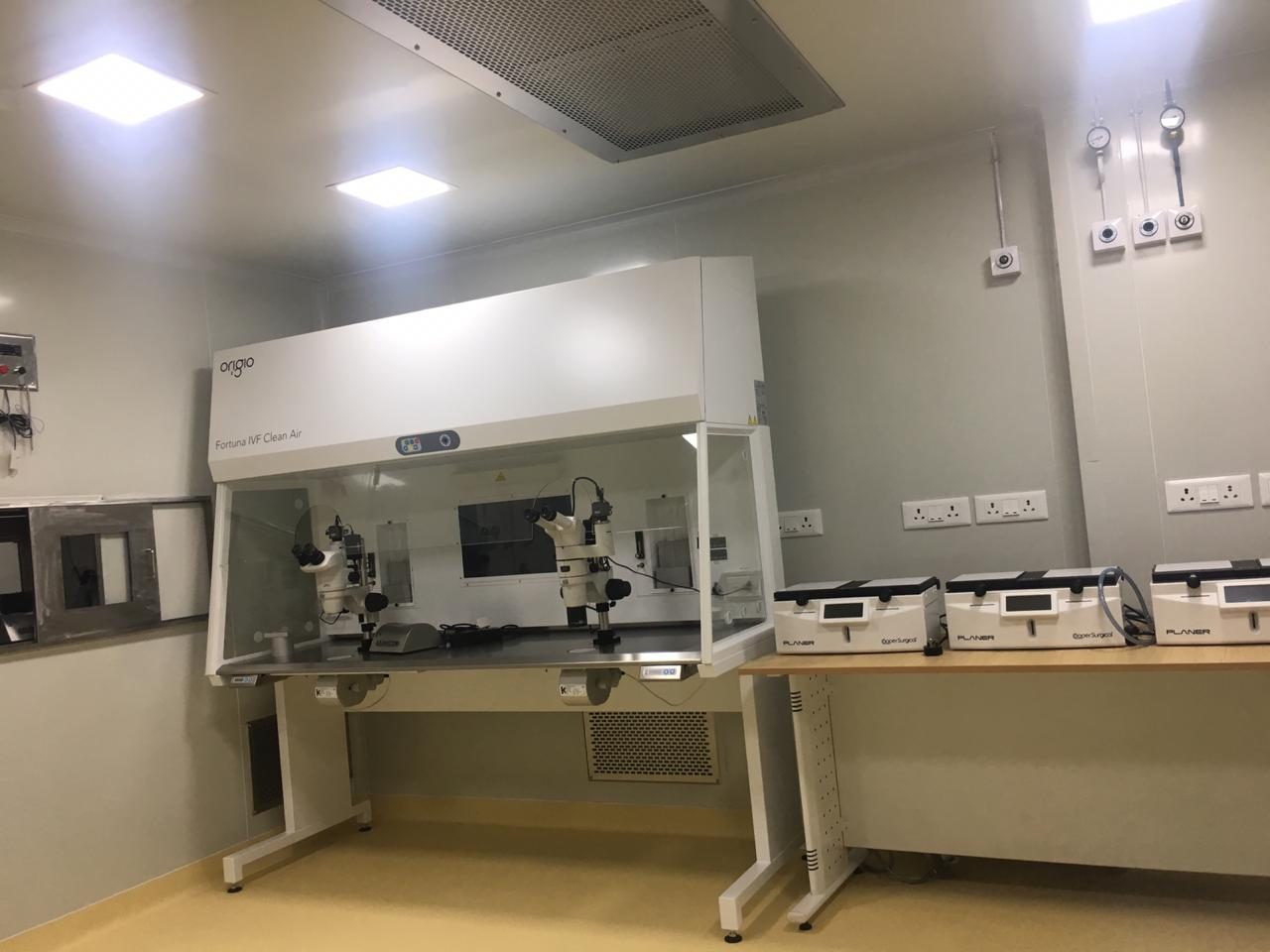 IVF lab
This page explains each test in general terms so you know what to expect. It is not medical advice: your doctor decides which tests you need and what your results mean. Reference ranges differ between laboratories. Updated 4 November 2026.