
Pseudocholinesterase test
Quick answer: This blood test measures pseudocholinesterase, an enzyme that breaks down some muscle-relaxing medicines used in anaesthesia and some pesticides. It is ordered before surgery if you or a relative had prolonged paralysis after anaesthesia, or when pesticide poisoning is suspected.
- SampleBlood
- TakesAbout 5 minutes
- Before the testNo special preparation is usually needed.
How the test is done
- 1You are seated and a vein in your arm is cleaned
- 2Blood is drawn into a tube
- 3The lab measures the enzyme activity
- 4Sometimes extra tests are done on the same sample to check for inherited variants
What your results can mean
Reading your report
Normal ranges differ between labs, so compare your result with the range printed on your report and discuss it with your doctor.
If the result is outside the usual range
A low level can point to an inherited variant that slows the breakdown of some muscle relaxants used in anaesthesia, or to pesticide poisoning, liver disease, pregnancy or poor nutrition. High levels are not usually a concern.
Who usually has this test
People who had prolonged paralysis after anaesthesia, their close relatives, and people with suspected organophosphate pesticide poisoning.
Risks and aftercare
There is no special aftercare; if your result is low, tell every anaesthetist and surgeon you see in future.
Names and options
Also called: butyrylcholinesterase, cholinesterase test
Listed by the hospital as
- PSEUDOCHOLINESTERASE, SERUM
Questions about this test
What is pseudocholinesterase deficiency?
It is a usually inherited condition in which the body breaks down certain anaesthetic muscle relaxants, such as suxamethonium, very slowly. This can cause longer paralysis after surgery. It does not usually cause problems in daily life.
Why might my family be tested?
Because the condition can run in families, relatives of someone with a reaction to anaesthesia may be offered testing. Knowing in advance helps anaesthetists choose safer medicines.
Why is this test used in pesticide poisoning?
Organophosphate pesticides, which are a common cause of poisoning in India, lower cholinesterase levels. The test can help doctors confirm exposure and track recovery.
Related tests
Tamara Hospital & IVF Centre, Rajajinagar
34/3, 10th Cross Road, opp. Vardhaka Sardar Patel School, 1st N Block, 2nd Stage, Rajajinagar, Bengaluru 560010
The hospital is open 24 hours. Call before you come to check the timing for your scan or sample collection.
Get directions ↗IVF Pulse fertility care at Tamara Hospital →
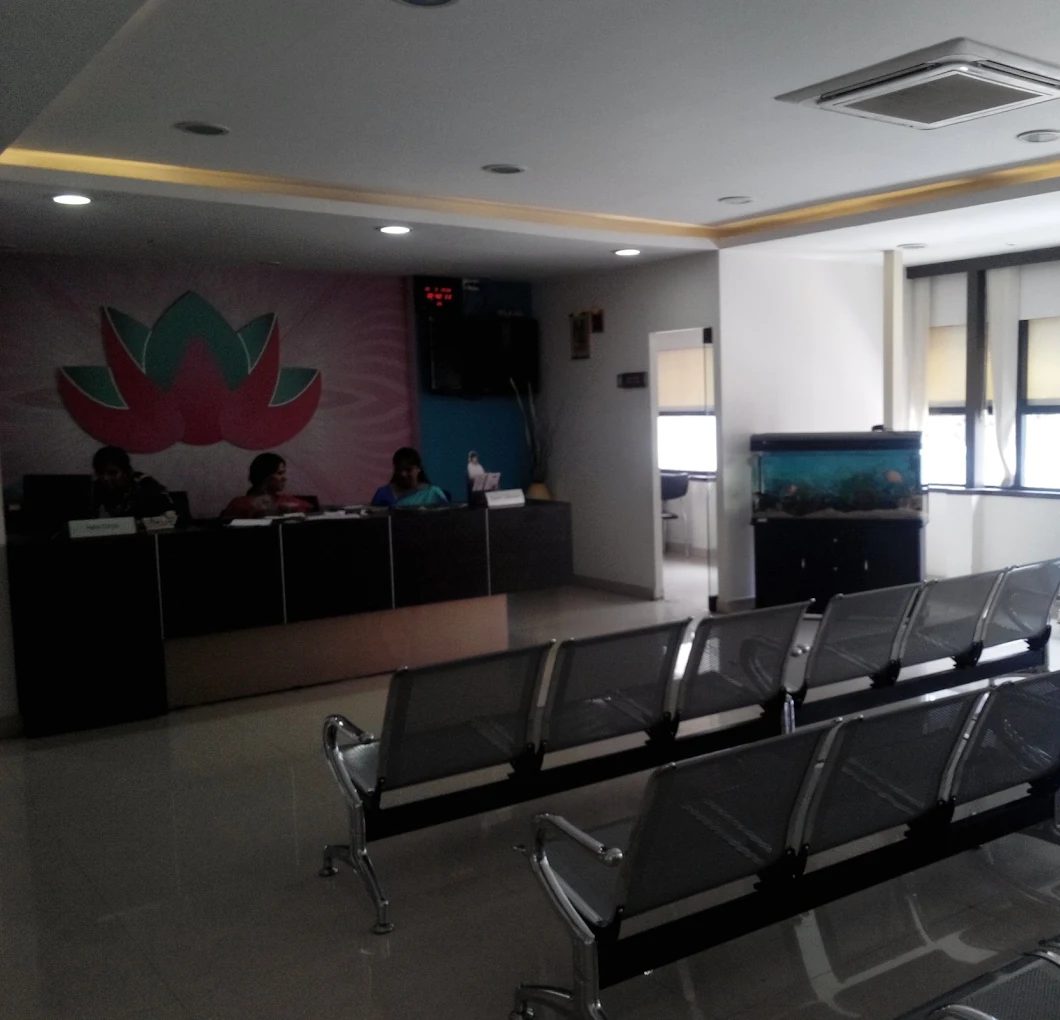 Reception
 Waiting area
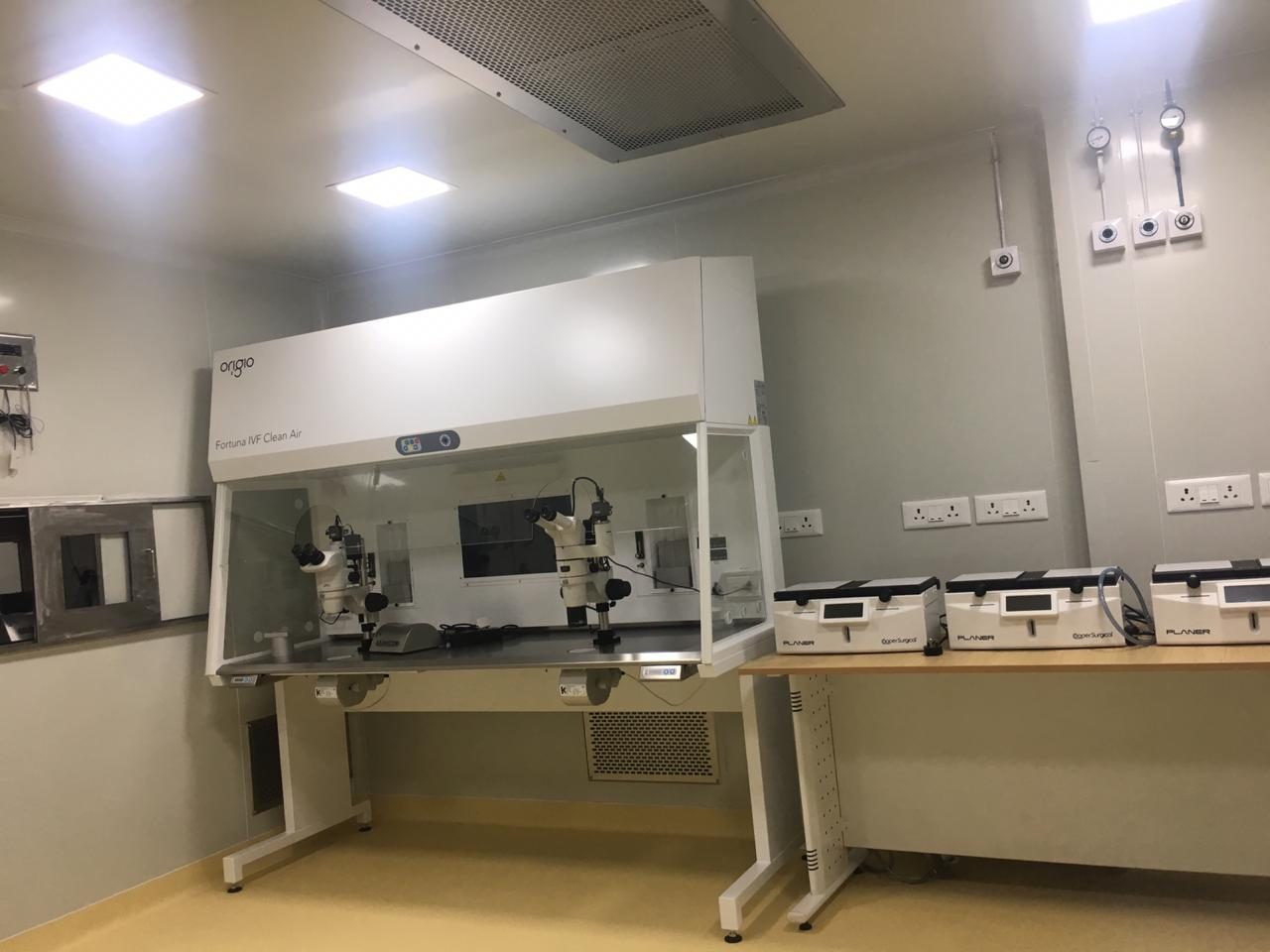 IVF lab
This page explains each test in general terms so you know what to expect. It is not medical advice: your doctor decides which tests you need and what your results mean. Reference ranges differ between laboratories. Updated 4 November 2026.