
Procalcitonin test
Quick answer: A procalcitonin test measures a protein that rises in the blood mainly during serious bacterial infections. Doctors use it in very unwell patients to judge whether a bacterial infection or sepsis is likely and to guide antibiotics.
- SampleBlood
- TakesAbout 5 minutes
- Before the testNo special preparation is usually needed.
How the test is done
- 1You are usually tested in hospital when you are unwell with a possible infection
- 2A vein is cleaned and blood is drawn
- 3The test may be repeated over the next few days
- 4Results are read alongside your other tests and symptoms
What your results can mean
Reading your report
Normal ranges differ between labs, so compare your result with the range printed on your report and discuss it with your doctor.
If the result is outside the usual range
A high level can point to a serious bacterial infection or sepsis, and it can also rise after major surgery, injury or burns. A low level makes a serious bacterial infection less likely, but it is not used alone to rule one out.
Who usually has this test
People who are very unwell with fever or suspected sepsis, and patients on antibiotics where doctors are deciding how long to continue them.
Risks and aftercare
Repeated tests may cause some bruising at needle sites.
Names and options
Also called: PCT test
Listed by the hospital as
- PROCALCITONIN, SERUM
Questions about this test
Is procalcitonin the same as CRP?
No. Both rise with infection and inflammation, but procalcitonin rises more specifically with bacterial infections and less with viral ones. Doctors often use both together.
Does a normal procalcitonin mean no infection?
Not always. Levels may be low early in an infection or with localised infections. Doctors look at your symptoms, examination and other tests before deciding.
How is procalcitonin used to guide antibiotics?
Falling levels can help doctors decide when it is safe to stop antibiotics in some infections. This helps avoid giving antibiotics for longer than needed.
Related tests
Tamara Hospital & IVF Centre, Rajajinagar
34/3, 10th Cross Road, opp. Vardhaka Sardar Patel School, 1st N Block, 2nd Stage, Rajajinagar, Bengaluru 560010
The hospital is open 24 hours. Call before you come to check the timing for your scan or sample collection.
Get directions ↗IVF Pulse fertility care at Tamara Hospital →
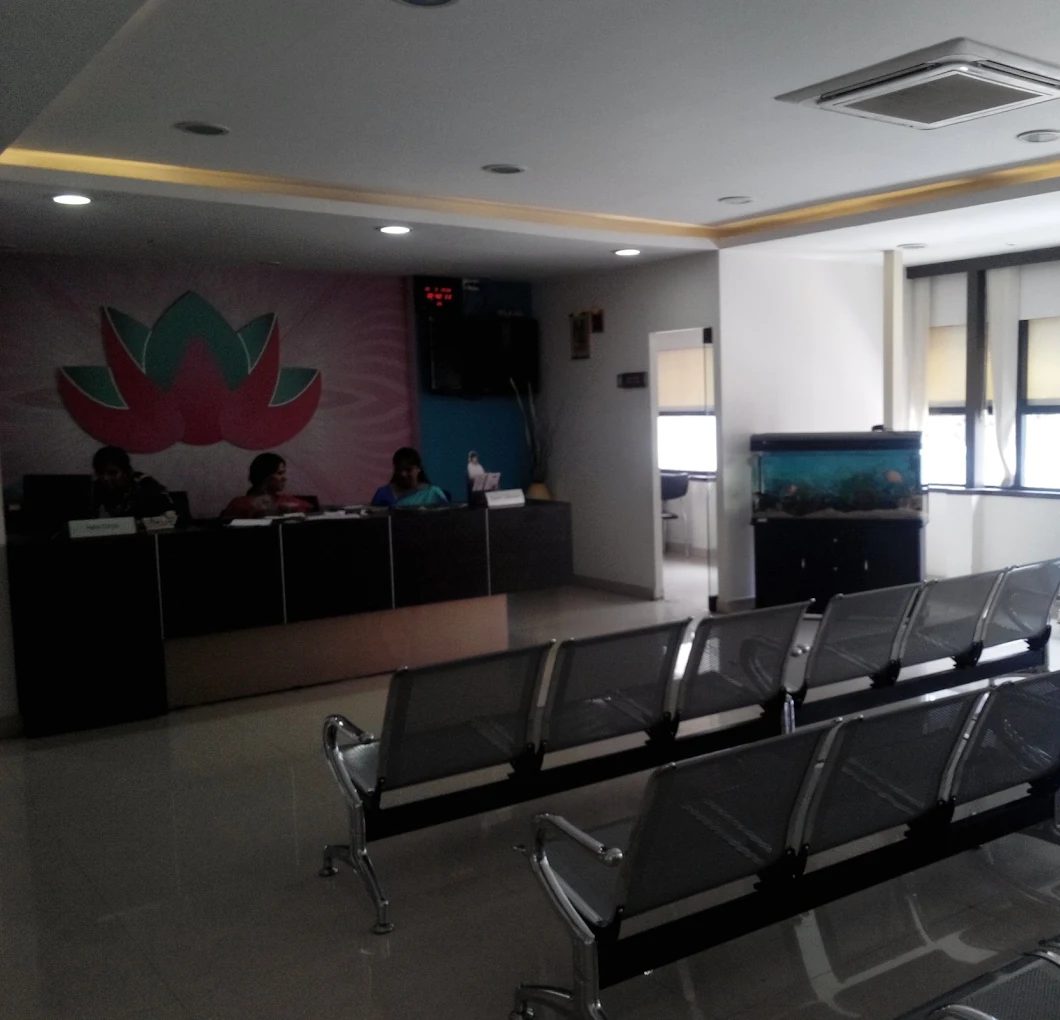 Reception
 Waiting area
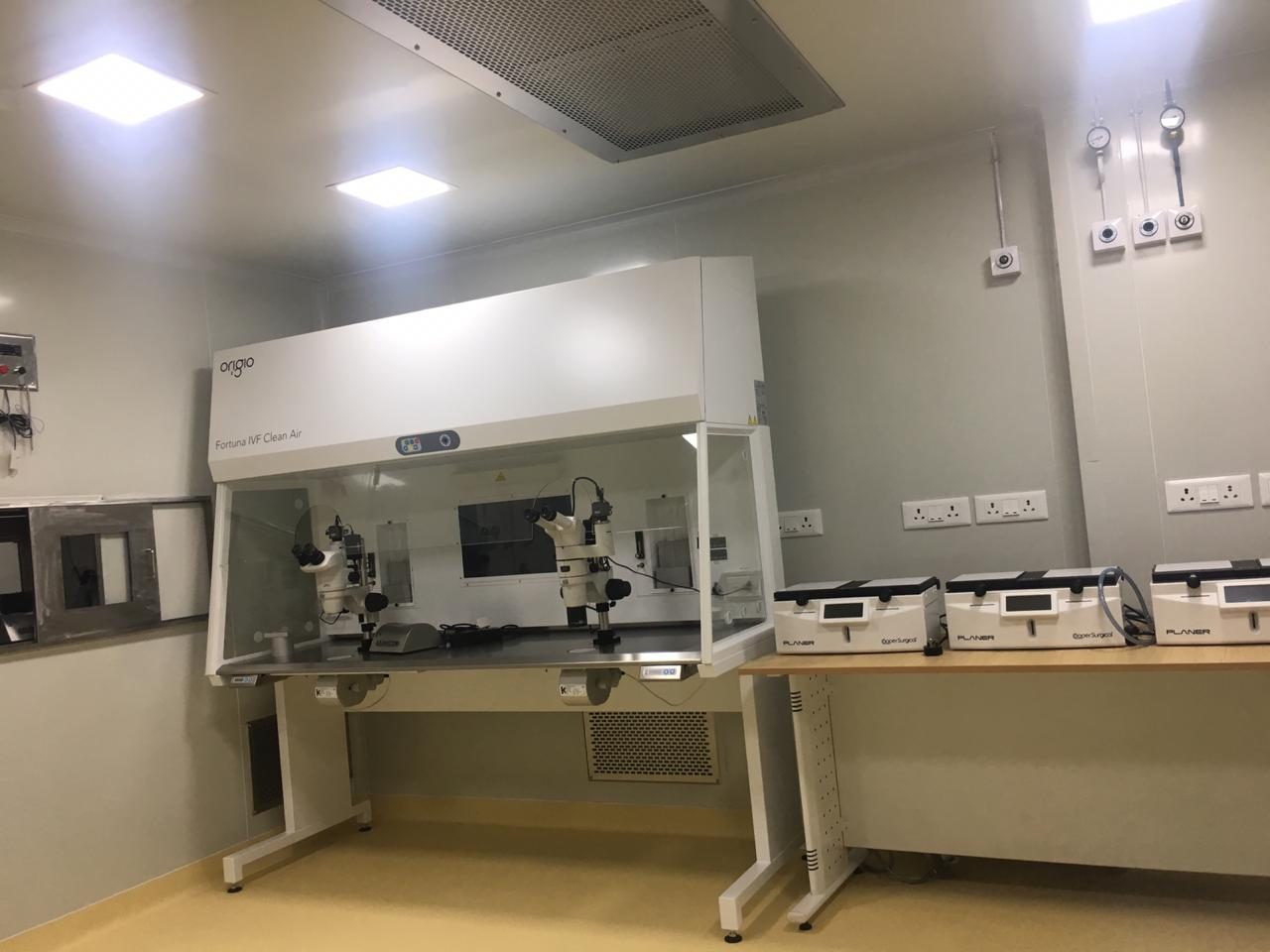 IVF lab
This page explains each test in general terms so you know what to expect. It is not medical advice: your doctor decides which tests you need and what your results mean. Reference ranges differ between laboratories. Updated 4 November 2026.