
Pap smear (cervical smear)
Quick answer: A Pap smear checks cells from the cervix (neck of the womb) for changes that could lead to cervical cancer if not treated. It is used for routine cervical cancer screening in women from around age 25, and when there is abnormal bleeding or discharge.
- SampleSwab
- TakesAbout 5 to 10 minutes, with the sampling itself taking under a minute
- Before the testBook it when you are not on your period, and avoid sex, douching and vaginal creams for 2 days before.
- In fertility careCervical screening is usually checked as part of a fertility work-up, so any changes can be treated before pregnancy.
How the test is done
- 1You undress from the waist down and lie on your back with knees bent and apart
- 2A speculum is gently placed into the vagina to see the cervix
- 3A small brush or spatula sweeps cells from the cervix
- 4The cells are placed in a liquid or on a slide and sent to the lab
What your results can mean
Reading your report
Results are reported as normal or with a description of cell changes; your doctor will explain whether any follow-up is needed.
If the result is outside the usual range
An abnormal result can show cell changes ranging from minor ones that often clear on their own to changes that need a closer look with colposcopy. It can also show signs of infection or inflammation, and an abnormal smear is not the same as cancer.
Who usually has this test
Women from around age 25 for routine screening, women with unusual bleeding or discharge, and women in a fertility work-up.
Risks and aftercare
Light spotting or mild cramping for a day can happen, and you can go back to normal activities straight away.
Names and options
Also called: Pap smear, Pap test, cervical smear, cervical cytology, cervical cancer screening
Listed by the hospital as
- CERVICAL SMEAR EXAMINATION
- PAP SMEAR EXAMINATION
Questions about this test
How often should I have a Pap smear?
Many guidelines advise a Pap smear every 3 years from about age 25, or HPV-based testing every 5 years from age 30. Your doctor may advise a different schedule based on your history.
Is a Pap smear safe during pregnancy?
Yes, a Pap smear can be done safely in pregnancy. Some light spotting afterwards can happen and usually settles on its own.
Does a Pap smear hurt?
It is usually quick and may feel uncomfortable but not painful. Relaxing and telling the doctor if you feel discomfort can help.
Related tests
Tamara Hospital & IVF Centre, Rajajinagar
34/3, 10th Cross Road, opp. Vardhaka Sardar Patel School, 1st N Block, 2nd Stage, Rajajinagar, Bengaluru 560010
The hospital is open 24 hours. Call before you come to check the timing for your scan or sample collection.
Get directions ↗IVF Pulse fertility care at Tamara Hospital →
 Reception
 Waiting area
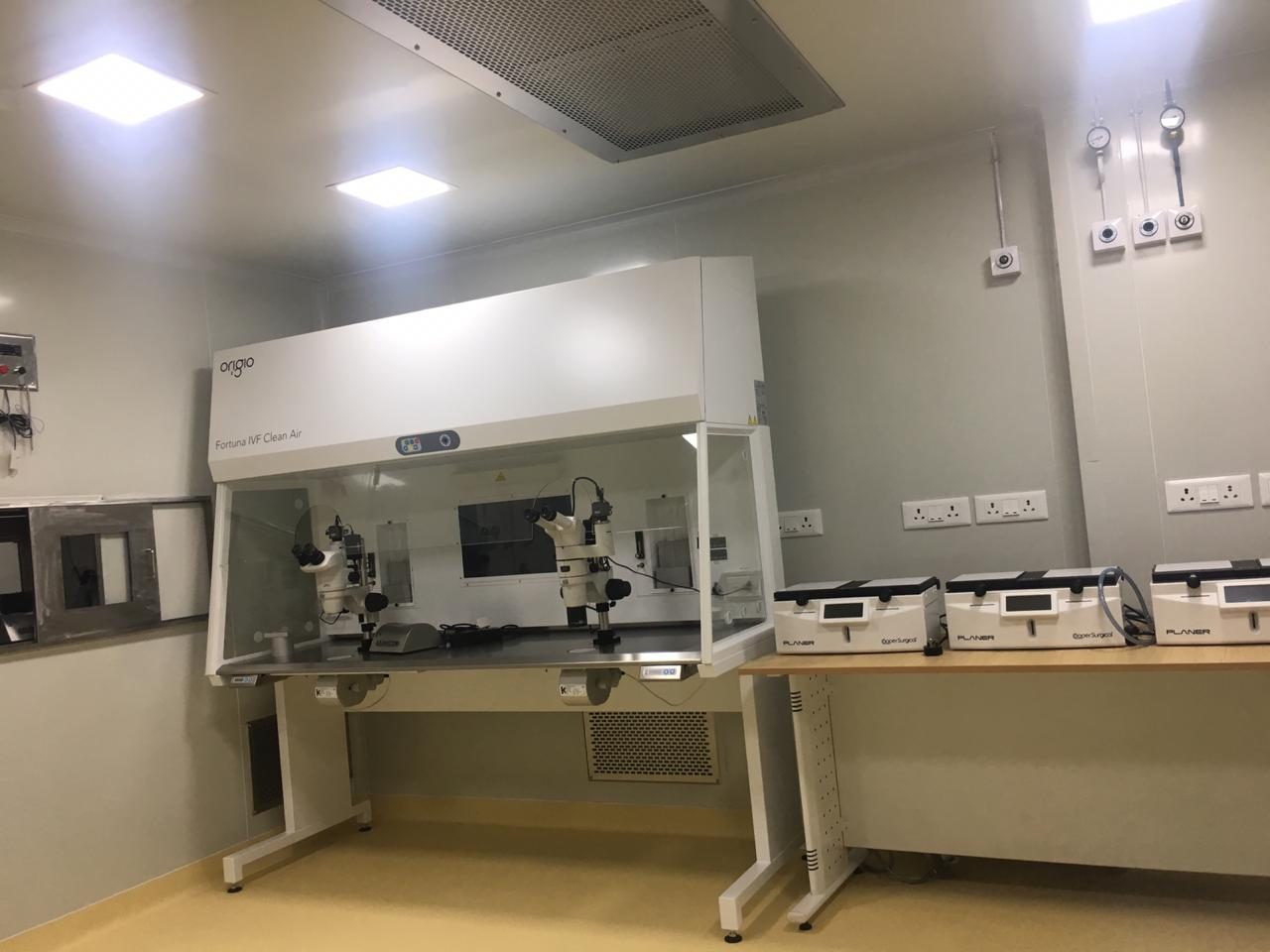 IVF lab
This page explains each test in general terms so you know what to expect. It is not medical advice: your doctor decides which tests you need and what your results mean. Reference ranges differ between laboratories. Updated 4 November 2026.