
Osmolality test
Quick answer: An osmolality test measures how concentrated your blood or urine is, based on the amount of dissolved particles such as salt and sugar. Doctors use it to look into low sodium, dehydration, excess thirst or urine, and possible poisoning.
- SampleBlood or urine
- TakesA few minutes
- Before the testNo special preparation is usually needed.
How the test is done
- 1For blood, a sample is drawn from a vein in your arm
- 2For urine, you pass a sample into a clean container
- 3Blood and urine may be collected around the same time to compare them
- 4The lab measures how concentrated each sample is
What your results can mean
Reading your report
Blood and urine results are often read together; discuss them with your doctor.
If the result is outside the usual range
A high blood osmolality can be seen with dehydration, high blood sugar, high sodium or some poisonings, and a low level with too much water in the body or low sodium. Urine osmolality shows how well the kidneys are concentrating urine.
Who usually has this test
People with low or high sodium, unexplained thirst or passing a lot of urine, dehydration, or suspected poisoning.
Risks and aftercare
There is nothing special to do afterwards, apart from caring for the needle site.
Names and options
Also called: serum osmolality, urine osmolality, osmolarity
Options
- Serum osmolality
- Urine osmolality
- Serum osmolarity
- Urine osmolarity
Listed by the hospital as
- OSMOLALITY, SERUM
- OSMOLALITY URINE
- OSMOLARITY, SERUM
- OSMOLARITY, URINE
Questions about this test
What is the difference between osmolality and osmolarity?
Both describe how concentrated a fluid is. Osmolality is measured per kilogram of water and is what most labs measure directly. Osmolarity is calculated per litre. In practice the numbers are close.
Why are blood and urine osmolality tested together?
Comparing the two helps doctors see whether the kidneys are handling water correctly. This is useful when working out the cause of low sodium or passing large amounts of urine.
Can drinking a lot of water affect the test?
Yes. Drinking large amounts just before the test can lower urine and sometimes blood osmolality. Follow any instructions about fluids that your doctor gives you.
Related tests
Tamara Hospital & IVF Centre, Rajajinagar
34/3, 10th Cross Road, opp. Vardhaka Sardar Patel School, 1st N Block, 2nd Stage, Rajajinagar, Bengaluru 560010
The hospital is open 24 hours. Call before you come to check the timing for your scan or sample collection.
Get directions ↗IVF Pulse fertility care at Tamara Hospital →
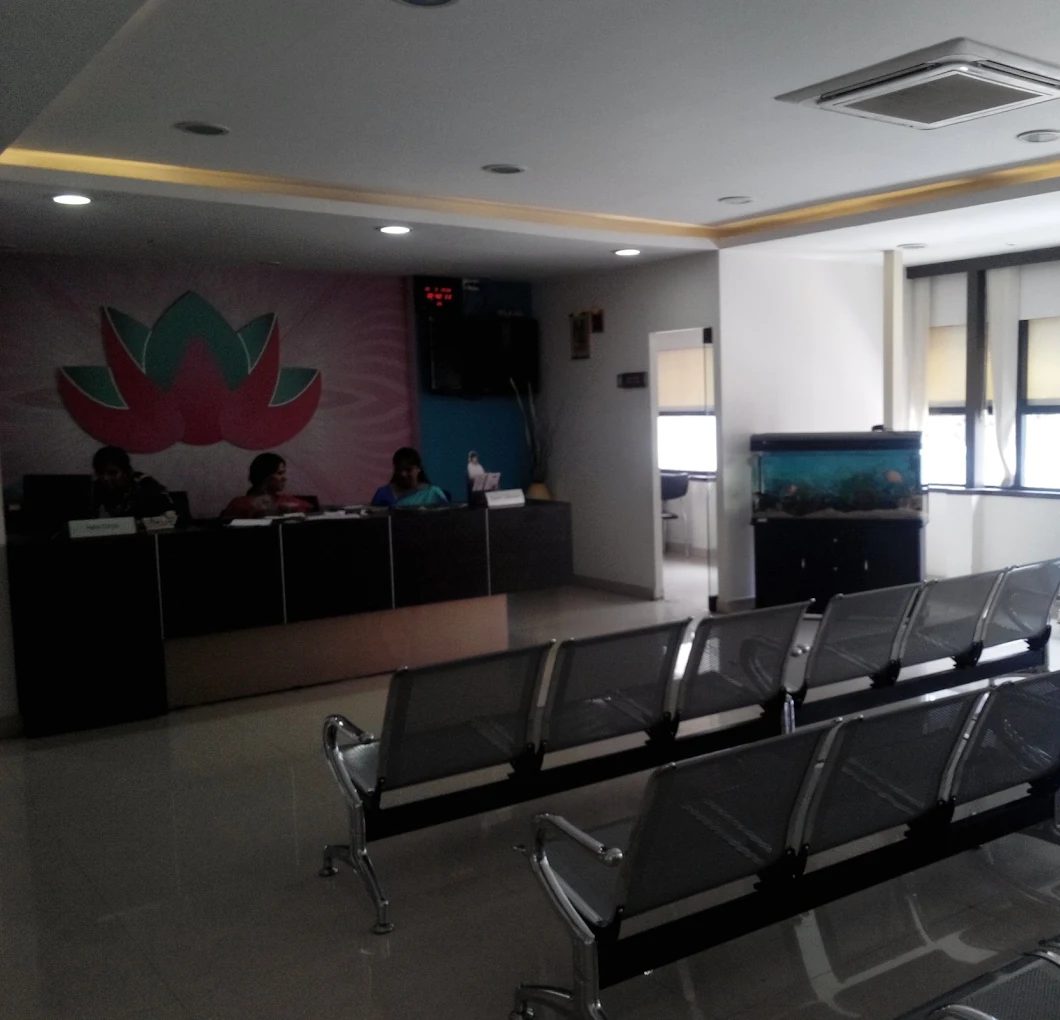 Reception
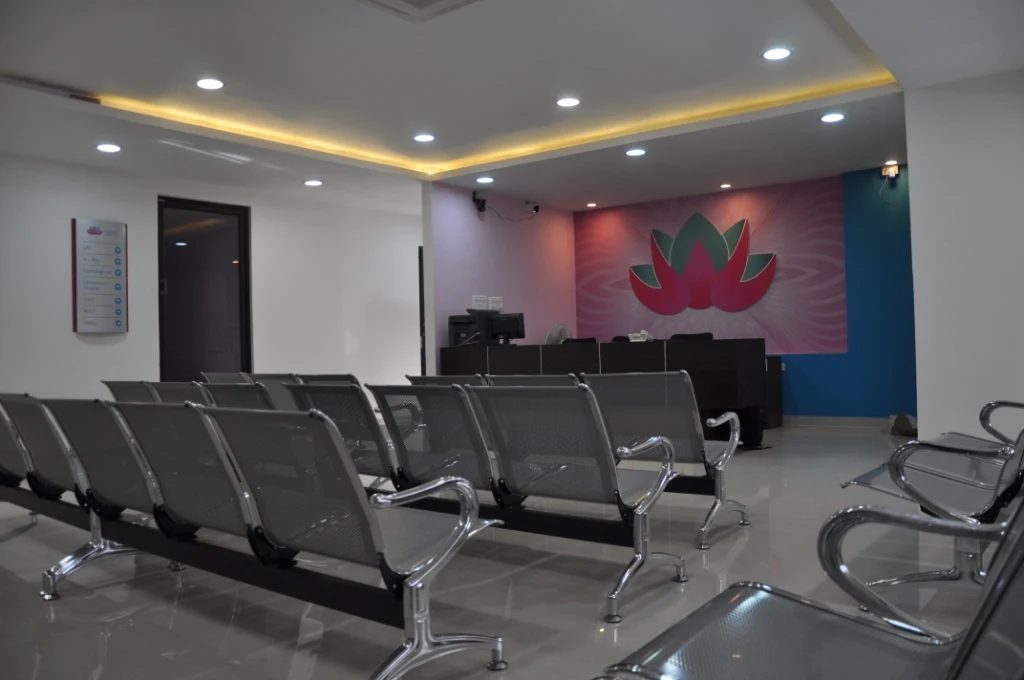 Waiting area
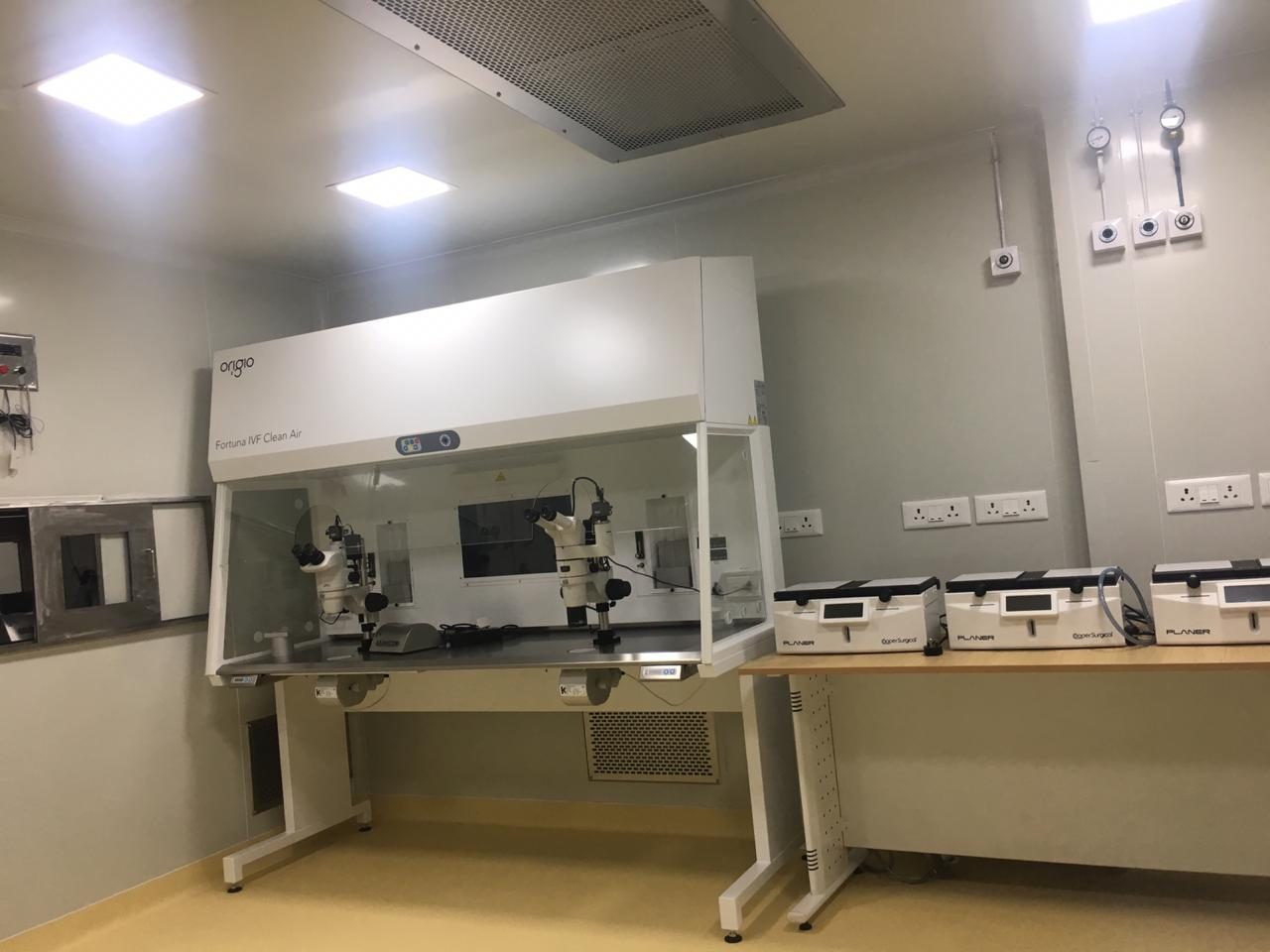 IVF lab
This page explains each test in general terms so you know what to expect. It is not medical advice: your doctor decides which tests you need and what your results mean. Reference ranges differ between laboratories. Updated 4 November 2026.