
Urea test
Quick answer: A urea test measures urea, a waste product made when the body breaks down protein, in your blood or urine. It is usually done with creatinine to check kidney function and hydration.
- SampleBlood or 24-hour urine
- TakesAbout 5 minutes for blood; 24 hours for urine
- Before the testNo special preparation is usually needed for blood; for the 24-hour urine test, you will be given a container and collection instructions.
How the test is done
- 1For blood, the skin over a vein is cleaned and a sample is drawn
- 2It is usually tested along with creatinine
- 3For 24-hour urine, you collect all urine over a full day
- 4The sample is sent to the lab
What your results can mean
Reading your report
Normal ranges differ between labs, so compare your result with the range printed on your report and discuss it with your doctor.
If the result is outside the usual range
A high blood urea can be seen with dehydration, reduced kidney function, a high-protein diet, bleeding in the gut or some medicines. A low level can be seen with a low-protein diet, liver disease or pregnancy.
Who usually has this test
People having routine kidney checks, those with dehydration, vomiting or diarrhoea, and people with kidney or liver disease.
Risks and aftercare
Drink fluids as usual after the test unless your doctor has told you to limit them.
Names and options
Also called: blood urea, BUN, urine urea
Options
- Serum
- 24-hour urine
Listed by the hospital as
- UREA, SERUM
- UREA 24 HRS URINE
Questions about this test
What is the difference between urea and BUN?
Both measure the same waste product. Urea is the whole molecule, while BUN measures only the nitrogen part. Indian labs report either, and the numbers differ by a fixed factor.
Can dehydration raise urea?
Yes. When you are dehydrated, urea often rises more than creatinine. Drinking enough fluid and repeating the test can show whether the kidneys are working normally.
Why is urine urea tested?
Urine urea is sometimes used to estimate protein intake or to assess kidney function in specific situations, such as in hospital nutrition planning.
Related tests
Tamara Hospital & IVF Centre, Rajajinagar
34/3, 10th Cross Road, opp. Vardhaka Sardar Patel School, 1st N Block, 2nd Stage, Rajajinagar, Bengaluru 560010
The hospital is open 24 hours. Call before you come to check the timing for your scan or sample collection.
Get directions ↗IVF Pulse fertility care at Tamara Hospital →
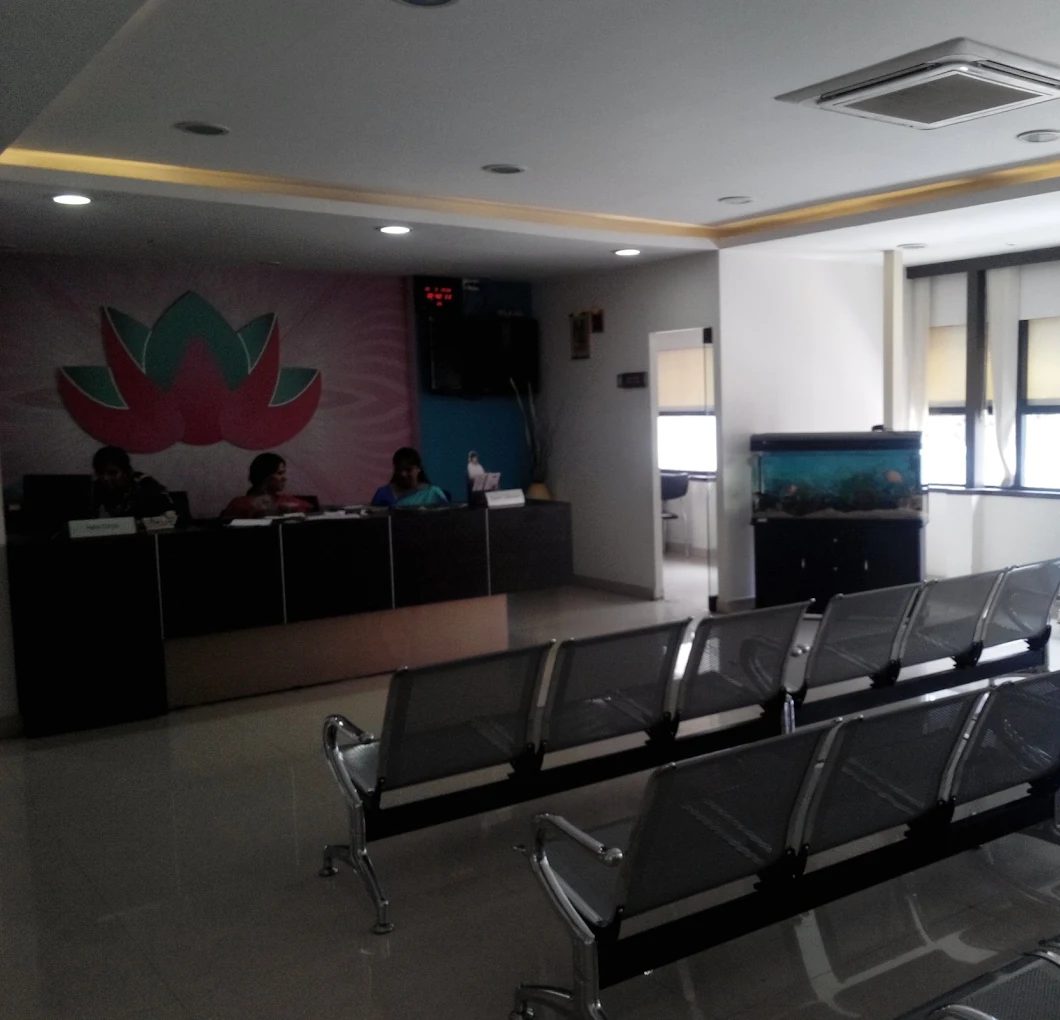 Reception
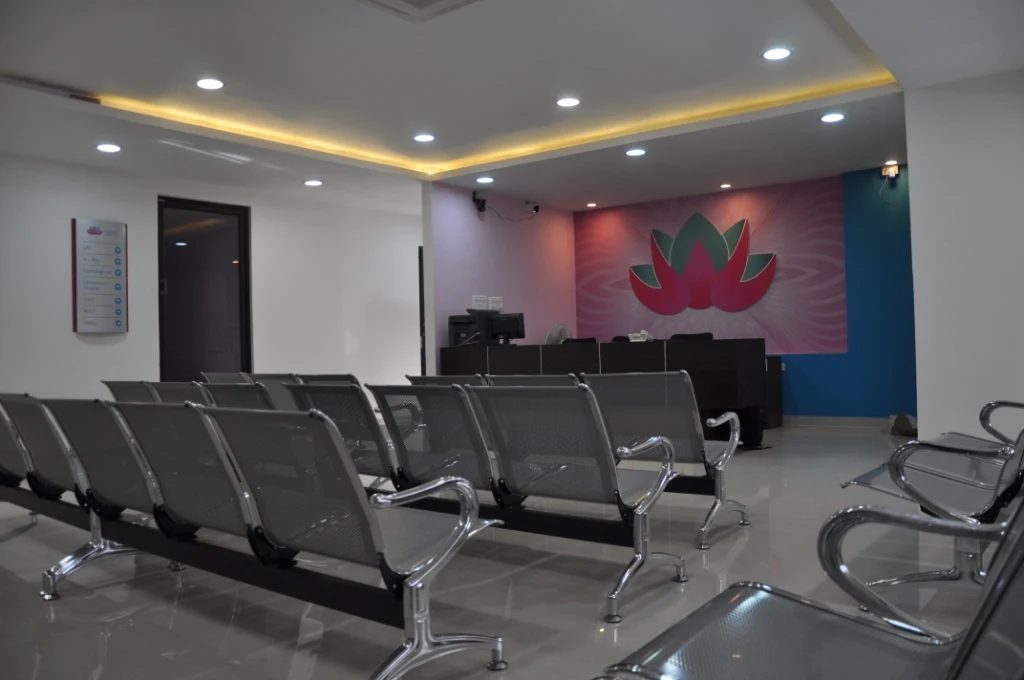 Waiting area
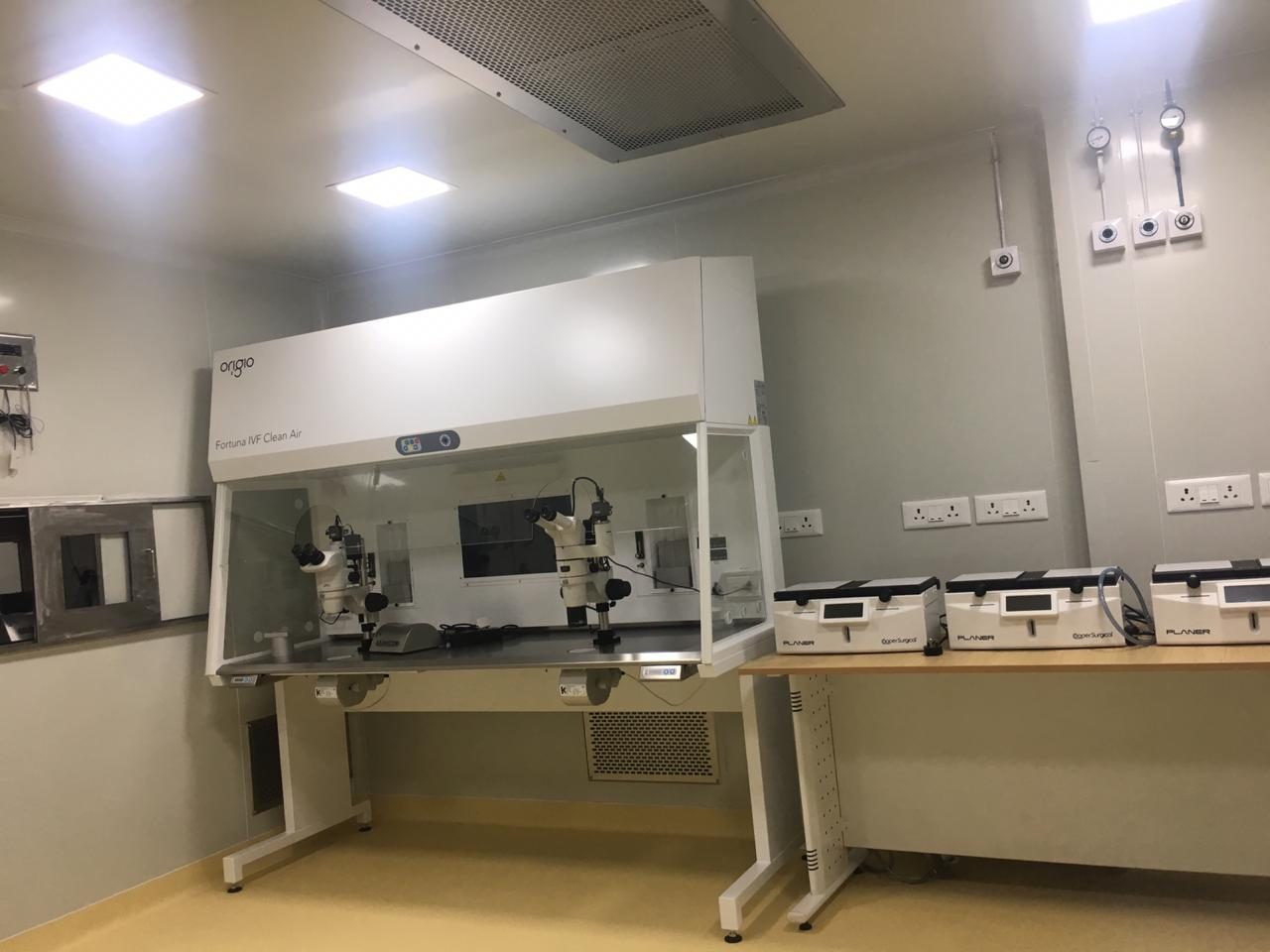 IVF lab
This page explains each test in general terms so you know what to expect. It is not medical advice: your doctor decides which tests you need and what your results mean. Reference ranges differ between laboratories. Updated 4 November 2026.