
Oligoclonal bands (CSF) test
Quick answer: This test looks for oligoclonal bands, a pattern of antibodies made inside the brain and spinal cord, in spinal fluid. It is mainly used to support a diagnosis of multiple sclerosis and some other nerve conditions.
- SampleCSF (spinal fluid)
- TakesAbout 30 to 45 minutes, including rest afterwards
- Before the testThe CSF sample is collected by a doctor through a lumbar puncture, often with a blood sample taken at the same time.
How the test is done
- 1You lie curled on your side or sit leaning forward
- 2The lower back is cleaned and numbed with local anaesthetic
- 3A thin needle is passed between the bones to collect spinal fluid
- 4A blood sample is also taken so the two can be compared
What your results can mean
Reading your report
The result is read together with your scan and symptoms, so discuss it with your doctor.
If the result is outside the usual range
Bands found in the spinal fluid but not in the blood can support a diagnosis of multiple sclerosis, and can also be seen with some infections or inflammation of the nervous system. A negative result does not rule out multiple sclerosis.
Who usually has this test
People being assessed for multiple sclerosis or other inflammatory conditions of the brain and spinal cord.
Risks and aftercare
You may need to lie down for a while, and some people get a headache, back soreness or mild discomfort for a day or two.
Names and options
Also called: OCB, CSF oligoclonal bands
Listed by the hospital as
- OLIGOCLONAL BANDS DETECTION, CSF
Questions about this test
What do oligoclonal bands mean for multiple sclerosis?
Most people with multiple sclerosis have oligoclonal bands in their spinal fluid. Finding them supports the diagnosis along with symptoms and MRI findings, but they can also appear in other conditions.
Why is a blood sample taken with the spinal fluid?
Comparing the two samples shows whether the antibodies are made inside the brain and spinal cord or come from the blood. Bands found only in the spinal fluid are more meaningful.
Is a lumbar puncture safe?
A lumbar puncture is a common procedure. Headache and back soreness are the most common side effects, and serious problems are rare. Your doctor will explain the risks before you agree.
Related tests
Tamara Hospital & IVF Centre, Rajajinagar
34/3, 10th Cross Road, opp. Vardhaka Sardar Patel School, 1st N Block, 2nd Stage, Rajajinagar, Bengaluru 560010
The hospital is open 24 hours. Call before you come to check the timing for your scan or sample collection.
Get directions ↗IVF Pulse fertility care at Tamara Hospital →
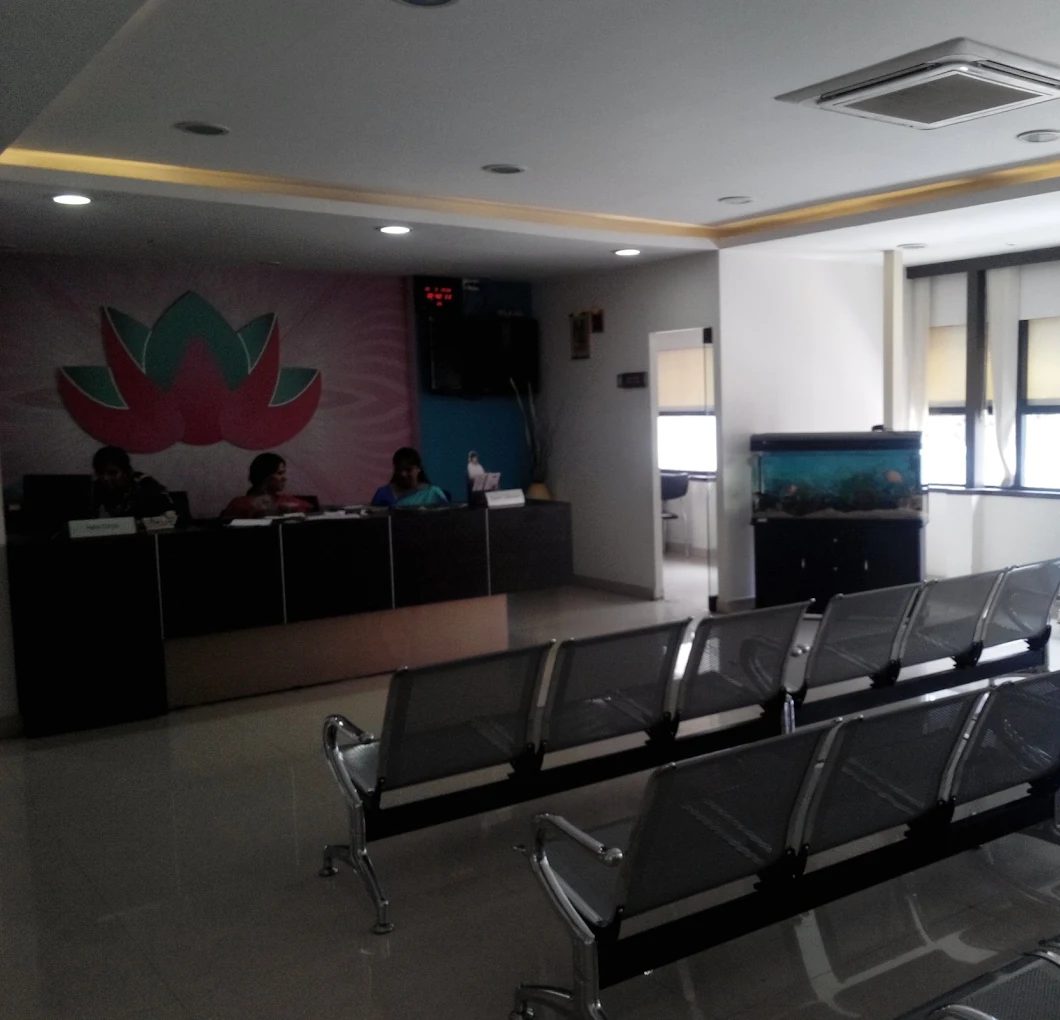 Reception
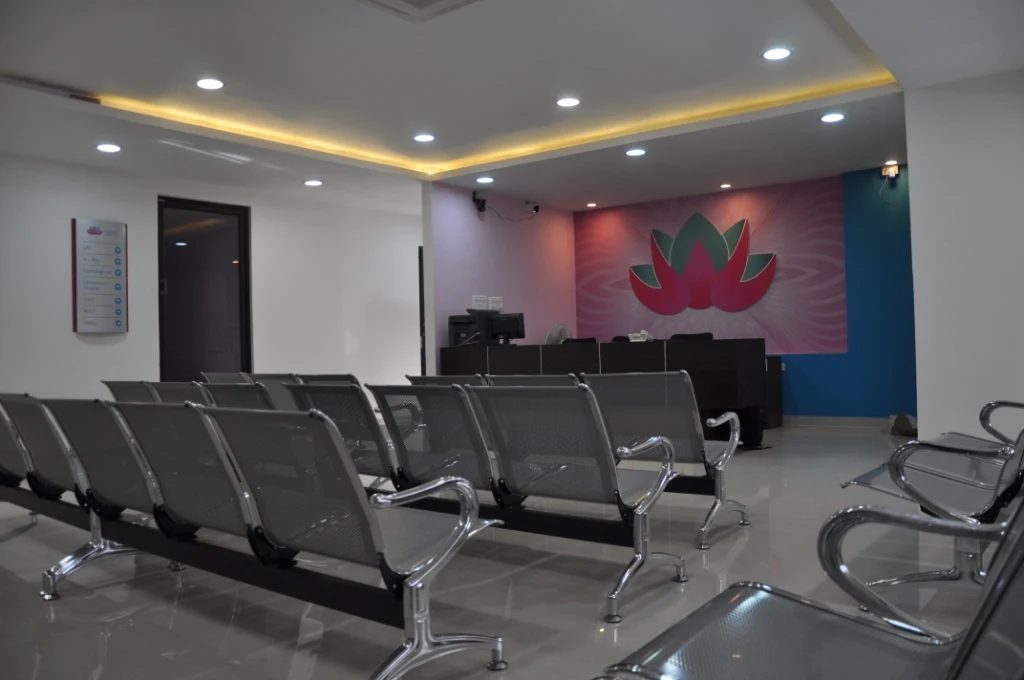 Waiting area
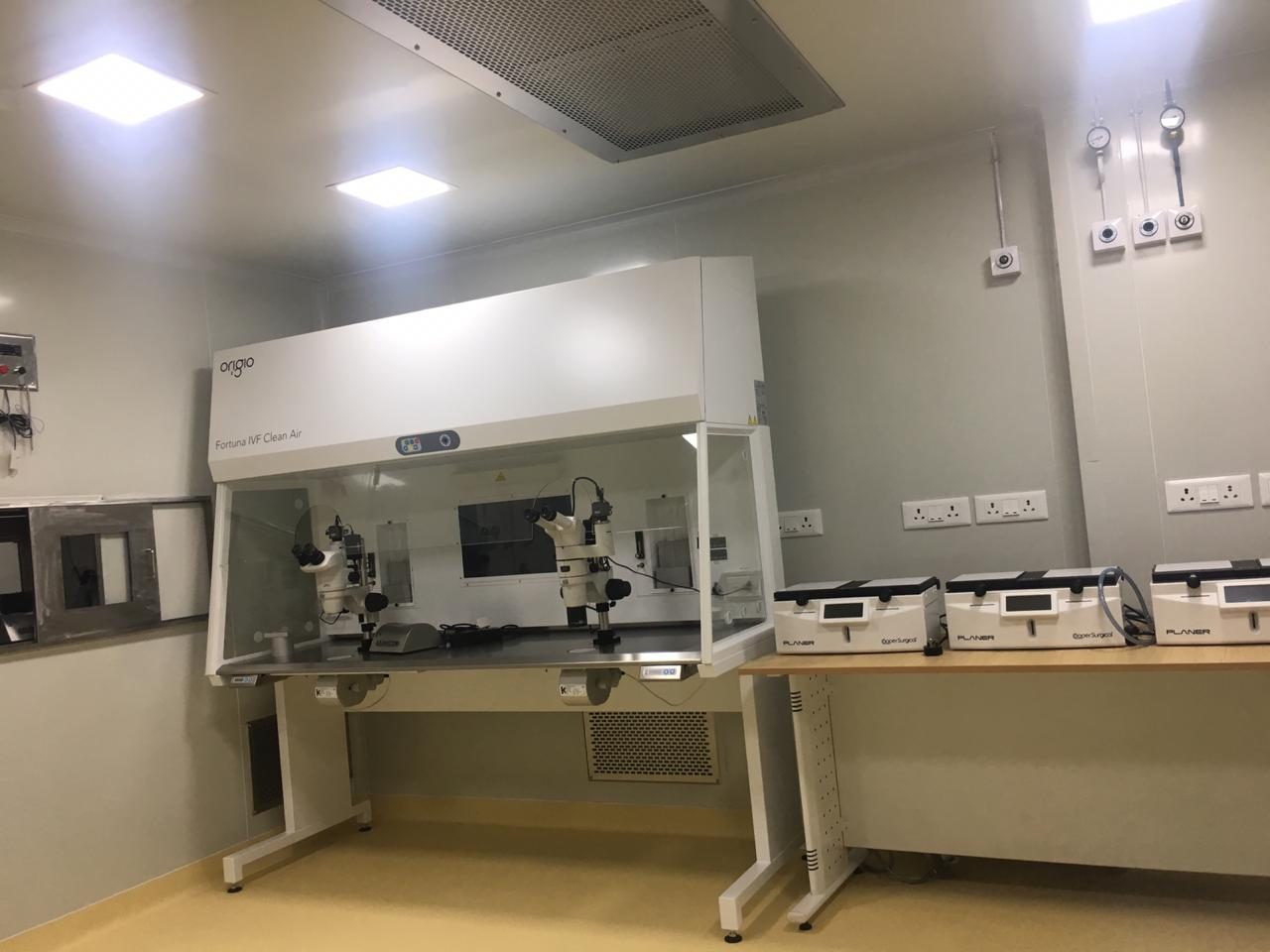 IVF lab
This page explains each test in general terms so you know what to expect. It is not medical advice: your doctor decides which tests you need and what your results mean. Reference ranges differ between laboratories. Updated 4 November 2026.