
Methaemoglobin test
Quick answer: This test measures methaemoglobin, a form of haemoglobin that cannot carry oxygen properly. It is ordered when someone looks bluish or has low oxygen without a clear reason, often after exposure to certain medicines or chemicals, or in rare inherited conditions.
- SampleBlood
- TakesAbout 5 minutes
- Before the testNo special preparation is usually needed.
How the test is done
- 1A sample is usually taken from a vein, or sometimes from an artery at the wrist
- 2The skin is cleaned and a needle collects the blood
- 3The sample is tested quickly, often on a blood gas machine
- 4Pressure is applied to the spot for a few minutes
What your results can mean
Reading your report
Normal ranges differ between labs, so compare your result with the range printed on your report and discuss it with your doctor.
If the result is outside the usual range
A high level can be seen after exposure to certain medicines such as some local anaesthetics or dapsone, some chemicals and nitrates, or with rare inherited conditions. A very low or normal level is expected.
Who usually has this test
People with bluish skin or low oxygen that does not improve with oxygen, especially after a new medicine or chemical exposure, and babies with unexplained blue colour.
Risks and aftercare
If blood is taken from an artery, firm pressure is needed for a few minutes and the area may be sore.
Names and options
Also called: methemoglobin, MetHb
Listed by the hospital as
- METH-HAEMOGLOBIN, EDTA BLOOD
Questions about this test
What are the symptoms of high methaemoglobin?
Mild rises may cause bluish lips and skin with few other symptoms. Higher levels can cause headache, breathlessness, tiredness and confusion, and very high levels are an emergency.
Why does a pulse oximeter not show methaemoglobin correctly?
Standard finger oxygen monitors cannot tell methaemoglobin from normal haemoglobin, so readings can be misleading. A blood test is needed to measure it.
Can medicines raise methaemoglobin?
Yes. Some medicines, such as certain local anaesthetic sprays, dapsone and nitrates, can raise it in some people. Tell your doctor about all medicines you have taken recently.
Related tests
Tamara Hospital & IVF Centre, Rajajinagar
34/3, 10th Cross Road, opp. Vardhaka Sardar Patel School, 1st N Block, 2nd Stage, Rajajinagar, Bengaluru 560010
The hospital is open 24 hours. Call before you come to check the timing for your scan or sample collection.
Get directions ↗IVF Pulse fertility care at Tamara Hospital →
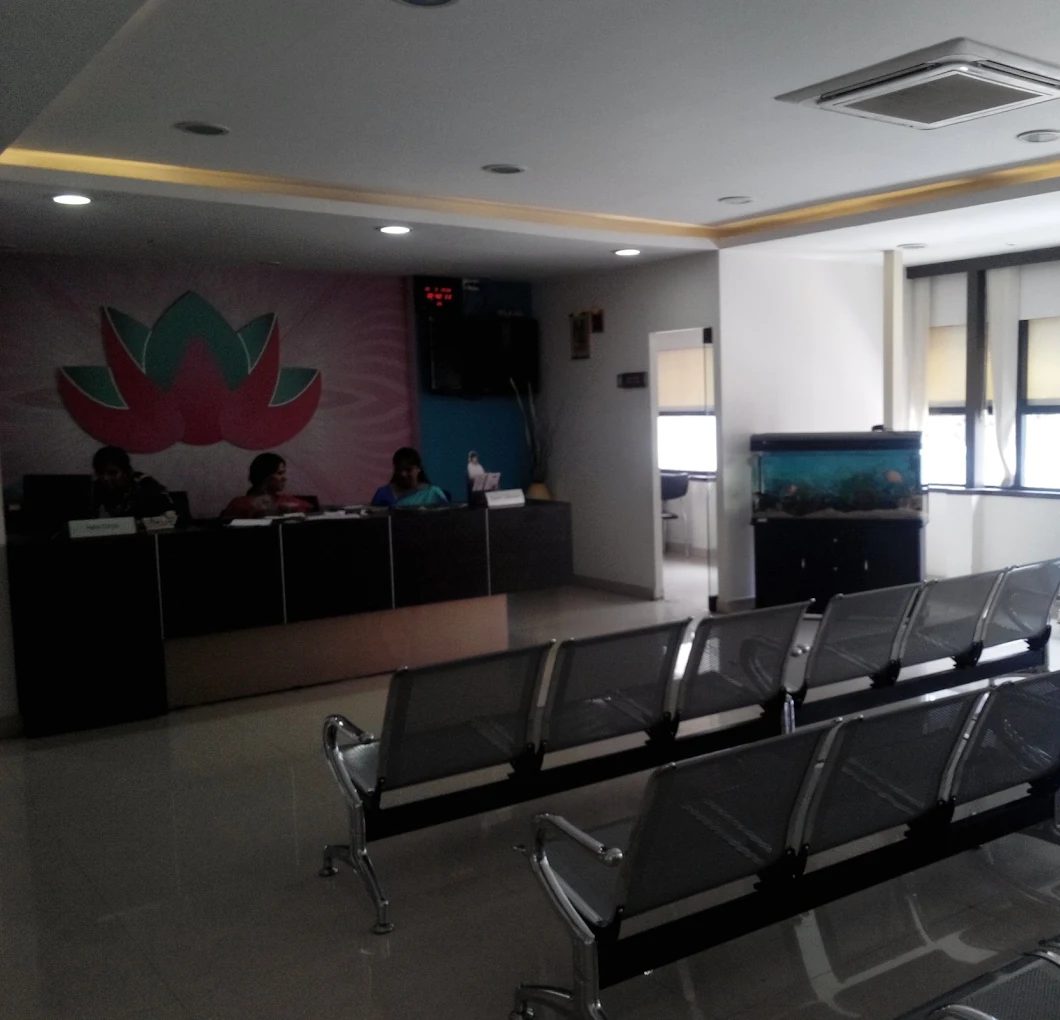 Reception
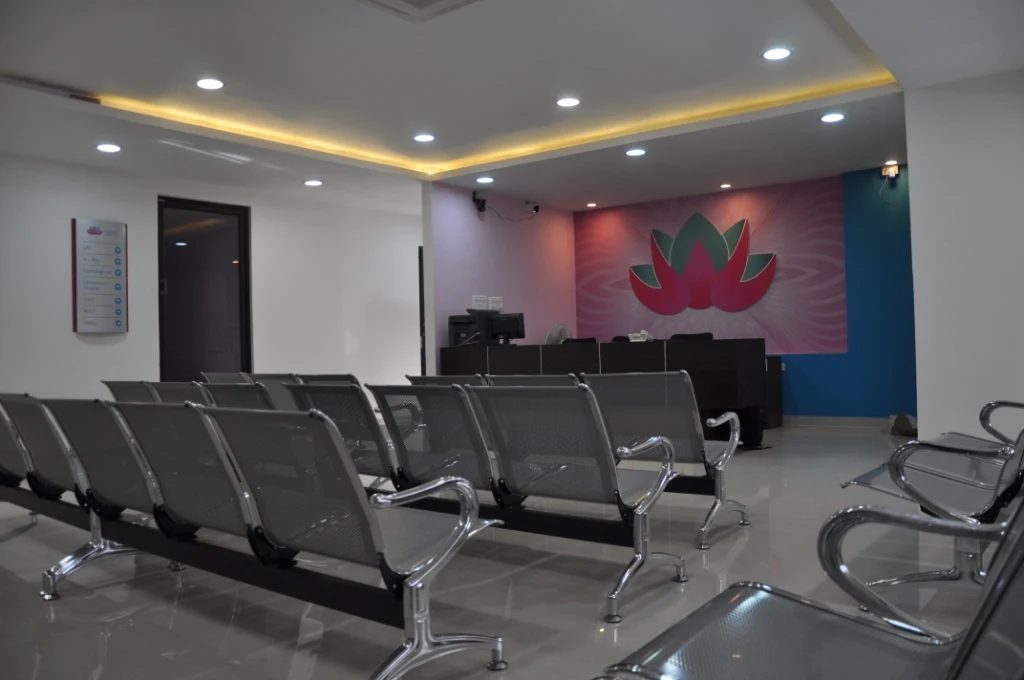 Waiting area
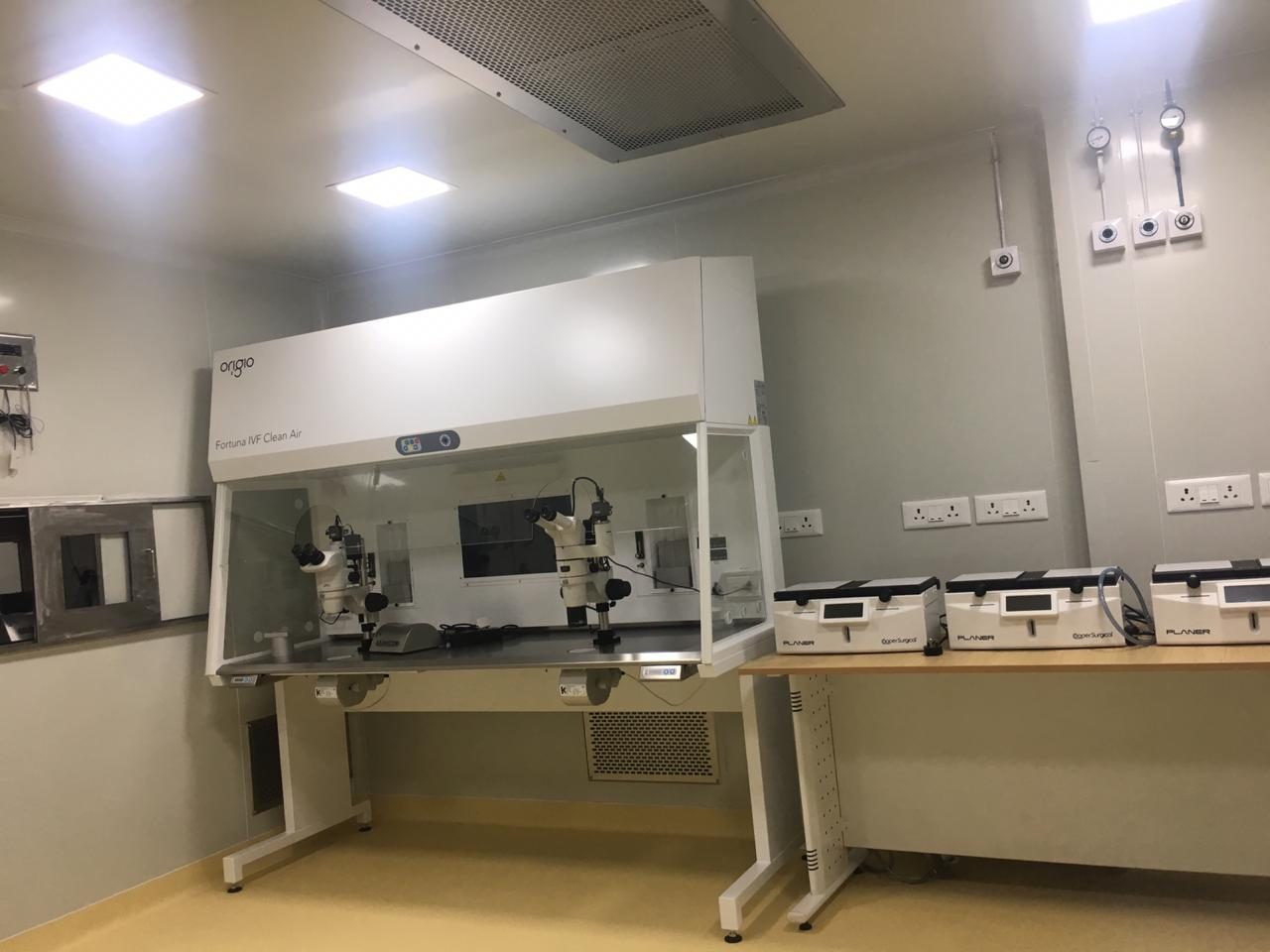 IVF lab
This page explains each test in general terms so you know what to expect. It is not medical advice: your doctor decides which tests you need and what your results mean. Reference ranges differ between laboratories. Updated 4 November 2026.