
Mercury test
Quick answer: A mercury test measures mercury, a toxic metal, in your blood, urine or hair. It is ordered when mercury exposure is suspected, for example through work, some fish, broken equipment or some traditional remedies. Blood and urine are the main tests; hair and saliva results are harder to interpret.
- SampleBlood, urine, hair or saliva
- TakesAbout 5 minutes for blood or hair; 24 hours for urine
- Before the testFor the 24-hour urine test, you will be given a container and collection instructions; for other samples, follow the lab's instructions.
How the test is done
- 1You are asked about possible mercury sources such as fish, work or remedies
- 2For blood, a needle draws a sample into a metal-free tube
- 3For urine, you collect all urine over 24 hours in a special container
- 4For hair, a small bunch is cut close to the scalp
What your results can mean
Reading your report
Results are read together with your exposure history and symptoms, so discuss them with your doctor.
If the result is outside the usual range
A high blood level can point to recent exposure, often from eating a lot of certain fish, while a high urine level can point to longer exposure to mercury vapour or some remedies and creams. Results are read with your exposure history and symptoms.
Who usually has this test
People with possible exposure at work, from broken equipment, from skin-lightening creams or traditional remedies, and those with unexplained nerve or kidney symptoms.
Risks and aftercare
A blood test may leave a small bruise; urine, hair and saliva samples have no risks.
Names and options
Also called: mercury level, heavy metal test mercury
Options
- Blood
- 24-hour urine
- Hair
- Saliva
Listed by the hospital as
- MERCURY, BLOOD
- MERCURY, 24 HRS URINE
- MERCURY, HAIR
- MERCURY, SALIVA
Questions about this test
Which mercury test is most useful?
Blood mercury is used for recent exposure, such as from fish, and 24-hour urine mercury for longer exposure to mercury vapour or some products. Hair and saliva tests are harder to interpret and are not usually used to diagnose poisoning.
Can eating fish raise mercury levels?
Yes. Large predatory fish such as shark, swordfish and king mackerel can contain more mercury. Pregnant women and those trying to conceive are often advised to choose lower-mercury fish.
Can skin-lightening creams contain mercury?
Some unregulated skin-lightening creams have been found to contain mercury. If you have used such products, tell your doctor, as this can change which test they suggest.
Related tests
Tamara Hospital & IVF Centre, Rajajinagar
34/3, 10th Cross Road, opp. Vardhaka Sardar Patel School, 1st N Block, 2nd Stage, Rajajinagar, Bengaluru 560010
The hospital is open 24 hours. Call before you come to check the timing for your scan or sample collection.
Get directions ↗IVF Pulse fertility care at Tamara Hospital →
 Reception
 Waiting area
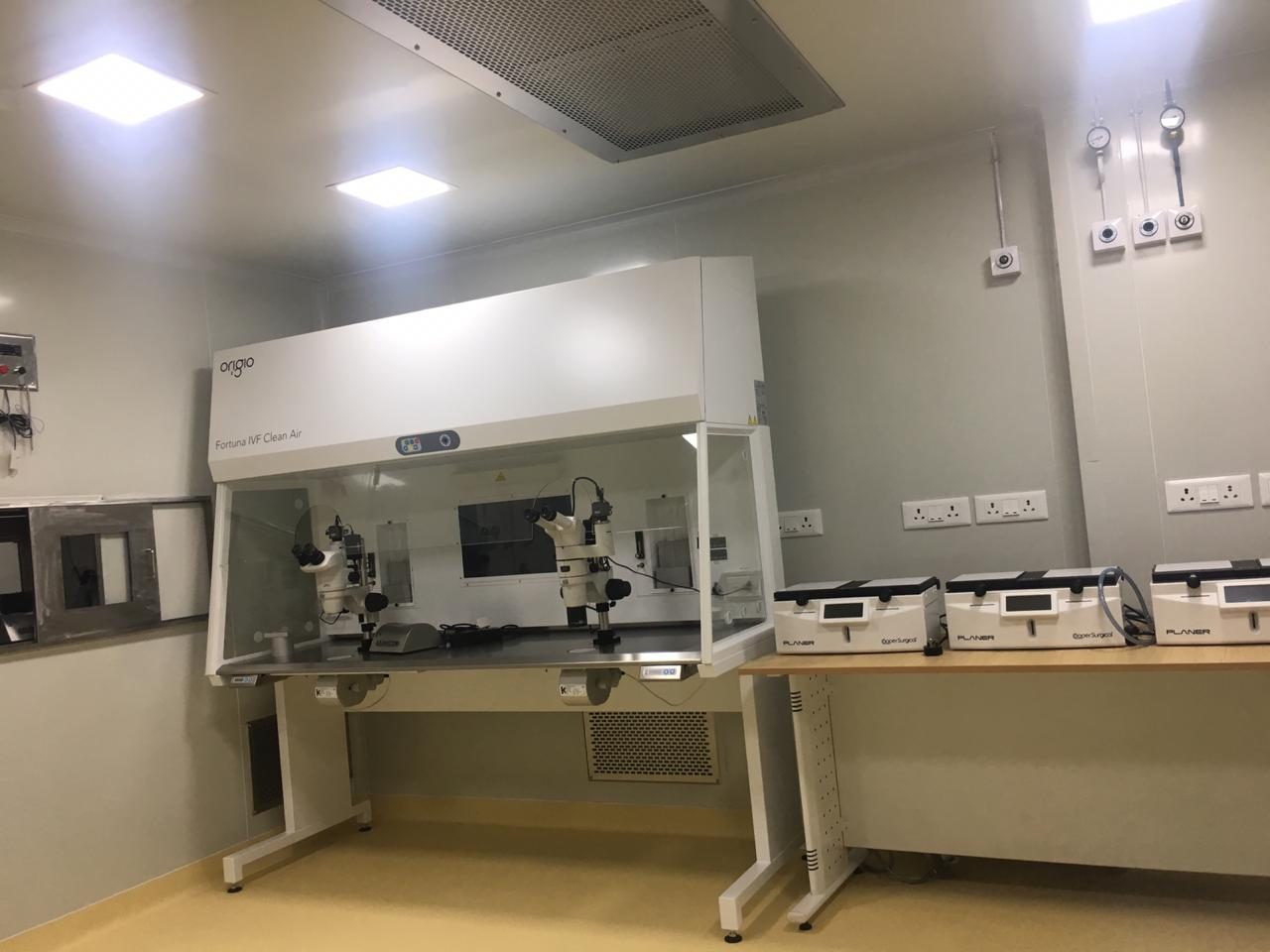 IVF lab
This page explains each test in general terms so you know what to expect. It is not medical advice: your doctor decides which tests you need and what your results mean. Reference ranges differ between laboratories. Updated 4 November 2026.