
Lipoprotein(a) test
Quick answer: A lipoprotein(a) test measures a type of cholesterol-carrying particle whose level is mostly set by your genes. Doctors may check it when there is early heart disease in you or your family, or very high cholesterol, to better judge heart risk.
- SampleBlood
- TakesAbout 5 minutes
- Before the testNo special preparation is usually needed.
How the test is done
- 1You are seated and your sleeve is rolled up
- 2The skin is wiped clean over a vein
- 3A needle draws blood into a tube
- 4A plaster is placed on the spot
What your results can mean
Reading your report
Normal ranges differ between labs, so compare your result with the range printed on your report and discuss it with your doctor.
If the result is outside the usual range
A high Lp(a) can mean a higher inherited risk of heart disease and stroke, even when other cholesterol levels are normal. A low level is not usually a concern.
Who usually has this test
People with early heart disease or stroke in themselves or close family, those with very high cholesterol, and people whose heart risk is hard to judge from a standard lipid profile.
Risks and aftercare
You can go about your day as usual, as the only possible effect is a small bruise.
Names and options
Also called: Lp(a), lipoprotein little a
Listed by the hospital as
- LIPOPROTEIN A, SERUM
Questions about this test
Do I need to repeat a lipoprotein(a) test?
Usually not. Because Lp(a) is mostly set by your genes and changes little over life, many guidelines suggest checking it at least once in adulthood. Your doctor may repeat it only in specific situations.
Can diet or exercise lower lipoprotein(a)?
Lifestyle changes have little effect on Lp(a). If your level is high, doctors usually focus on lowering your other risk factors, such as LDL cholesterol, blood pressure and smoking.
Should my family be tested if my Lp(a) is high?
Because high Lp(a) runs in families, doctors may suggest that close relatives get tested too. Ask your doctor whether this applies to you.
Related tests
Tamara Hospital & IVF Centre, Rajajinagar
34/3, 10th Cross Road, opp. Vardhaka Sardar Patel School, 1st N Block, 2nd Stage, Rajajinagar, Bengaluru 560010
The hospital is open 24 hours. Call before you come to check the timing for your scan or sample collection.
Get directions ↗IVF Pulse fertility care at Tamara Hospital →
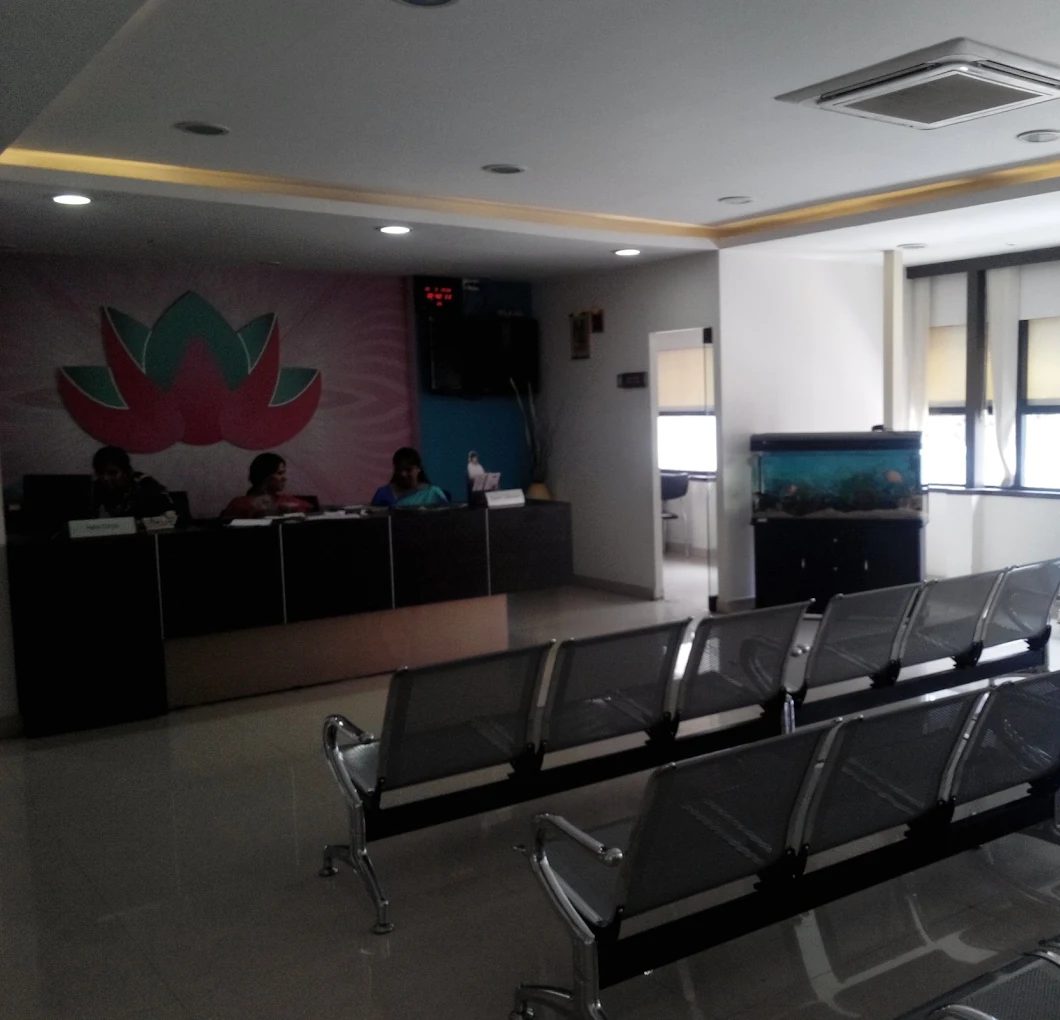 Reception
 Waiting area
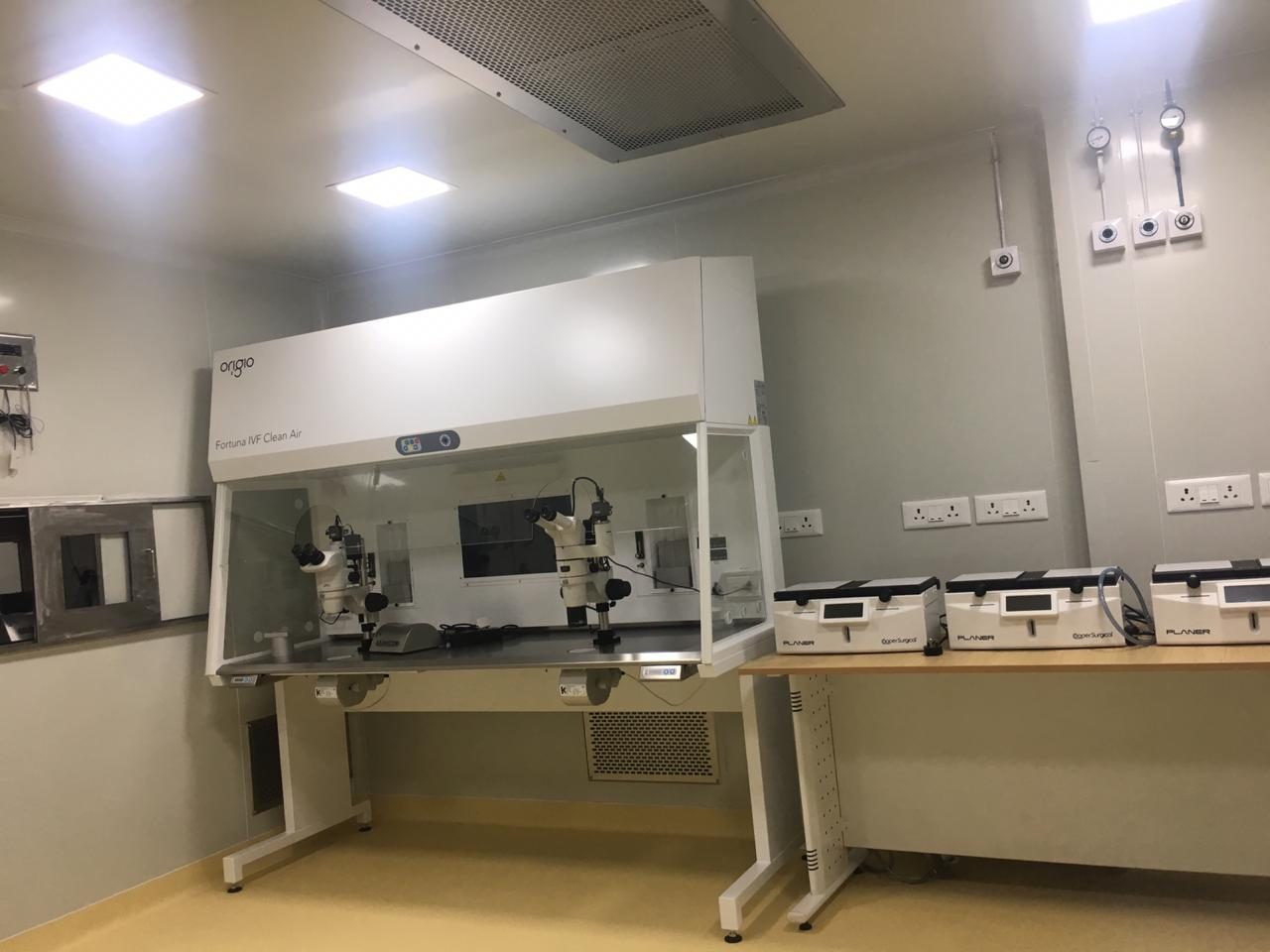 IVF lab
This page explains each test in general terms so you know what to expect. It is not medical advice: your doctor decides which tests you need and what your results mean. Reference ranges differ between laboratories. Updated 4 November 2026.