
LDL cholesterol (direct) test
Quick answer: This test directly measures LDL cholesterol, often called bad cholesterol, in your blood. It is used when the usual calculated LDL may be unreliable, such as when triglycerides are high, or to monitor cholesterol treatment.
- SampleBlood
- TakesAbout 5 minutes
- Before the testNo special preparation is usually needed.
How the test is done
- 1You confirm your details and any fasting instructions
- 2A vein in your arm is cleaned and a needle is inserted
- 3Blood fills a small tube
- 4The needle is removed and a plaster is applied
What your results can mean
Reading your report
Normal ranges differ between labs, so compare your result with the range printed on your report and discuss it with your doctor.
If the result is outside the usual range
A high LDL can be seen with diet, low activity, diabetes, an underactive thyroid, kidney problems or inherited high cholesterol, and it raises the risk of heart disease over time. A very low LDL is uncommon and may be seen with some medicines or illnesses.
Who usually has this test
People whose triglycerides are high, people on cholesterol-lowering treatment, and those with a high heart risk where a direct LDL reading is useful.
Risks and aftercare
You can go back to normal activities right away.
Names and options
Also called: direct LDL, bad cholesterol
Listed by the hospital as
- LDL CHOLESTEROL, (DIRECT) SERUM
Questions about this test
What is the difference between direct LDL and calculated LDL?
In a routine lipid profile, LDL is usually calculated from total cholesterol, HDL and triglycerides. A direct LDL test measures it in the sample instead. The direct test is useful when triglycerides are high and the calculation becomes unreliable.
Do I need to fast for a direct LDL test?
Direct LDL is less affected by food than a calculated LDL, so fasting is often not needed. If it is done along with a full lipid profile, you may still be asked to fast, so follow the instructions you are given.
How can a high LDL be brought down?
Diet changes, regular activity, weight loss and stopping smoking can all help. Depending on your overall risk, your doctor may also suggest medicine such as a statin.
Related tests
Tamara Hospital & IVF Centre, Rajajinagar
34/3, 10th Cross Road, opp. Vardhaka Sardar Patel School, 1st N Block, 2nd Stage, Rajajinagar, Bengaluru 560010
The hospital is open 24 hours. Call before you come to check the timing for your scan or sample collection.
Get directions ↗IVF Pulse fertility care at Tamara Hospital →
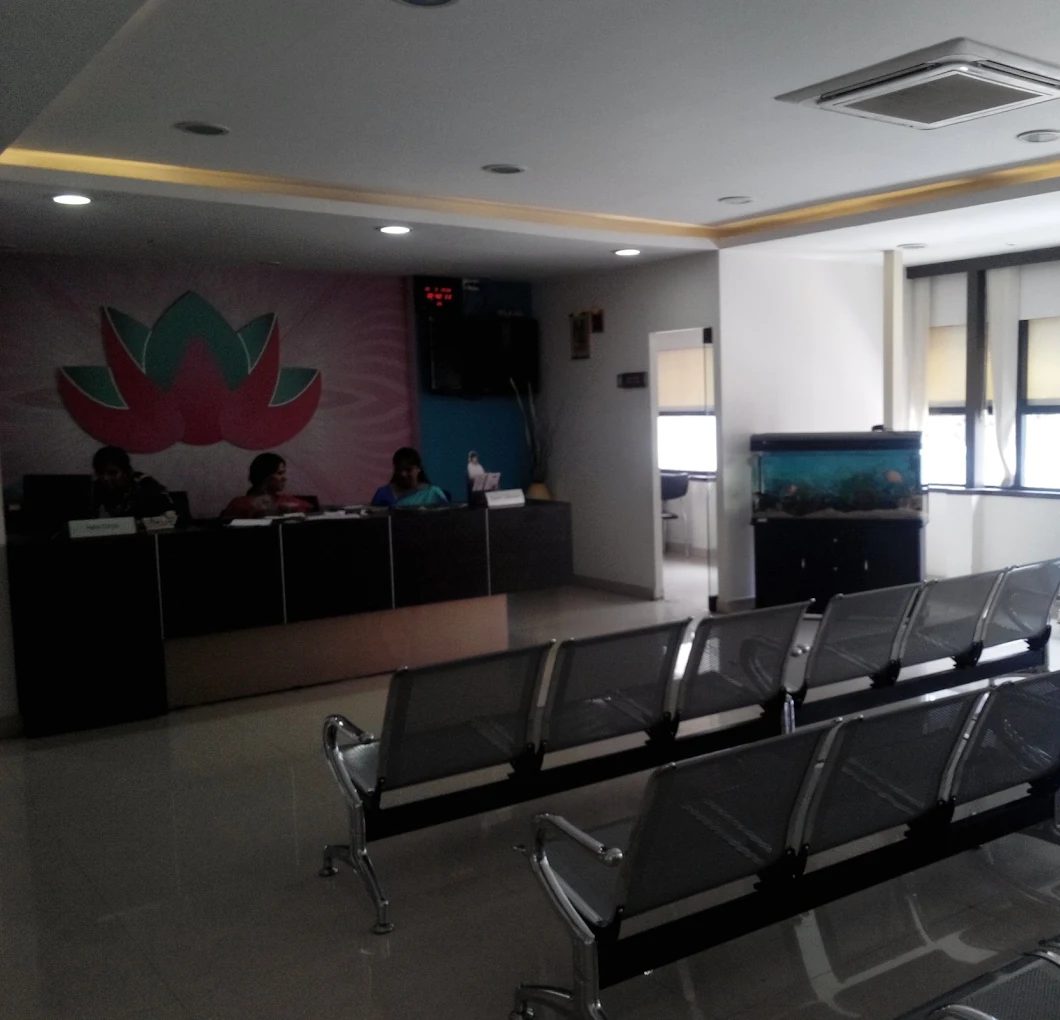 Reception
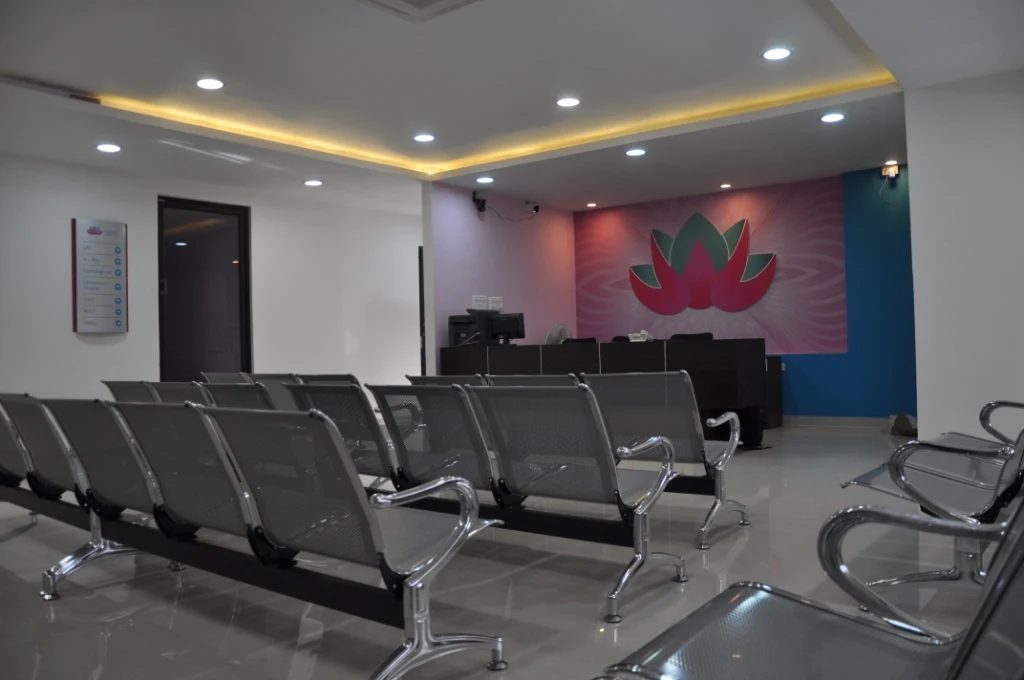 Waiting area
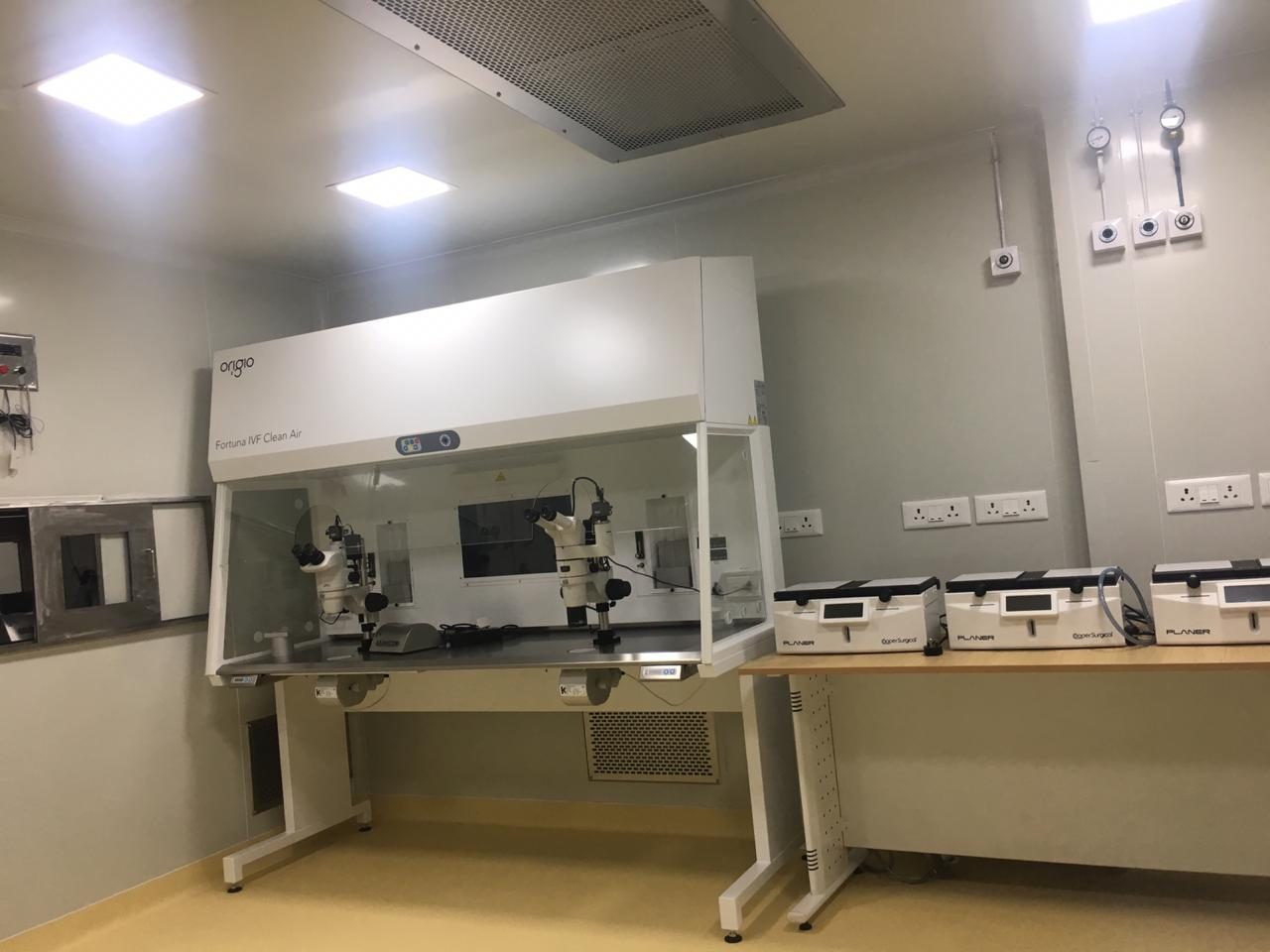 IVF lab
This page explains each test in general terms so you know what to expect. It is not medical advice: your doctor decides which tests you need and what your results mean. Reference ranges differ between laboratories. Updated 4 November 2026.