
LDL/HDL cholesterol ratio
Quick answer: The LDL/HDL ratio compares your bad (LDL) cholesterol with your good (HDL) cholesterol. It is reported alongside a lipid profile as one way to summarise heart disease risk.
- SampleBlood
- TakesAbout 5 minutes for the blood draw
- Before the testYou may be asked to fast for about 10 to 12 hours, as for a lipid profile; follow the lab's instructions.
How the test is done
- 1Blood is taken from a vein in your arm, as for a lipid profile
- 2The lab measures your cholesterol levels in the sample
- 3The LDL value is divided by the HDL value to give the ratio
- 4The ratio is printed on your report next to the other lipid results
What your results can mean
Reading your report
Normal ranges differ between labs, so compare your result with the range printed on your report and discuss it with your doctor.
If the result is outside the usual range
A higher ratio can mean more bad cholesterol relative to good cholesterol, which can be linked with a higher heart disease risk. A lower ratio is generally more favourable, but doctors judge risk using your full lipid results and other factors.
Who usually has this test
Adults having a lipid profile, especially those being assessed for heart disease risk.
Risks and aftercare
The only after-effect is a possible small bruise from the blood draw.
Names and options
Also called: LDL HDL ratio, cholesterol ratio
Listed by the hospital as
- LDL/HDL
Questions about this test
Is the LDL/HDL ratio more useful than LDL alone?
The ratio gives a quick summary, but most current guidelines base treatment decisions mainly on LDL and non-HDL cholesterol, along with your age, blood pressure, diabetes and smoking. Your doctor uses the ratio as one part of the picture.
Can I improve my LDL/HDL ratio?
Yes. Lowering LDL through diet and activity and raising HDL through exercise, weight loss and not smoking can both improve the ratio. Your doctor may also suggest medicine if your overall risk is high.
Is the LDL/HDL ratio a separate blood test?
No. It is calculated from the LDL and HDL values measured in the same blood sample as your lipid profile, so no extra sample is needed.
Related tests
Tamara Hospital & IVF Centre, Rajajinagar
34/3, 10th Cross Road, opp. Vardhaka Sardar Patel School, 1st N Block, 2nd Stage, Rajajinagar, Bengaluru 560010
The hospital is open 24 hours. Call before you come to check the timing for your scan or sample collection.
Get directions ↗IVF Pulse fertility care at Tamara Hospital →
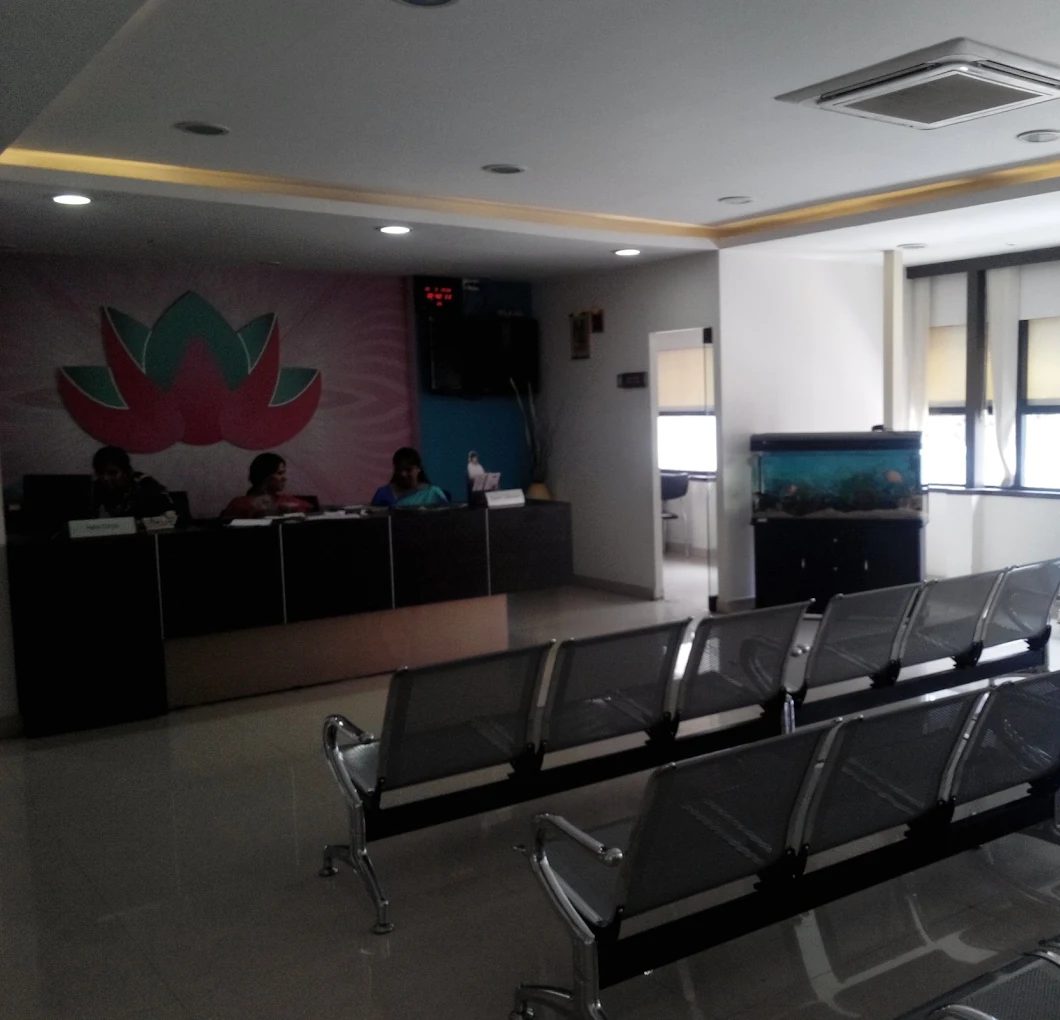 Reception
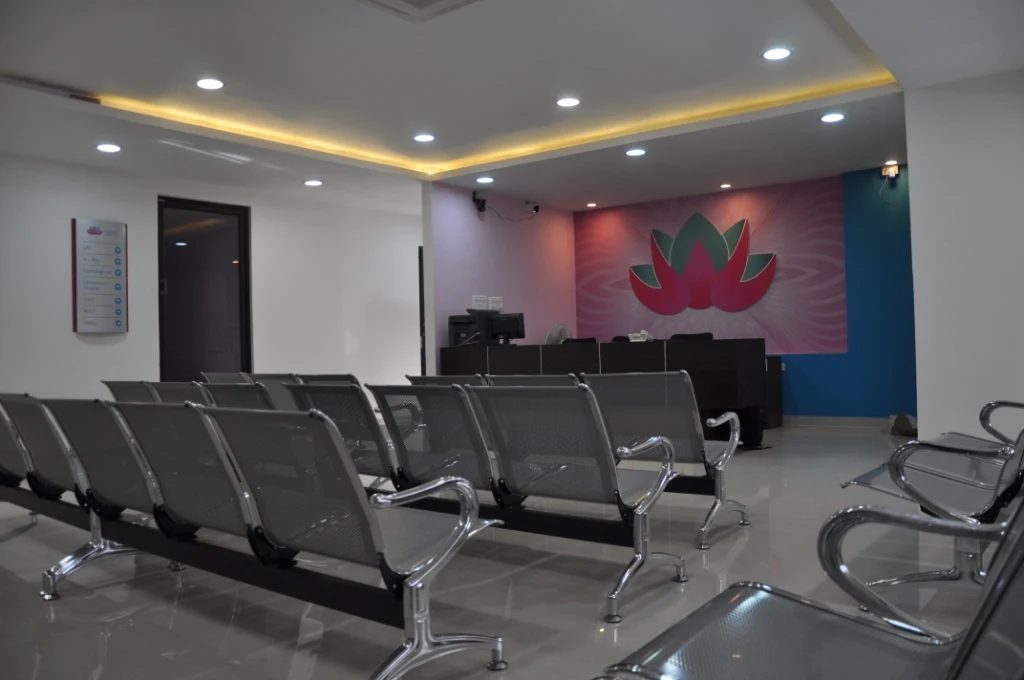 Waiting area
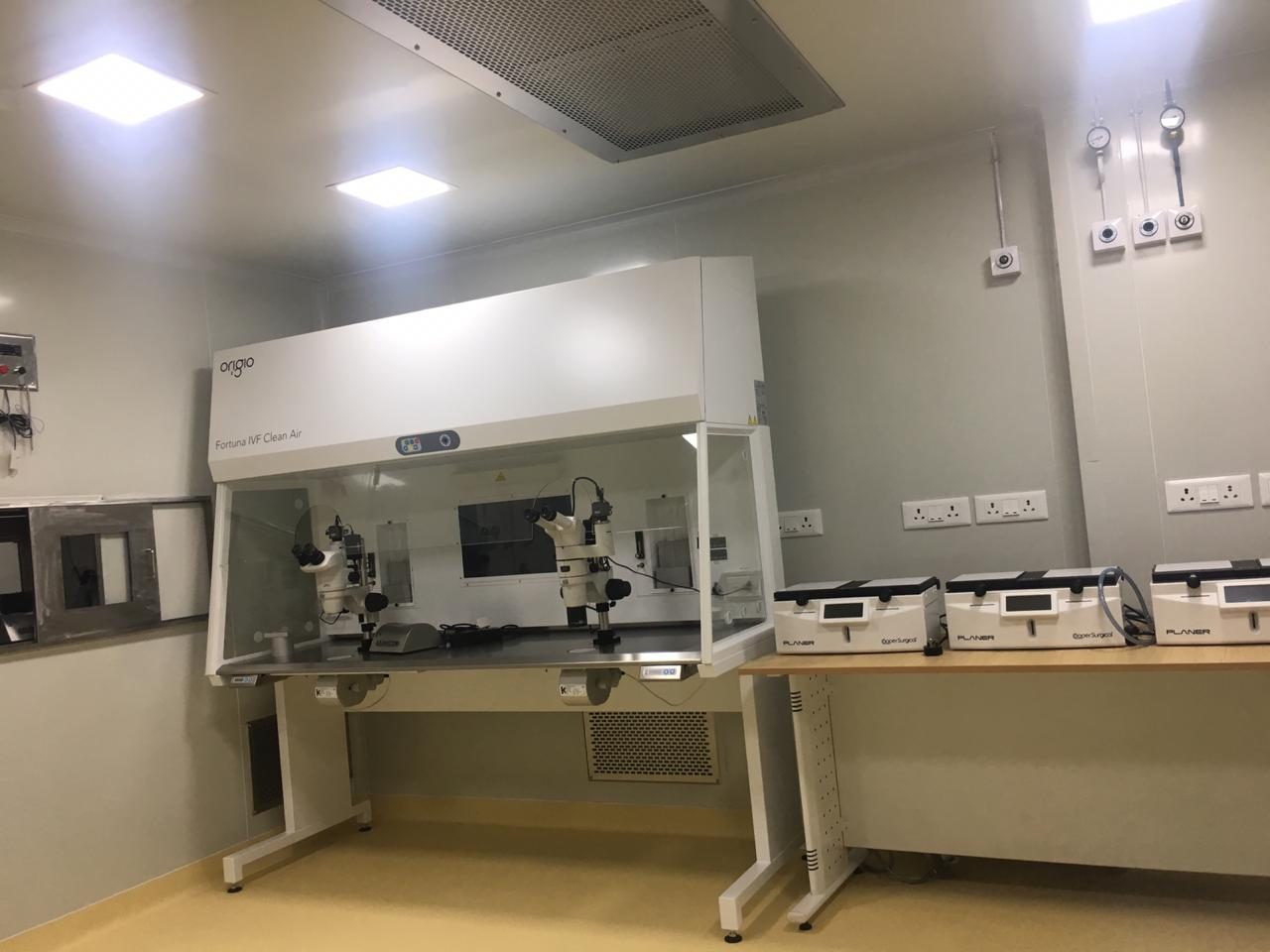 IVF lab
This page explains each test in general terms so you know what to expect. It is not medical advice: your doctor decides which tests you need and what your results mean. Reference ranges differ between laboratories. Updated 4 November 2026.