
Karyotyping (chromosomal analysis)
Quick answer: Karyotyping looks at the number and structure of your chromosomes, usually from white blood cells grown in the lab. It is ordered for repeated miscarriages, infertility, very low or absent sperm count, early menopause or suspected genetic conditions.
- SampleBlood
- TakesAbout 5 minutes for each person's blood draw
- Before the testNo special preparation is usually needed.
- In fertility careBoth partners are often tested after repeated miscarriages, and men with very low sperm counts may be tested before IVF or ICSI.
How the test is done
- 1A small tube of blood is taken, usually into a green-top heparin tube
- 2Both partners are often tested at the same visit
- 3The lab grows the blood cells and stains their chromosomes
- 4A specialist arranges the chromosomes in pairs and checks each one
What your results can mean
Reading your report
Most results are normal; if a change such as a balanced translocation is found, a genetic counsellor or your doctor will explain your options.
If the result is outside the usual range
A karyotype can show changes such as Turner syndrome, Klinefelter syndrome or a balanced translocation that may affect fertility or pregnancy. A normal karyotype does not rule out smaller genetic changes.
Who usually has this test
Couples with two or more miscarriages, women with early loss of ovarian function, and men with very low or absent sperm.
Risks and aftercare
You may have a small bruise; genetic counselling is advised if a change is found.
Names and options
Also called: karyotype test, chromosome test, couple karyotyping, cytogenetics, karyotype, karyotyping
Listed by the hospital as
- CHROMASOME ANALYSIS
- KARYOTYPING (CHROMOSOMAL ANALYSIS)
Where this test fits in fertility care
- 1Fertility work-up
- 2Screening before IVF or IUI
- 3During treatment
- 4After embryo transfer
- 5Pregnancy check-ups
- 6If treatment has not workedThis test
The usual order. See every test at each stage →
Questions about this test
Why do both partners need karyotyping after repeated miscarriages?
In a small number of couples, one partner carries a balanced rearrangement of their chromosomes. This causes no health problems for them but can lead to miscarriage. Testing both partners shows whether this is a cause, and helps doctors discuss options.
How long does a karyotype result take?
The cells must be grown in the lab before the chromosomes can be studied, so results usually take longer than routine blood tests, often a few weeks. Ask the lab for an expected date when you give the sample.
What happens if a chromosome change is found?
You will usually be offered genetic counselling to explain the result and your options. These can include testing embryos during IVF or testing during pregnancy.
Related tests
Tamara Hospital & IVF Centre, Rajajinagar
34/3, 10th Cross Road, opp. Vardhaka Sardar Patel School, 1st N Block, 2nd Stage, Rajajinagar, Bengaluru 560010
The hospital is open 24 hours. Call before you come to check the timing for your scan or sample collection.
Get directions ↗IVF Pulse fertility care at Tamara Hospital →
 Reception
 Waiting area
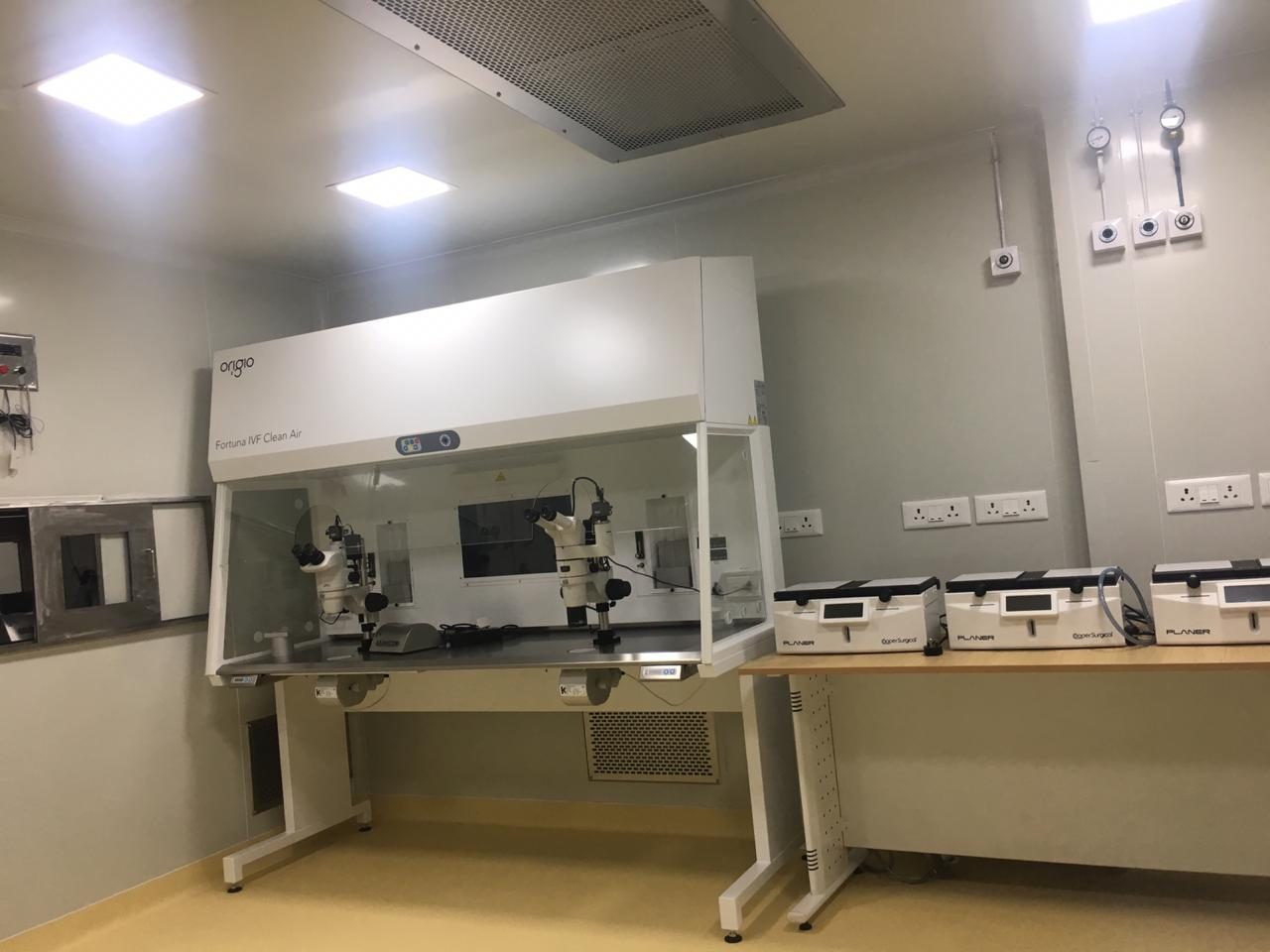 IVF lab
This page explains each test in general terms so you know what to expect. It is not medical advice: your doctor decides which tests you need and what your results mean. Reference ranges differ between laboratories. Updated 4 November 2026.