
Interleukin-6 (IL-6) blood test
Quick answer: An IL-6 test measures interleukin-6, a messenger protein released during inflammation and infection. Doctors may order it in serious infections or inflammatory conditions to help judge severity or guide treatment.
- SampleBlood
- TakesAbout 5 minutes
- Before the testNo special preparation is usually needed.
How the test is done
- 1You sit and the skin over a vein is cleaned
- 2A needle draws blood into a tube
- 3The sample is sent quickly to the lab
- 4The lab measures IL-6
What your results can mean
Reading your report
IL-6 is read with your symptoms and other tests, so discuss your result with your doctor.
If the result is outside the usual range
A high level can be seen with serious infections such as sepsis, severe inflammation, injury or after surgery. It does not show the cause, so it is read with other tests.
Who usually has this test
Very ill people with serious infection or inflammation, usually in hospital, and some people being considered for certain treatments.
Risks and aftercare
If you are unwell, follow your care team's advice; the blood test only risks minor bruising.
Names and options
Also called: IL-6, IL6
Listed by the hospital as
- INTERLEUKIN -6
Questions about this test
How is IL-6 different from CRP?
IL-6 is a messenger that tells the liver to make CRP. IL-6 rises earlier, while CRP rises over the following hours.
Why might IL-6 guide treatment?
Some medicines block IL-6. A high level may help doctors decide whether these treatments could help.
Is IL-6 a routine test?
No. It is mostly used in hospitals for serious illness.
Related tests
Tamara Hospital & IVF Centre, Rajajinagar
34/3, 10th Cross Road, opp. Vardhaka Sardar Patel School, 1st N Block, 2nd Stage, Rajajinagar, Bengaluru 560010
The hospital is open 24 hours. Call before you come to check the timing for your scan or sample collection.
Get directions ↗IVF Pulse fertility care at Tamara Hospital →
 Reception
 Waiting area
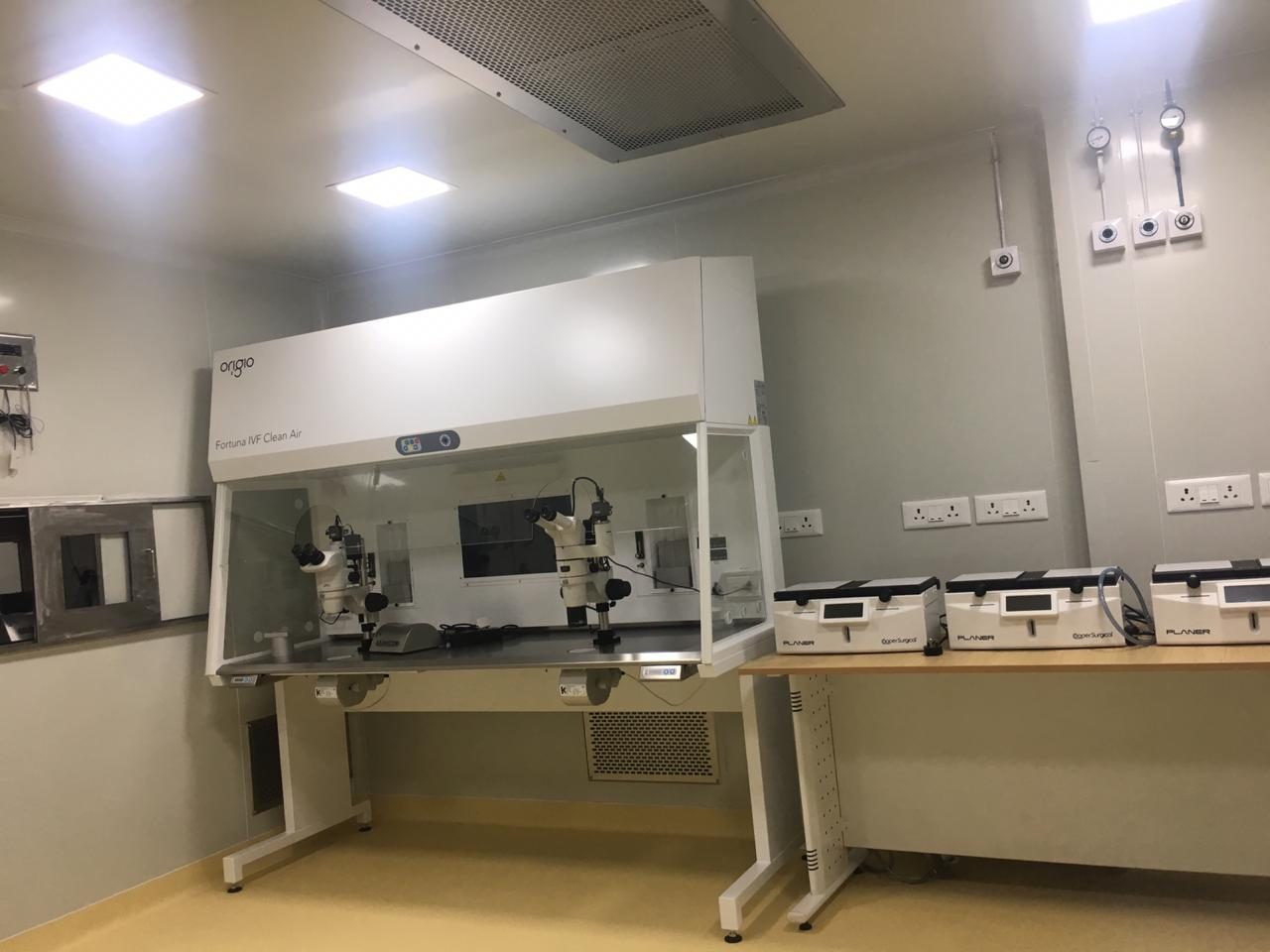 IVF lab
This page explains each test in general terms so you know what to expect. It is not medical advice: your doctor decides which tests you need and what your results mean. Reference ranges differ between laboratories. Updated 4 November 2026.