
High-sensitivity CRP (hs-CRP) blood test
Quick answer: An hs-CRP test measures very low levels of C-reactive protein, a marker of inflammation. Doctors use it, along with cholesterol and other factors, to help estimate heart disease risk in people who are otherwise well.
- SampleBlood
- TakesAbout 5 minutes
- Before the testNo special preparation is usually needed.
How the test is done
- 1You come when you are well, not during a cold or infection
- 2A needle draws blood from a vein
- 3The lab measures very low levels of CRP
- 4Your doctor may repeat it to confirm the result
What your results can mean
Reading your report
A recent infection or injury can raise the result, so discuss it with your doctor.
If the result is outside the usual range
A higher level in a well person can be linked with a higher chance of heart disease. Infection, injury or inflammation can raise it a lot and make it unreliable for heart risk.
Who usually has this test
Adults whose heart disease risk is uncertain after standard checks, often alongside a cholesterol test.
Risks and aftercare
There is no aftercare beyond pressing on the needle site.
Names and options
Also called: hs-CRP, hsCRP, cardiac CRP
Listed by the hospital as
- HIGH SENSITIVE CRP
Questions about this test
Should I have an hs-CRP test if I have a cold?
It is better to wait until you are well. Even a mild infection can raise the result.
Is hs-CRP used on its own to predict heart disease?
No. It is one factor among cholesterol, blood pressure, smoking, diabetes and family history.
Why might my doctor repeat the hs-CRP test?
Levels can vary from day to day. An average of two tests taken a few weeks apart gives a steadier picture.
Related tests
Tamara Hospital & IVF Centre, Rajajinagar
34/3, 10th Cross Road, opp. Vardhaka Sardar Patel School, 1st N Block, 2nd Stage, Rajajinagar, Bengaluru 560010
The hospital is open 24 hours. Call before you come to check the timing for your scan or sample collection.
Get directions ↗IVF Pulse fertility care at Tamara Hospital →
 Reception
 Waiting area
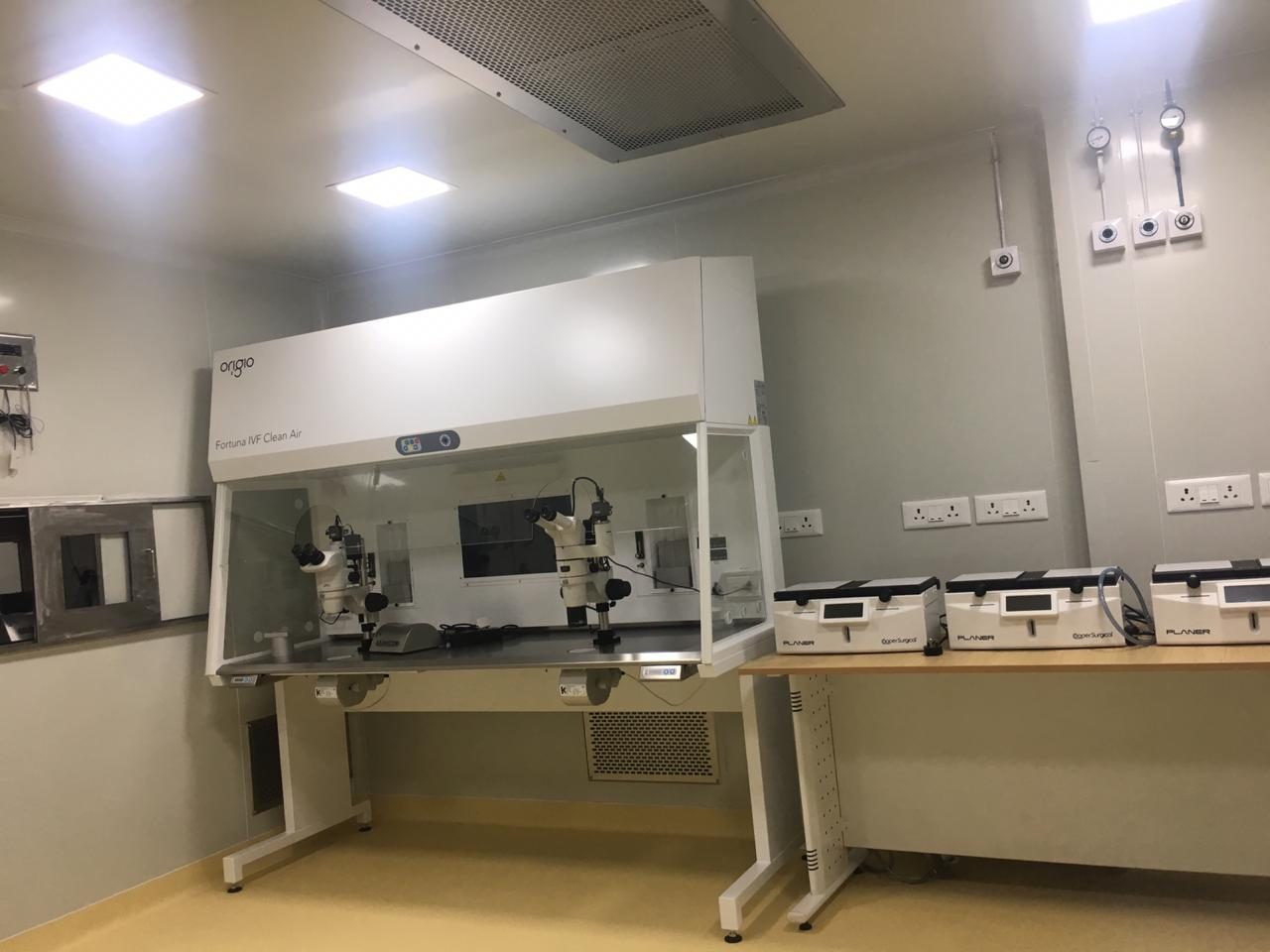 IVF lab
This page explains each test in general terms so you know what to expect. It is not medical advice: your doctor decides which tests you need and what your results mean. Reference ranges differ between laboratories. Updated 4 November 2026.