
HSG (hysterosalpingography) X-ray
Quick answer: An HSG is an X-ray test in which a dye is passed gently through the cervix to show the inside of the uterus and whether the fallopian tubes are open. It is a common test in a fertility work-up, especially when tubes may be blocked after infection, surgery or endometriosis.
- SampleImaging (no sample)
- TakesAbout 15 to 30 minutes in the room, with the dye part taking a few minutes
- Before the testIt is usually booked after your period ends and before ovulation, and you must tell staff if you might be pregnant; follow any instructions you are given about pain relief or antibiotics.
- In fertility careHSG checks whether the fallopian tubes are open, which is needed for natural conception and IUI, and also shows the shape of the uterine cavity.
How the test is done
- 1You lie on the X-ray table on your back with knees bent and apart
- 2A speculum is placed, the cervix is cleaned, and a thin tube is passed into it
- 3Dye is slowly passed through the tube while X-ray pictures are taken on a screen
- 4You may feel period-like cramping as the dye fills the uterus and tubes
- 5The tube is removed and you rest for a few minutes before leaving
What your results can mean
Reading your report
A radiologist reports on the images, and your doctor will explain what the findings mean for you.
If the result is outside the usual range
An HSG can show one or both fallopian tubes blocked or swollen with fluid (hydrosalpinx), or a uterine cavity changed by polyps, fibroids, scarring or an unusual shape. Spasm of a tube can sometimes make an open tube look blocked, so findings may be checked with another test.
Who usually has this test
Women having a fertility work-up, especially before IUI or after pelvic infection, ectopic pregnancy, surgery or suspected endometriosis.
Risks and aftercare
Cramping and light spotting for a day or two are common; contact a doctor for fever, heavy bleeding or worsening pain, and the X-ray dose is low but it must be done when you are not pregnant.
Names and options
Also called: HSG, hysterosalpingogram, tube test, fallopian tube X-ray, tubal patency test
Listed by the hospital as
- HSG (HYSTERO-SALPINGOGRAPHY) DIGITAL X-RAY
Where this test fits in fertility care
- 1Fertility work-upThis test
- 2Screening before IVF or IUI
- 3During treatment
- 4After embryo transfer
- 5Pregnancy check-ups
- 6If treatment has not worked
The usual order. See every test at each stage →
Questions about this test
Is an HSG test painful?
Many women feel cramps, similar to period pain, while the dye goes in, and this usually settles within minutes to a few hours. Your doctor may suggest pain relief before the test.
When in my cycle is an HSG done?
An HSG is usually done after your period has stopped and before you ovulate, often around day 6 to 11 of the cycle. This timing lowers the chance of being pregnant during the test.
Can an HSG help me get pregnant?
Some studies suggest pregnancy rates may rise slightly in the months after an HSG, especially with oil-based dye. It is mainly a diagnostic test, though, not a treatment.
Related tests
Tamara Hospital & IVF Centre, Rajajinagar
34/3, 10th Cross Road, opp. Vardhaka Sardar Patel School, 1st N Block, 2nd Stage, Rajajinagar, Bengaluru 560010
The hospital is open 24 hours. Call before you come to check the timing for your scan or sample collection.
Get directions ↗IVF Pulse fertility care at Tamara Hospital →
 Reception
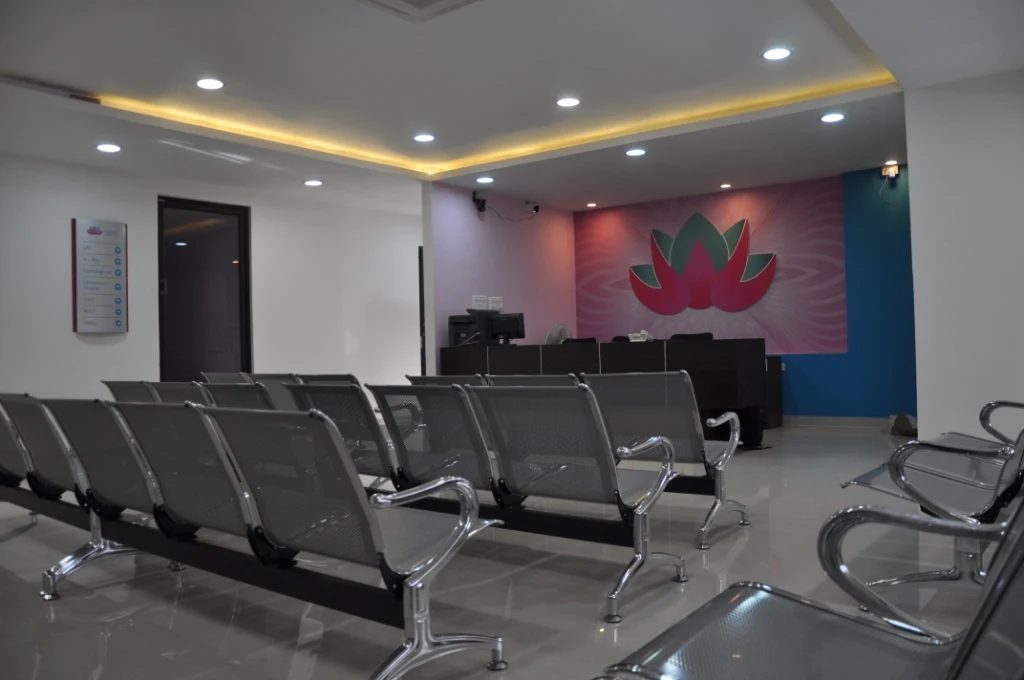 Waiting area
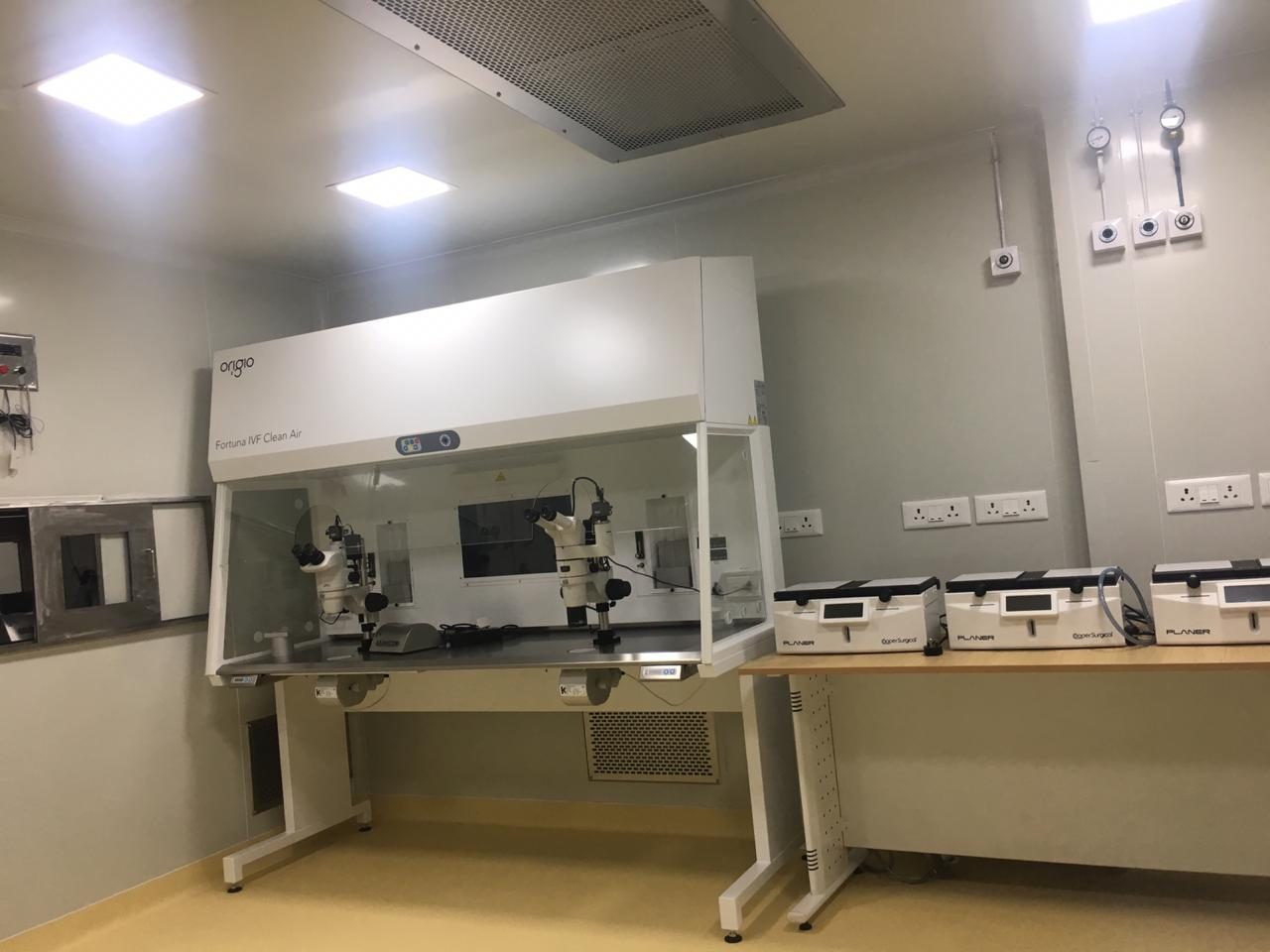 IVF lab
This page explains each test in general terms so you know what to expect. It is not medical advice: your doctor decides which tests you need and what your results mean. Reference ranges differ between laboratories. Updated 4 November 2026.