
Ham test (acid haemolysis test)
Quick answer: The Ham test checks whether your red blood cells break down more easily in slightly acidic conditions. It was used to look for paroxysmal nocturnal haemoglobinuria (PNH), a rare blood disorder; flow cytometry is now preferred.
- SampleBlood
- TakesAbout 5 minutes
- Before the testNo special preparation is usually needed.
How the test is done
- 1You sit and the skin over a vein is cleaned
- 2A needle draws blood into a tube
- 3The lab mixes your red cells with slightly acidified serum
- 4The lab checks whether the red cells break down
What your results can mean
Reading your report
Discuss your result with your doctor.
If the result is outside the usual range
A positive result can point to paroxysmal nocturnal haemoglobinuria (PNH), a rare condition in which red cells break down too easily. Flow cytometry is now preferred to confirm it.
Who usually has this test
People with unexplained red cell breakdown, dark urine in the morning, or blood clots in unusual places.
Risks and aftercare
Bruising is usually the only after-effect.
Names and options
Also called: Ham test, acidified serum test, PNH test
Listed by the hospital as
- HAMS TEST, EDTA BLOOD
Questions about this test
What is PNH?
Paroxysmal nocturnal haemoglobinuria is a rare blood disorder in which red cells are broken down by the immune system. It can cause anaemia, dark urine and clots.
Why is flow cytometry preferred over the Ham test?
Flow cytometry is more sensitive and can measure how many cells are affected. The Ham test is now used less often.
Why might the urine be dark in the morning?
In PNH, red cells may break down more overnight, releasing haemoglobin into urine.
Related tests
Tamara Hospital & IVF Centre, Rajajinagar
34/3, 10th Cross Road, opp. Vardhaka Sardar Patel School, 1st N Block, 2nd Stage, Rajajinagar, Bengaluru 560010
The hospital is open 24 hours. Call before you come to check the timing for your scan or sample collection.
Get directions ↗IVF Pulse fertility care at Tamara Hospital →
 Reception
 Waiting area
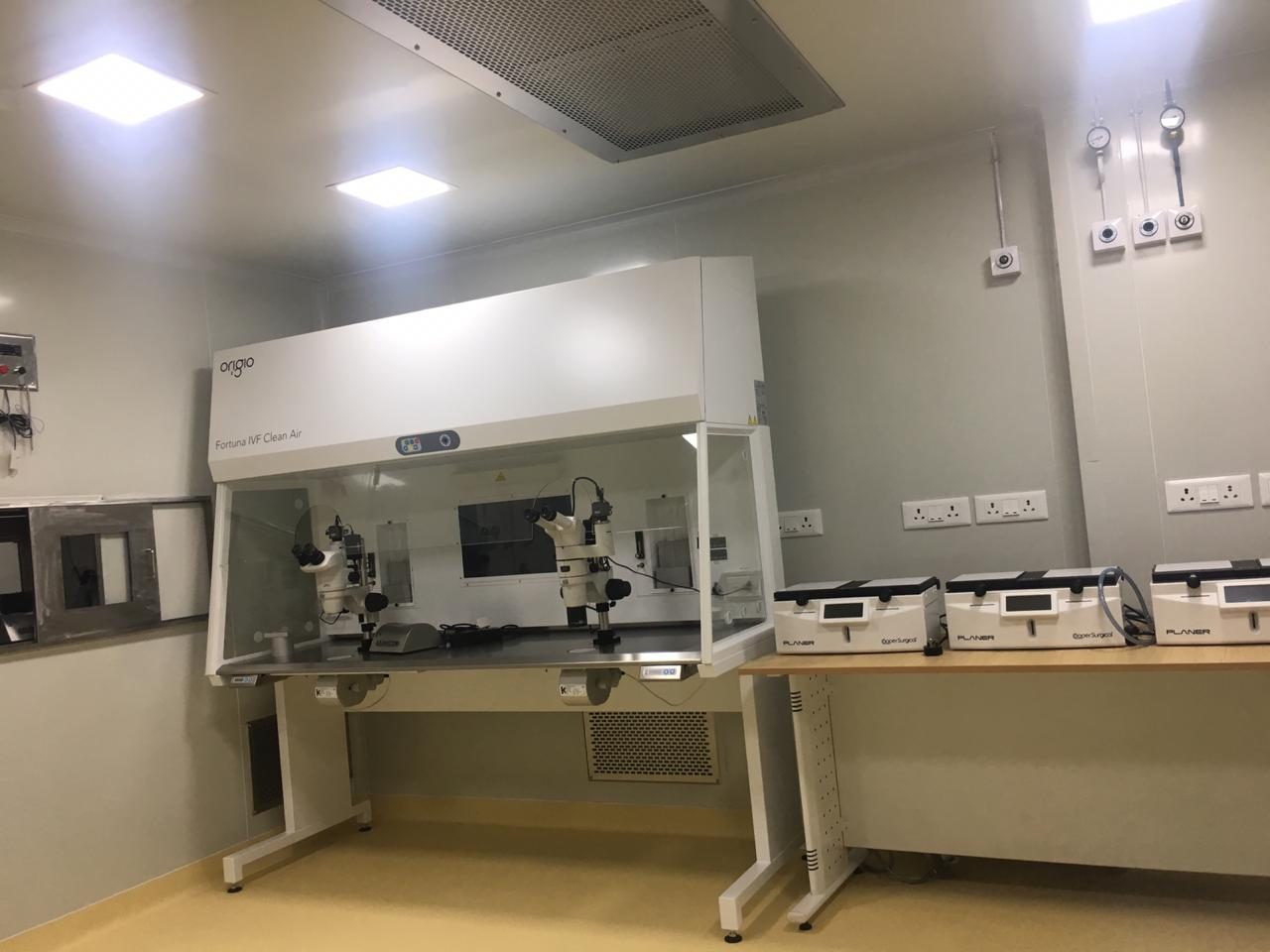 IVF lab
This page explains each test in general terms so you know what to expect. It is not medical advice: your doctor decides which tests you need and what your results mean. Reference ranges differ between laboratories. Updated 4 November 2026.