
Cold agglutinin test
Quick answer: This test checks for antibodies that make red blood cells clump together at cold temperatures. Doctors order it to look into a type of anaemia caused by these antibodies, sometimes linked to infections such as mycoplasma.
- SampleBlood
- TakesAbout 5 minutes
- Before the testNo special preparation is usually needed; the sample must be kept warm.
How the test is done
- 1A needle draws blood from a vein in your arm
- 2The tube is kept warm, at body temperature, after collection
- 3The sample is taken to the lab without cooling
- 4The lab checks for clumping at cold temperatures
What your results can mean
Reading your report
Normal ranges differ between labs and by age and sex, so discuss your result with your doctor.
If the result is outside the usual range
A high level can be seen with cold agglutinin disease, some infections such as mycoplasma pneumonia or glandular fever, and some blood cancers. These antibodies can cause red cells to break down in the cold.
Who usually has this test
People with anaemia that worsens in the cold, fingers or toes that turn blue in the cold, or certain chest infections.
Risks and aftercare
Keep warm if you are prone to cold-related symptoms; the blood test only risks a small bruise.
Names and options
Also called: cold agglutinins
Listed by the hospital as
- COLD AGGLUTININ, SERUM
Questions about this test
Why is the sample kept warm?
If the sample cools, the antibodies can stick to red cells and be lost before testing. Keeping it warm helps prevent a falsely low result.
Can a chest infection cause cold agglutinins?
Yes. Mycoplasma pneumonia is a well-known cause. The antibodies usually fade after the infection settles.
What symptoms can cold agglutinins cause?
They can cause tiredness from anaemia, dark urine, and numb or blue fingers and toes in the cold.
Related tests
Tamara Hospital & IVF Centre, Rajajinagar
34/3, 10th Cross Road, opp. Vardhaka Sardar Patel School, 1st N Block, 2nd Stage, Rajajinagar, Bengaluru 560010
The hospital is open 24 hours. Call before you come to check the timing for your scan or sample collection.
Get directions ↗IVF Pulse fertility care at Tamara Hospital →
 Reception
 Waiting area
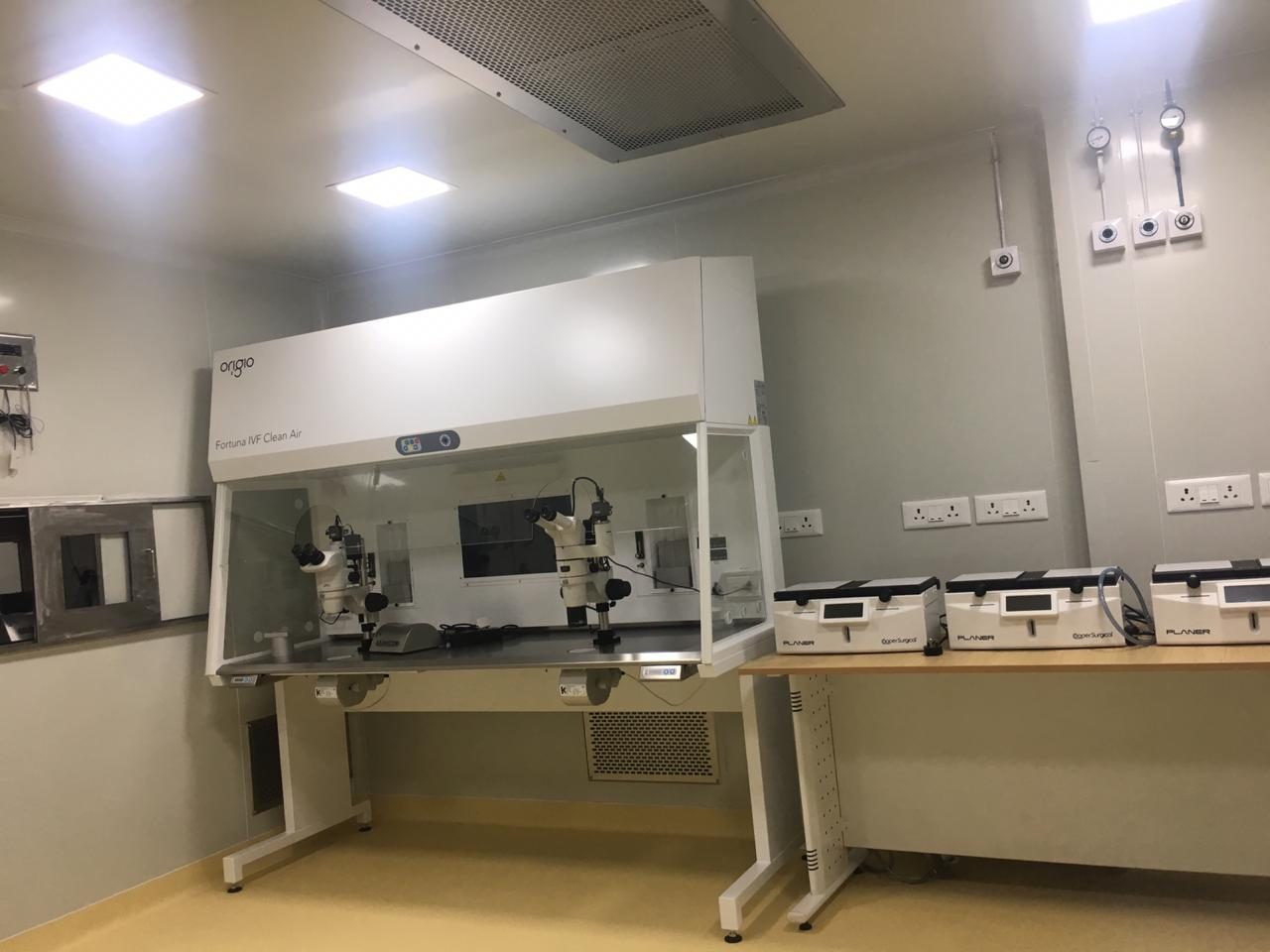 IVF lab
This page explains each test in general terms so you know what to expect. It is not medical advice: your doctor decides which tests you need and what your results mean. Reference ranges differ between laboratories. Updated 4 November 2026.